

You've been there—the bite is on, but your legs are numb before you even reach your first spot. Standard fishing bibs bunch behind your knees, trap condensation against your base layers, or simply don't fit the seated position you're locked into for hours. Finding insulated bibs that actually work for kayak anglers means balancing warmth against mobility, waterproofing against breathability, and bulk against the tight confines of a kayak cockpit.
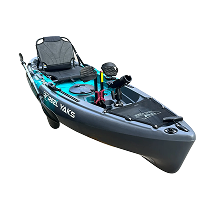
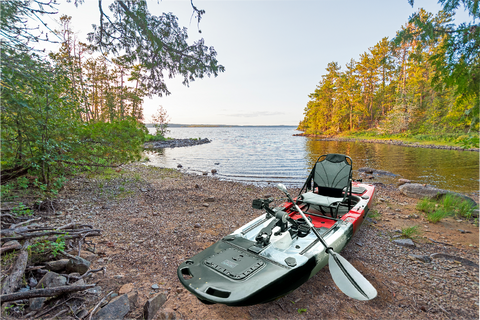
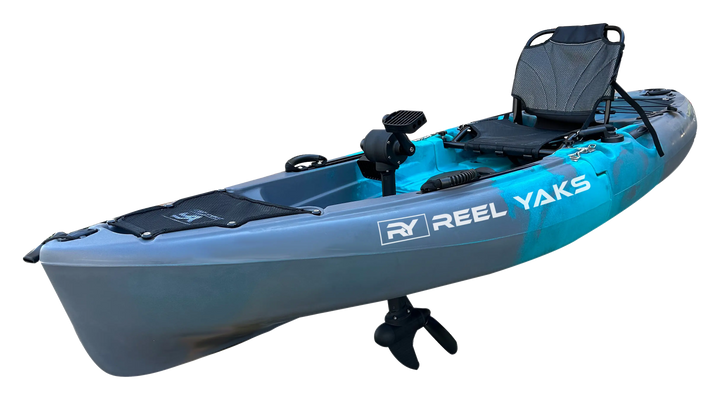
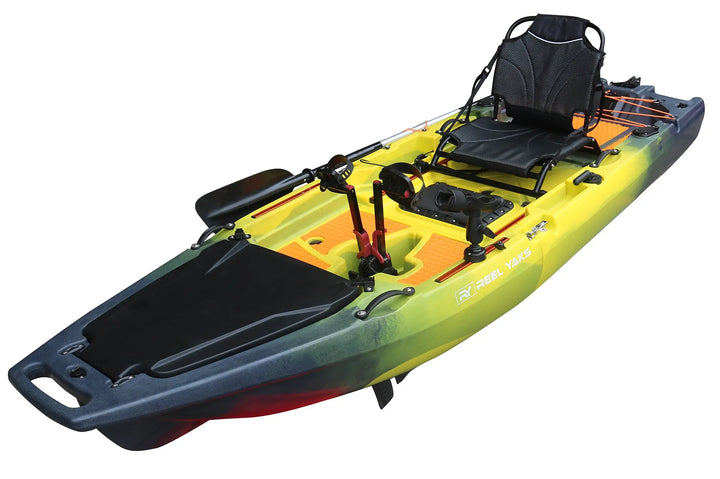
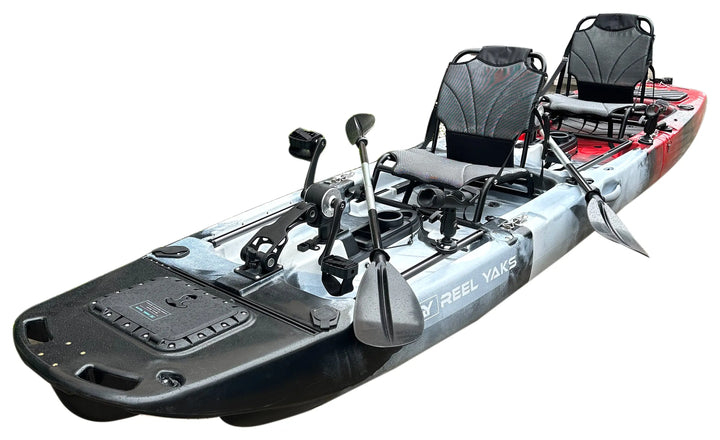
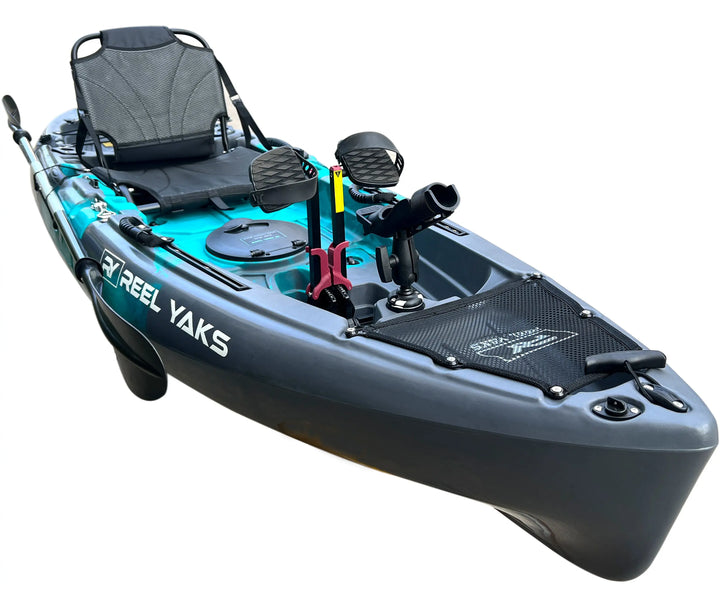
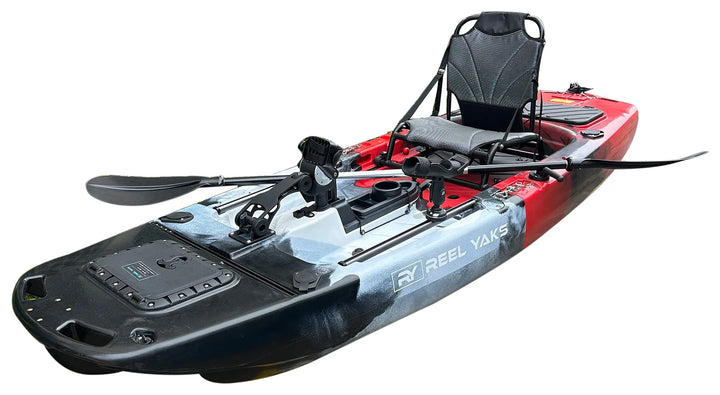
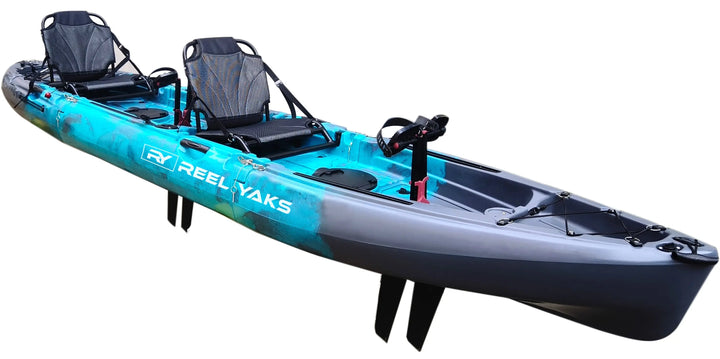
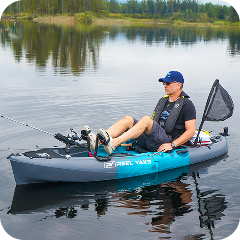
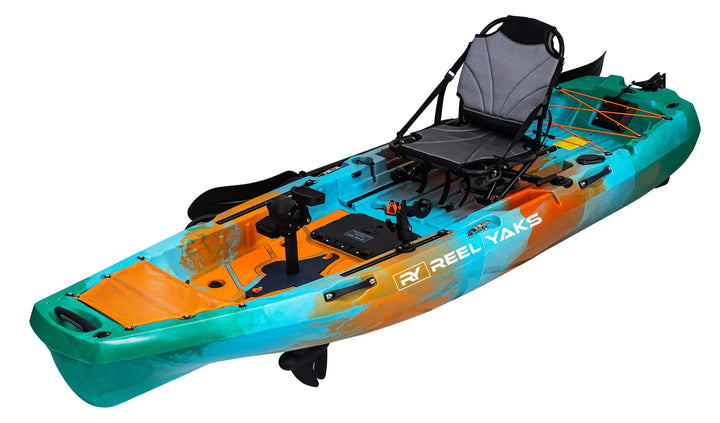
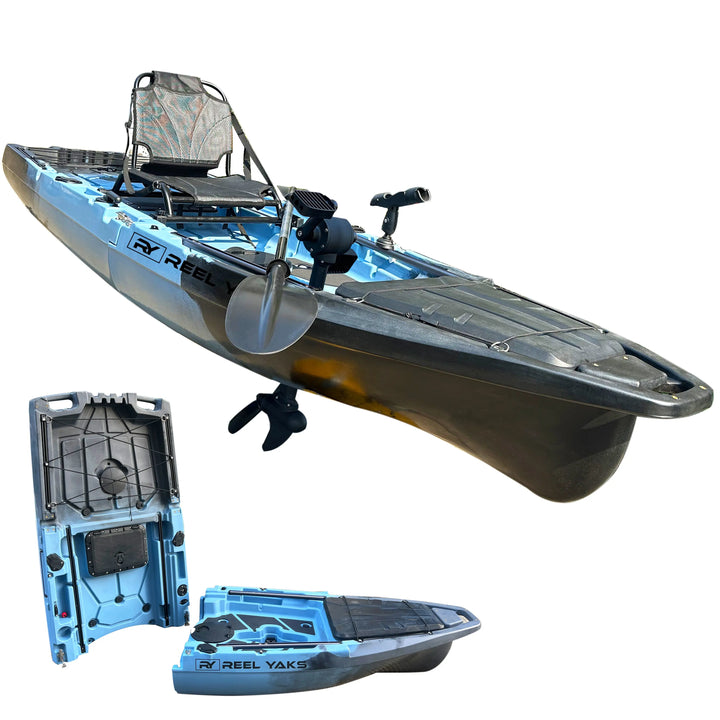
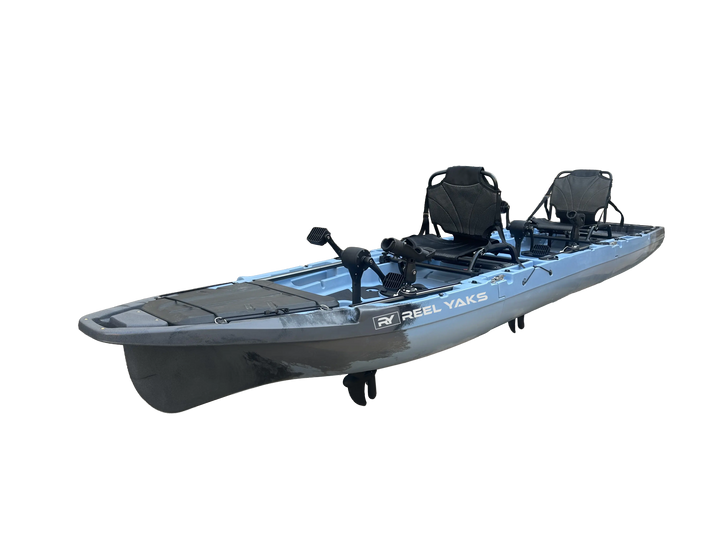
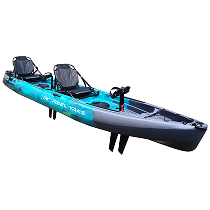
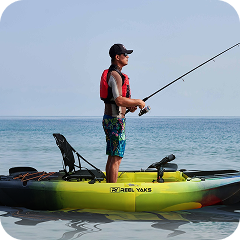
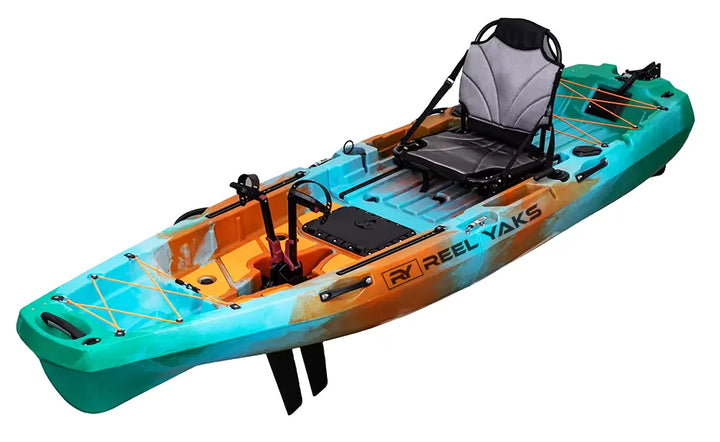
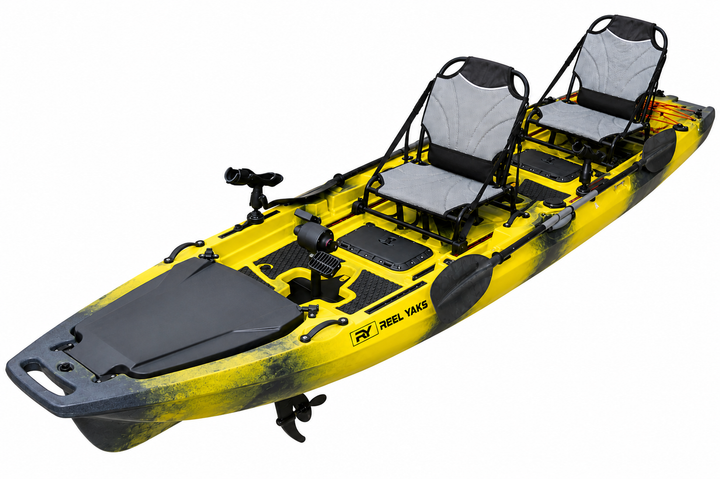
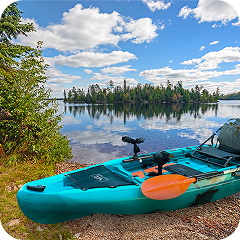
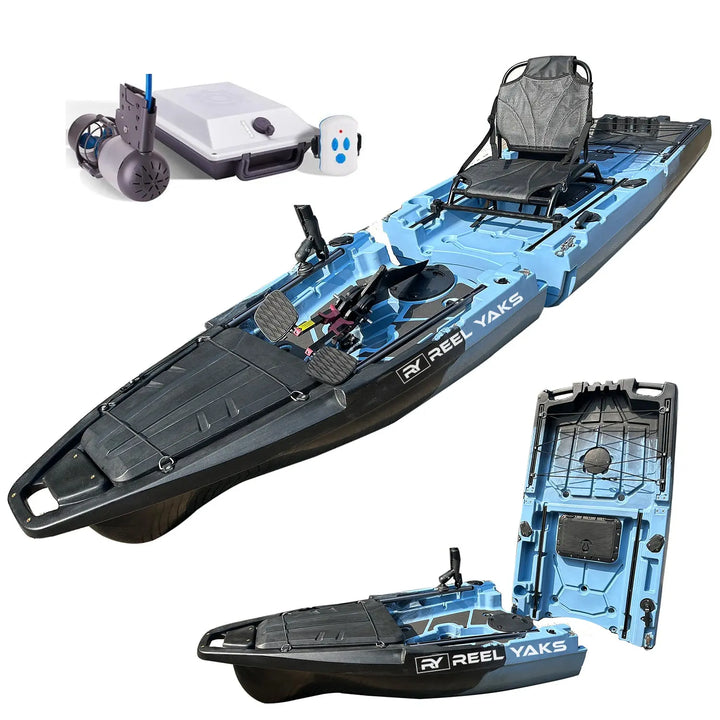
We spent three months testing five leading insulated bib systems across conditions ranging from late-fall drizzle to hard-freeze mornings on northern lakes. Every pair got real seat time in kayaks—including extended sessions in our Reel Yaks modular models—to evaluate how they handle the unique demands of seated paddling and stand-up casting. Here's what actually works when you're spending 4-8 hours in a fishing kayak.
What Makes Kayak-Specific Bibs Different
Traditional chest waders were designed for wade fishing—standing in rivers, walking gravel bars, moving constantly. Kayak fishing flips that script entirely. You're seated 80% of the time with your knees bent at 90 degrees, creating pressure points and fabric bunching that standard bibs weren't built to handle. You're also generating less body heat than a wading angler covering miles of stream.
The best bibs for kayak anglers address three core challenges. First, the seated position: fabric needs to flex at the knees and hips without binding or creating pressure points against the seat. Second, the moisture equation: you need insulation that breathes well enough to prevent sweat buildup during paddling efforts, but seals tight enough to block spray and rain. Third, the layering puzzle: bulky insulation fights you in tight cockpits, but inadequate warmth ends your day early.
We evaluated each bib system on warmth-to-bulk ratio, ease of entry and exit (critical when nature calls and you're beached on a remote shore), durability of high-wear zones, and how well they performed across the full range of kayak fishing movements—paddling, standing to cast, kneeling to land fish, and climbing in and out of the boat.
Stormr Strykr Bib: Best Overall for Active Kayak Anglers
The Stormr Strykr justifies its $300 price tag if you fish frequently in conditions below 45°F. The proprietary Nano-Fleece lining provides exceptional warmth without the bulk of traditional neoprene, and the 4-way stretch nylon shell moves with you rather than fighting every motion. After 20+ sessions, this is the bib we reached for most consistently.
The fit is what sets the Strykr apart for kayakers. The articulated knees include a relief panel that eliminates the pressure points we experienced with every other bib in extended seated positions. The suspender system uses a wide, cushioned design that doesn't dig into shoulders during long paddles, and the front zipper extends low enough for easy bathroom breaks without full removal—a surprisingly rare feature that becomes critical on all-day trips.
Warmth proved excellent down to 30°F with mid-weight base layers. Below that, we needed expedition-weight underlayers, but the breathability remained good even during hard paddling into wind. The shell fabric sheds water effectively, though it's not fully waterproof—extended exposure to driving rain will eventually wet through. For kayak fishing, where you're mostly dealing with splash and spray rather than full immersion, this compromise delivers better breathability than fully sealed alternatives.
The durability concern is real. The stretch fabric is more puncture-prone than heavier materials, and we put two small tears in the knee area after brushing against oyster shells during a shallow-water session. Stormr's warranty covered the repair, but anglers fishing rocky shorelines or oyster bars should consider this trade-off between mobility and ruggedness.
Grundens Neptune 509: Built Like a Tank
If your fishing involves serious abuse—launching through surf, grinding against barnacle-covered jetties, or bushwhacking to remote put-ins—the Grundens Neptune 509 laughs off punishment that would shred lighter bibs. The 500-denier Cordura outer shell survived everything we threw at it, including an unplanned slide down a concrete boat ramp that barely scuffed the fabric.
The trade-off is bulk and weight. At 4.2 pounds for a size large, the Neptune is noticeably heavier than the Stormr, and you feel it during long paddle sessions. The insulation is traditional closed-cell foam rather than modern fleece or synthetic fills, which means excellent warmth even when wet, but reduced breathability. We found ourselves overheating during active paddling on days above 40°F, even with minimal base layers.
The seated fit is acceptable but not exceptional. The bibs don't bunch as badly as budget options, but the stiffer fabric creates pressure points behind the knees after 2-3 hours. We solved this partially by sizing up one from our normal size, which improved comfort but created excess material around the waist that needed cinching.
Where the Neptune excels is versatility beyond kayaking. The bombproof construction and true waterproof rating make these equally capable for surf fishing, dock work, or winter boat maintenance. If you need one pair of bibs to handle everything from kayak fishing to working on your trailer in freezing rain, the $275 Neptune is actually a value play. For dedicated kayak fishing only, the mobility compromises make it our second choice behind the Stormr.
Simms ProDry Bib: Premium Breathability
The Simms ProDry Bib brings fly-fishing refinement to the kayak world, with a $450 price tag that reflects the Gore-Tex Pro construction and attention to detail. This is the most breathable bib we tested, eliminating the sweat-soaked base layers that plagued us in other options during high-output paddling.
The four-layer Gore-Tex Pro fabric is completely waterproof while allowing exceptional moisture vapor transfer. During a three-hour paddle into 20-knot headwinds, we stayed dry from both external spray and internal perspiration—the only bib that managed both simultaneously. The integrated gravel guards and reinforced cuff construction show Simms' wader-building expertise, though these features matter less for kayakers than wade fishermen.
The kayak-specific challenges with the ProDry center on fit and warmth. The cut is optimized for standing and wading, which translates to excess fabric bunching in the seated position. The suspenders are narrow and positioned for upright posture, creating shoulder pressure when you're leaning forward to paddle. We added aftermarket suspender pads, which helped but shouldn't be necessary at this price point.
Warmth is adequate to about 35°F with good base layers, but the ProDry uses minimal insulation to maximize breathability. For early and late-season fishing in the 40-55°F range where you're paddling hard and working up heat, this is perfect. For true cold-weather fishing below freezing, you'll need extensive layering underneath, which starts to negate the breathability advantage.
The ProDry makes most sense for anglers who split time between kayak fishing and wade fishing, or those who prioritize breathability over maximum warmth. It's superbly made and will outlast cheaper options, but the fit and warmth compromises keep it from our top recommendation for dedicated kayak use.
Frogg Toggs Pilot II: Best Budget Option
At $140, the Frogg Toggs Pilot II costs less than half what you'll pay for premium options, and it delivers surprising performance if you understand its limitations. This isn't a bib for everyday use or harsh conditions, but for occasional cold-weather kayak trips, it's entirely functional.
The 3.5mm neoprene construction provides decent warmth down to about 40°F with base layers. Below that, the thin neoprene simply doesn't have enough insulating power, and the lack of breathability means you can't add heavy underlayers without overheating during paddling. The fit is basic but acceptable—some bunching behind the knees, but nothing painful during 3-4 hour sessions.
Durability is where budget pricing shows clearly. After 15 outings, we had worn through the neoprene at both knees and developed a slow leak in the left boot seam. Frogg Toggs' customer service replaced the bibs without hassle, but the replacement showed similar wear patterns after another dozen trips. If you fish 5-10 times per season in cold weather, the Pilot II will last a season or two. If you're out 3-4 days per week, plan on annual replacement.
The surprising strength is the boot fit. The integrated boots use a reasonably comfortable sole and fit true to size, which is better than we expected at this price point. The chest pocket is large enough for a phone in a waterproof case and a few essentials, though the zipper feels flimsy.
We recommend the Pilot II for anglers just getting into cold-weather kayak fishing who aren't ready to commit $300+ to specialized bibs, or as a backup pair to keep in your vehicle. The performance is adequate for occasional use, and if the bibs don't work out for kayaking, you're not stuck with a major investment.
NRS Jetstream Bib: Paddlesports Specialist
NRS built the Jetstream specifically for paddlesports, and it shows in details that matter for kayakers. The Eclipse fabric uses a three-layer waterproof/breathable construction with targeted insulation zones—heavier at the seat and knees, lighter at the torso and arms—that match exactly where kayak anglers need warmth versus mobility.
The seated fit is the best we tested. The gusseted knees articulate naturally in the bent position without binding, and the seat panel uses a double-layer construction that provides both insulation and abrasion resistance. After 8-hour sessions in our Reel Yaks Radar, we had zero pressure points or hot spots, which is more than we can say for any other bib.
At $280, the Jetstream sits in the middle of our price range, and the feature set justifies the cost for serious kayak anglers. The relief zipper is the longest we tested, making roadside bathroom stops dramatically easier. The storage includes two fleece-lined hand pockets (genuinely warm), a chest pocket, and a sleeve pocket, all with water-resistant zippers. The suspenders use a women's-specific option with narrower, curved straps—our female test angler called these the most comfortable suspenders she's worn.
The warmth limitation is real but manageable. The Jetstream targets the 35-50°F range, and that's accurate. Below freezing, even with heavy base layers, we were cold during stationary fishing. Above 50°F, we started overheating during active paddling. This narrow comfort range makes the Jetstream ideal if your season focuses on spring and fall fishing, but less versatile than options with broader temperature ranges.
The build quality is commercial-grade—these are bibs designed for raft guides and kayak instructors who use gear daily. After three months of testing, our pair shows zero wear, and the seams and zippers all function like new. NRS backs the Jetstream with a solid warranty and has a reputation for standing behind their products.
Making Your Choice
For most kayak anglers fishing regularly in conditions from 30-50°F, the Stormr Strykr delivers the best combination of warmth, mobility, and seated comfort. The price is significant, but the performance justifies it if you're on the water frequently during cold months.
If you need bibs that pull double duty for kayaking and other cold-weather fishing or marine work, the Grundens Neptune's durability and versatility make it worth the mobility trade-offs. Anglers splitting time between kayak and wade fishing should look at the Simms ProDry for its exceptional breathability and waterproofing, accepting that the fit isn't optimized for seated paddling.
The NRS Jetstream is the kayak-specific specialist that works brilliantly within its temperature range, making it ideal for anglers who know they'll be fishing in the 35-50°F window and want gear purpose-built for seated paddling. And the Frogg Toggs Pilot II remains a sensible entry point for occasional cold-weather kayakers or as an affordable backup.
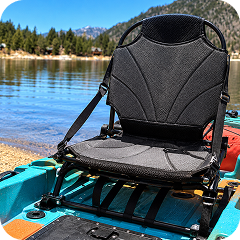
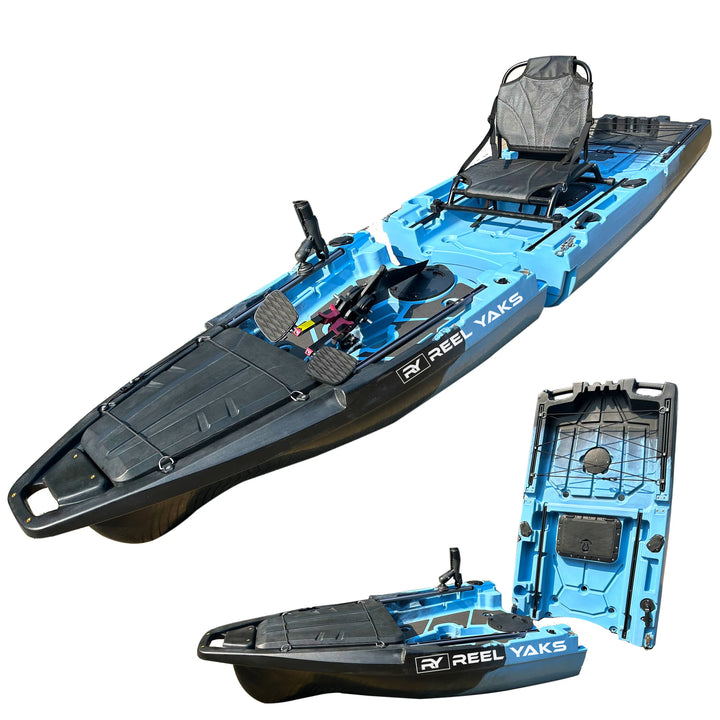
Whichever bibs you choose, remember that proper layering underneath makes as much difference as the bibs themselves. A good base layer and mid-layer system extends the effective range of any bib by 10-15°F. And if you're fishing from a modular kayak like our Reel Yaks models, the extra room in the cockpit compared to traditional kayaks means you can actually wear these bibs comfortably with proper layering—something that's much harder in tight sit-inside designs.
The fishing doesn't stop when temperatures drop. With the right bibs and the right boat, some of the year's best kayak fishing happens when most anglers have put their gear away for the season.
Fish More. Haul Less. No Roof Rack Required.
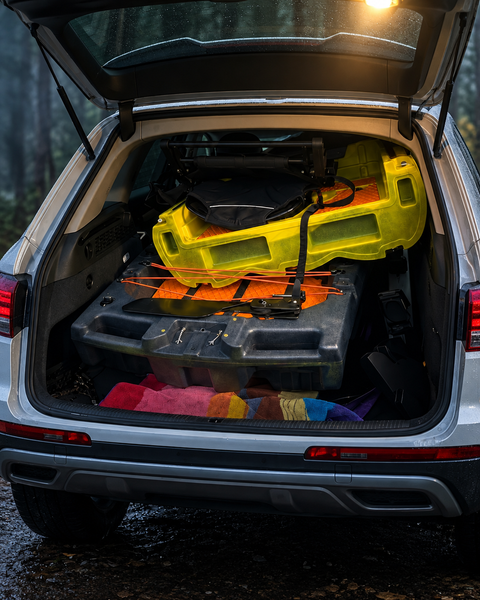
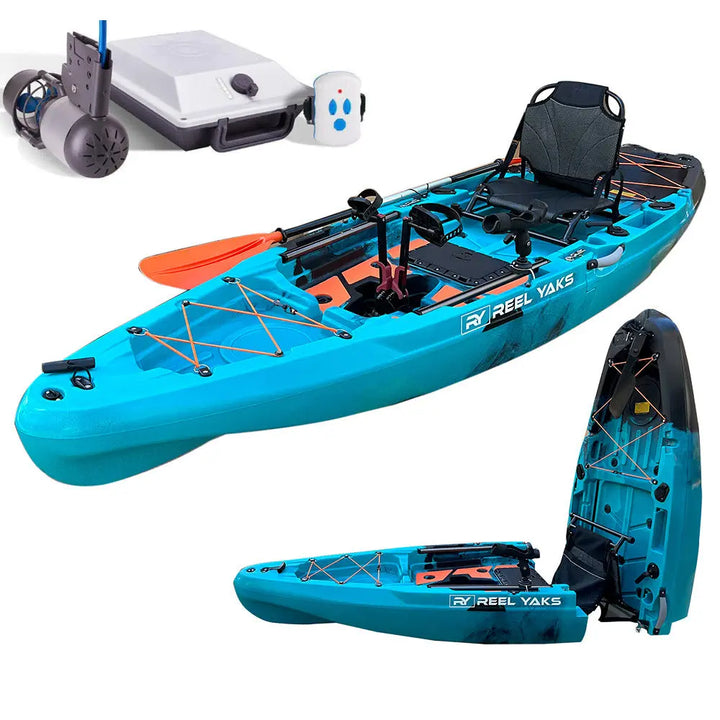
Reel Yaks modular pedal fishing kayaks break into 2–3 compact sections that fit in your car boot, store in your apartment, and assemble in 5 minutes — no roof rack, no garage, no heavy lifting. Browse all Reel Yaks modular fishing kayaks →