

You've paddled out to your winter honey hole before dawn, breath fogging the air, and the moment you try your first cast, a brutal subfreezing wind knocks your lure twenty feet off target. Your line freezes in the guides. Your hands ache. And you're wondering why you didn't just stay home with hot coffee and ice fishing videos.
Casting in subfreezing wind isn't just difficult—it's a completely different skill set than fair-weather fishing. The physics change when air temperatures drop below 32°F and wind chills plummet. Your line stiffens, guides ice over, and wind drag increases exponentially. But thousands of cold-weather kayak anglers fish through these conditions successfully, and the techniques they use can transform frustrating outings into productive sessions.
The key isn't fighting the wind—it's working with it through modified casting techniques that account for frozen line behavior, increased air resistance, and the need to keep your hands functional. Here's how to keep casting effectively when subfreezing wind tries to shut down your fishing.
Why Traditional Casts Fail in Subfreezing Wind
Before diving into solutions, understand what's working against you. In subfreezing conditions, monofilament and fluorocarbon lines lose flexibility, creating memory coils that catch wind like tiny sails. Each coil adds drag, and in strong wind, that drag compounds into significant distance loss and accuracy problems.
Ice formation in your rod guides creates friction points that further rob casting distance. Even a thin ice ring inside your tip-top guide can reduce your casting range by 30-40%. The standard overhead cast—which relies on a high, looping trajectory—maximizes the time your line spends exposed to crosswinds, giving the wind maximum opportunity to push your lure off course.
Add in the fact that you're likely wearing gloves or mittens that reduce grip sensitivity, and your hands are cold enough to affect fine motor control, and you've got a perfect storm of casting challenges. Traditional casting techniques simply weren't designed for these variables.
The Underhand Drift Cast: Your Primary Cold-Wind Technique
The underhand drift cast keeps your line low to the water where wind speed is reduced by surface friction. Instead of launching your lure in a high arc, you're essentially skipping it out in a flat trajectory that stays beneath the worst of the wind.
Start with your rod tip near the water surface, pointing directly at your target. With your lure hanging 12-18 inches below the tip, use a smooth, accelerating sweep that stays parallel to the water. Your rod should never rise more than 45 degrees above horizontal. Release the line when your rod tip is pointing exactly where you want the lure to go.
The key word is "drift"—you're not muscling the cast. Let the rod load progressively during the sweep, and use the lure's momentum to pull line off the reel. This technique works best with lures weighing 1/4 ounce or heavier, which we'll discuss in detail below.
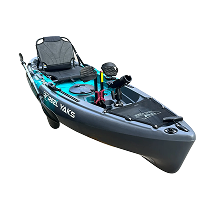
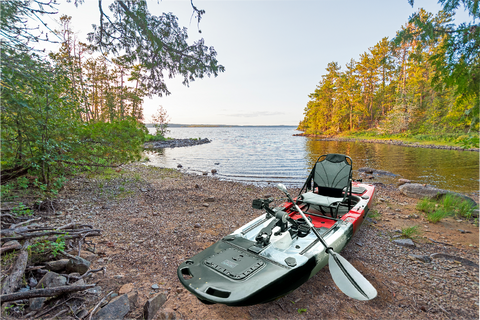
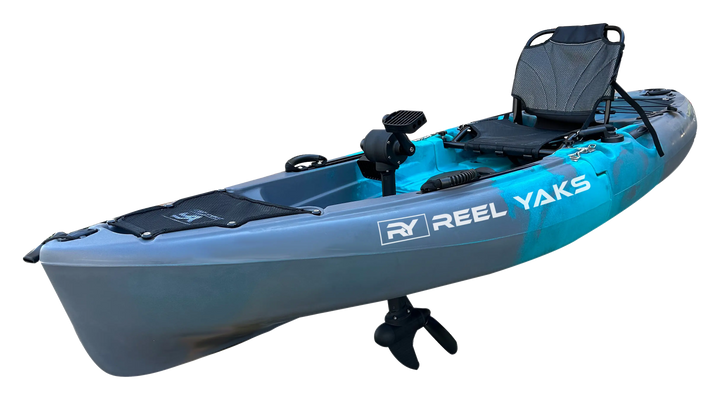
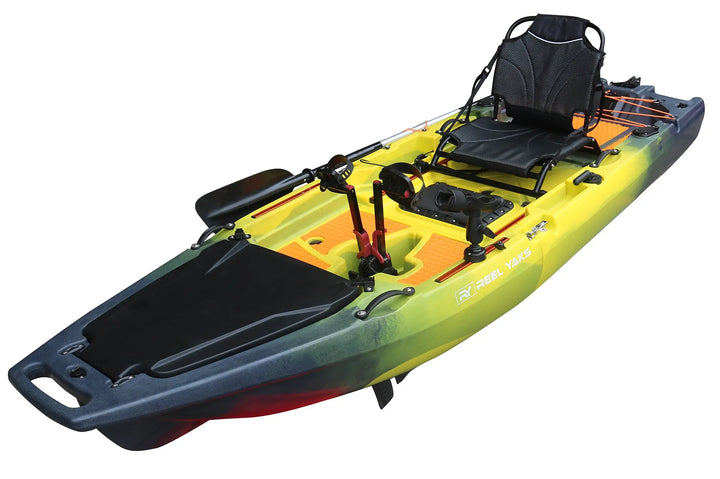
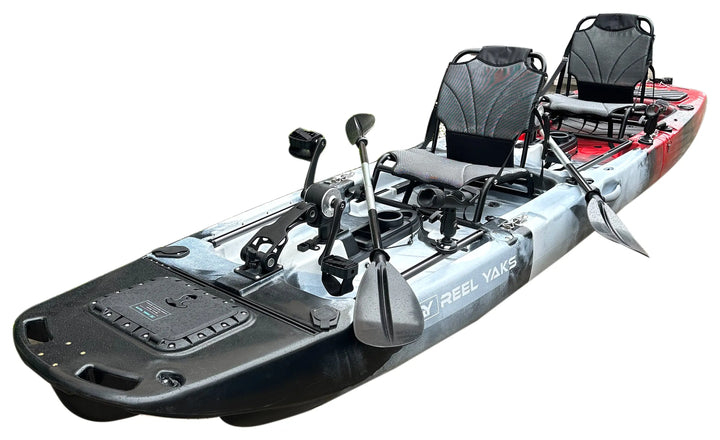
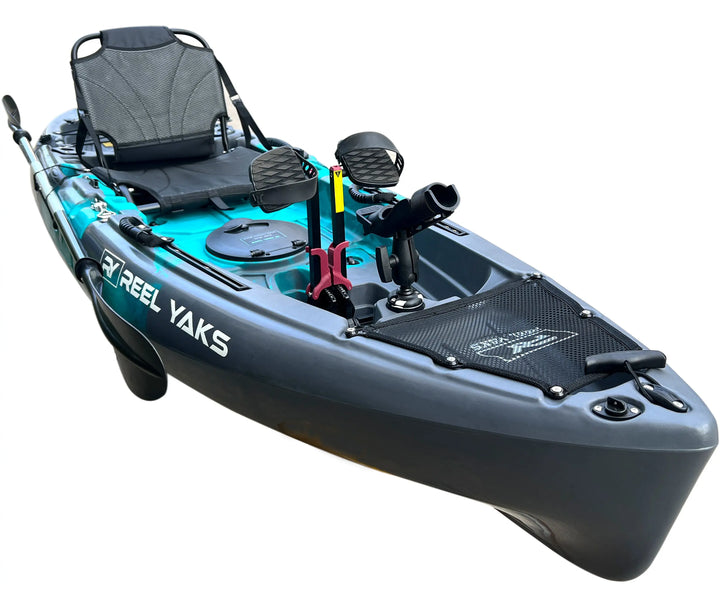
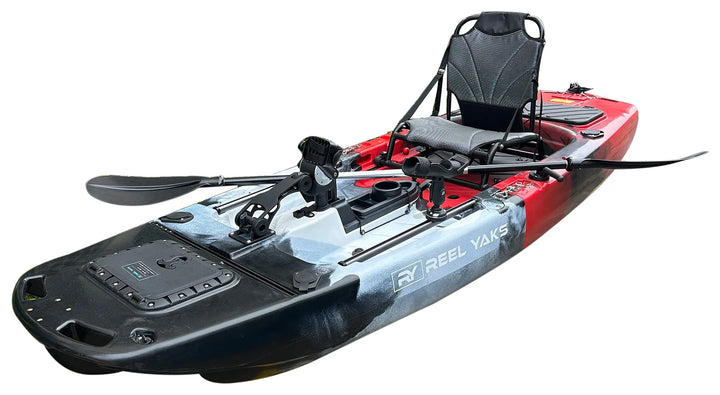
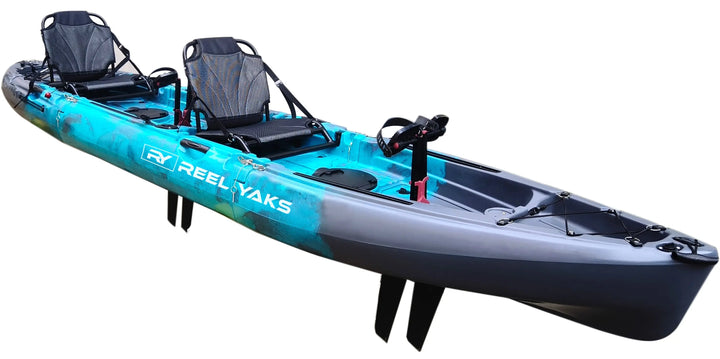
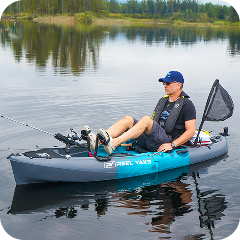
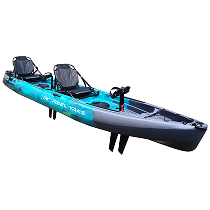
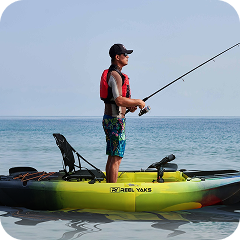
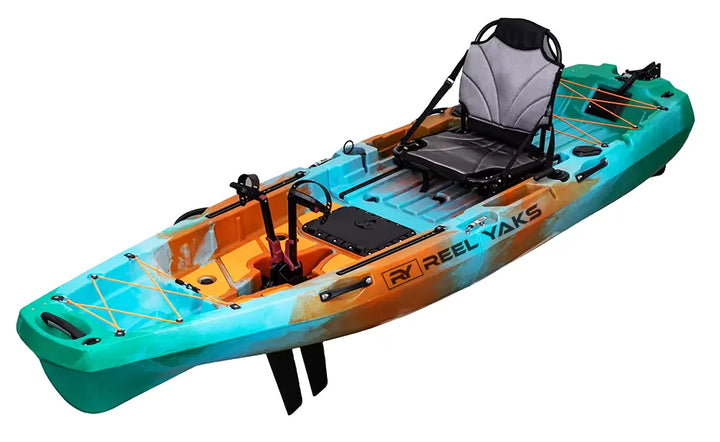
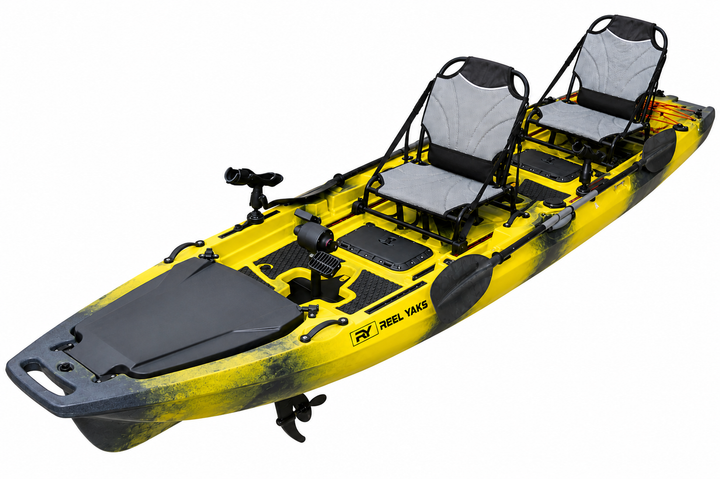
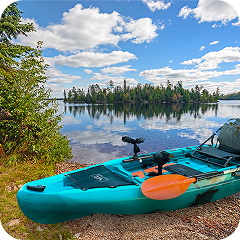
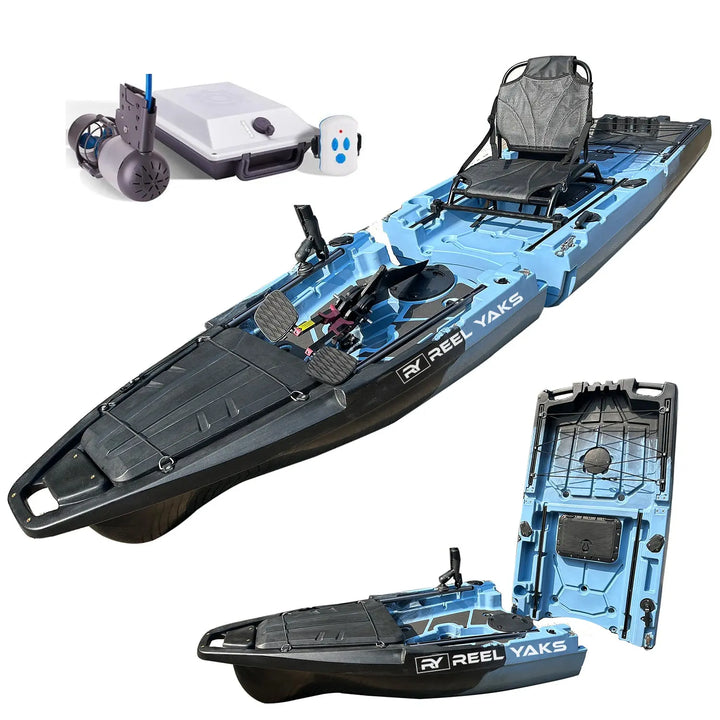
From a kayak, the underhand drift cast has another advantage: it doesn't require standing or large upper-body movements that can destabilize your boat in rough water. You can execute effective 40-50 foot casts while seated low in your Reel Yaks modular kayak, keeping your center of gravity stable even when wind and waves are pushing you around.
Side-Arm Wind Compensation for Crosswinds
When wind is hitting you from the side, the underhand drift cast alone isn't enough—you need to aim into the wind and let it carry your lure to target. This is where the side-arm compensation technique becomes essential.
Face your kayak so the wind is hitting your non-casting shoulder. If you're right-handed and wind is from the left, this puts you in perfect position. Aim your cast 15-30 degrees upwind of your actual target, depending on wind strength. The exact angle requires practice and adjustment based on lure weight and wind speed, but start with 20 degrees as your baseline.
Execute a side-arm cast that keeps your entire casting motion horizontal to the water. Your rod should swing from beside your hip to fully extended at shoulder height, never rising above your shoulder line. This horizontal plane minimizes the lure's time in the wind and gives you better accuracy than trying to compensate with an overhead cast.
The critical mistake anglers make is trying to aim directly at the target and then compensate mid-cast. By the time you see the wind pushing your lure off course, it's too late. Commit to the upwind aim from the start, trust the technique, and adjust your angle for the next cast based on where the first one landed.
Upgrading Lure Weight for Wind Penetration
In subfreezing wind, your favorite 1/8-ounce jig becomes nearly unusable. Wind resistance increases faster than lure weight can compensate, and light lures simply can't punch through heavy air currents. Upgrading your lure weight isn't about fishing deeper—it's about maintaining castability and accuracy.
As a general rule, increase your lure weight by one full size category in subfreezing wind. If you normally throw 1/4-ounce, go to 3/8 or 1/2-ounce. If you typically use 3/8-ounce, bump to 5/8-ounce. Yes, this affects how your lure falls and how fish respond, but it's better than spending your day frustrated with 20-foot casts that land nowhere near your target.
Compact lure profiles also matter significantly. A 3/8-ounce football jig casts better in wind than a 3/8-ounce spinnerbait because it has less surface area catching wind. Lipless crankbaits, blade baits, and metal jigs all excel in cold-wind conditions because their weight-to-profile ratio is optimized.
For soft plastics, Texas-rigged or Carolina-rigged presentations with bullet weights work better than weightless or lightly-weighted Ned rigs. The concentrated weight at the nose of a Texas-rig helps it cut through wind, while a Ned rig's exposed plastic creates a wind-catching sail.
The Drag-the-Rod-Tip Method for Maximum Accuracy
When you need pinpoint accuracy to drop a lure beside a dock piling or into a small pocket in vegetation, the drag-the-rod-tip method gives you control that other techniques can't match in subfreezing wind.
Lower your rod tip until it's actually touching the water surface. With your lure hanging 8-12 inches below the tip, drag the rod tip through the water in the direction you want to cast, building momentum slowly. When you've dragged the tip 3-4 feet, smoothly lift and sweep in one continuous motion, releasing the line as the rod loads.
This technique sounds awkward, and it looks unusual, but it's devastatingly effective for short, accurate casts in heavy wind. The water drag on your rod tip creates resistance that helps you feel the rod loading, and starting the cast motion with the tip already in motion eliminates the jerky start that often ruins accuracy with cold, stiff hands.
You won't get distance with this method—30 feet is about the maximum effective range—but when you need to hit a specific target in brutal conditions, it's your most reliable option. Ice fishermen have used variations of this technique for decades, and kayak anglers are rediscovering its value for cold-weather casting.
Line Management in Freezing Conditions
No casting technique can overcome frozen line that won't flow through your guides. Before each cast, strip out your line and let it trail in the water for 10-15 seconds. The water temperature, even in winter, is warmer than subfreezing air and helps relax line memory. Yes, this adds time to each cast, but it's faster than dealing with line that corkscrews off your reel.
Keep a rag soaked in warm water inside an insulated container. Between casts, wipe down your guides to prevent ice buildup. Some anglers use silicone spray on guides before launching, which delays ice formation but doesn't eliminate it. The warm rag method is more reliable and doesn't leave residue that can affect line performance.
Braided line handles subfreezing conditions better than monofilament or fluorocarbon because it doesn't develop the same stiff memory coils. However, braid ices up faster when wet. If you're using braid, keep your casting low and fast to minimize time the line spends exposed to wind before it enters the water.
Kayak Positioning for Wind-Assisted Casting
Your kayak position relative to wind direction dramatically affects casting success. Instead of fighting to cast into the wind, position your kayak so you're casting with the wind or at an angle to it. Use the wind to extend your casting range rather than constantly battling against it.
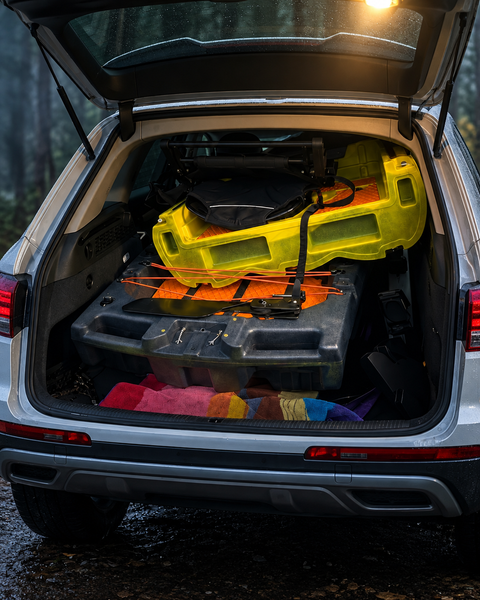
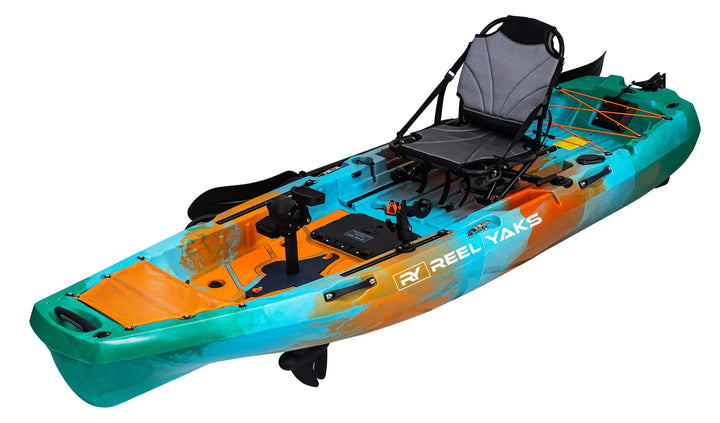
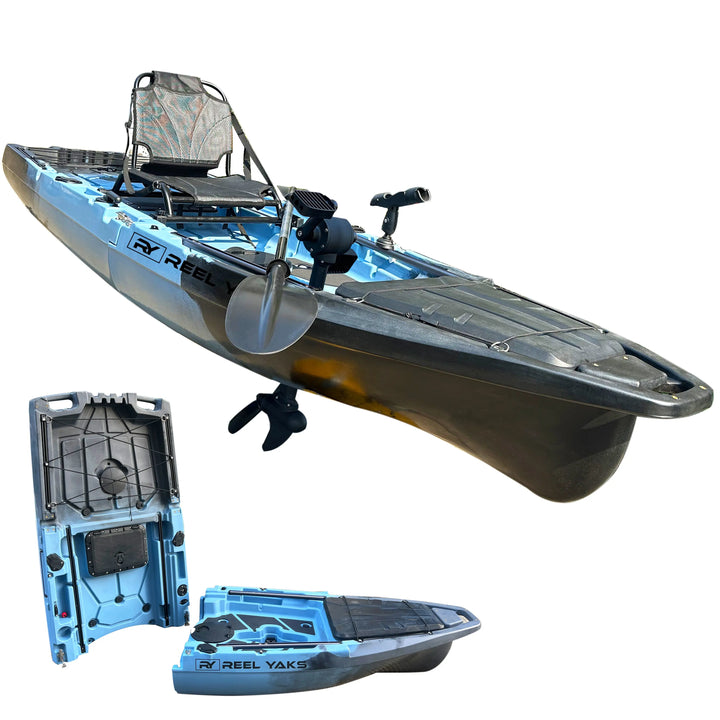
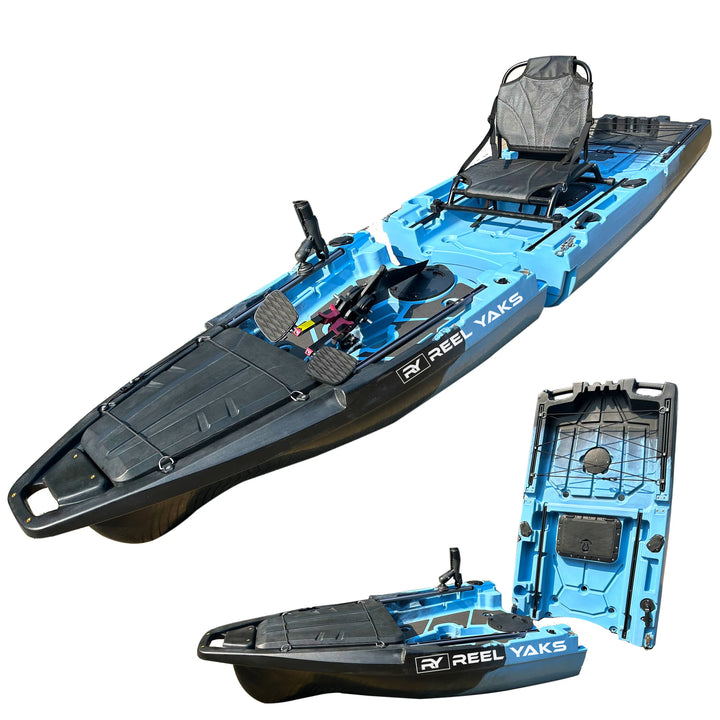
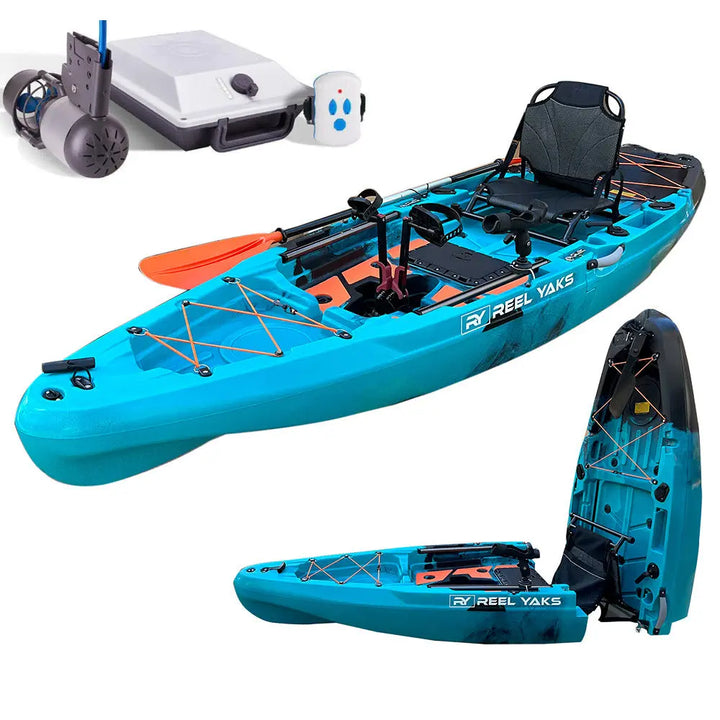
Anchor or stake out with your bow pointing 45 degrees into the wind. This angle lets you fan cast an entire area while using side-arm techniques that work with the wind. When you're ready to move, a modular kayak's light individual sections make repositioning less of a struggle against wind and current than wrestling a 70-pound traditional kayak.
If you're using a fin drive or prop drive system, maintain a slight forward momentum even when "stationary." A slow, steady creep into the wind keeps your kayak stable and gives you a consistent casting platform. Sitting dead still in subfreezing wind creates more boat movement than slow forward motion.
Hand Protection That Doesn't Sacrifice Casting Control
You can't execute any of these techniques if your hands are too cold to function. Fingerless gloves are the standard recommendation, but in truly subfreezing wind, exposed fingertips become dangerously cold within minutes.
The solution is layering with quick-drying liner gloves inside waterproof shells that you can remove for the cast, then immediately put back on. Keep chemical hand warmers in your lap or tucked into your PFD pockets. Between casts, put your hands in these warm pockets to maintain dexterity.
Some anglers use neoprene gloves with textured palms that maintain grip even when wet. These work well for casting but make it difficult to tie knots or handle small tackle, so keep a pair of thin liner gloves accessible for detail work.
Practice Timing: When to Push Through vs. When to Wait
Even with perfect technique, there are moments when subfreezing wind makes casting genuinely dangerous—not just difficult. If you can't feel your fingers after making a cast, you're past the point of safe fishing. If ice is forming on your rod guides faster than you can clear it, conditions have exceeded technique.
Watch for lulls in wind speed. Subfreezing wind rarely blows at constant velocity; it comes in waves and gusts. Time your casts for the relatively calm periods between gusts. This might mean waiting 30-60 seconds between casts, but you'll achieve better accuracy and distance than forcing casts during peak gusts.
The fish aren't going anywhere in subfreezing conditions—they're moving slowly, conserving energy. You don't need to make 100 casts per hour. Twenty well-placed casts in fishable windows will outproduce fifty poorly-executed casts forced through brutal wind.
Cold-Weather Fishing From a Stable Platform
All these casting techniques assume you have a stable platform to work from. In subfreezing wind, you're likely dealing with choppy water and boat movement that compounds casting challenges. A kayak's stability becomes even more critical when you can't make the quick balance adjustments that warm, nimble hands allow.
The W-hull design found in Reel Yaks provides stability that matters most in rough conditions. When you're executing a side-arm compensation cast and a wave hits your kayak mid-motion, a stable hull lets you complete the cast rather than stopping to re-balance. That stability difference between landing your lure on target versus 15 feet off target is often the difference between catching fish and going home frustrated.
Subfreezing wind will always be challenging, but it shouldn't end your fishing season. Master the underhand drift cast, learn to read wind patterns for proper compensation, upgrade your lure weights, and position your kayak to work with the wind rather than against it. The anglers who catch fish in February aren't tougher—they've just adapted their techniques to conditions that send everyone else home.
The water is less crowded in subfreezing wind. The fish are still there. And now you have the casting techniques to reach them.
Fish More. Haul Less. No Roof Rack Required.
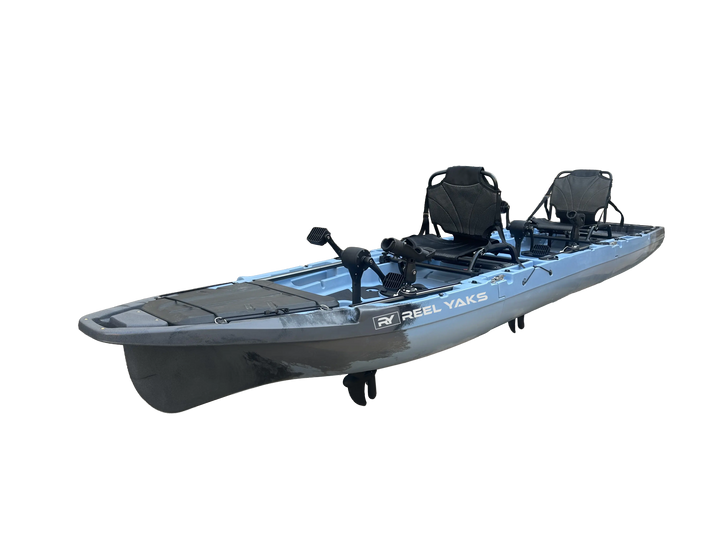
Reel Yaks modular pedal fishing kayaks break into 2–3 compact sections that fit in your car boot, store in your apartment, and assemble in 5 minutes — no roof rack, no garage, no heavy lifting. Browse all Reel Yaks modular fishing kayaks →