

Cold water doesn't stop fishing. Some of the best bass, trout, and steelhead action happens when the water temperature drops below 50°F. But here's the problem: cold water kills fast. If you capsize in 40-degree water wearing cotton jeans and a hoodie, you have maybe 10 minutes before you lose dexterity in your hands. After that, you can't pull yourself back into your kayak. You can't even grip your paddle.
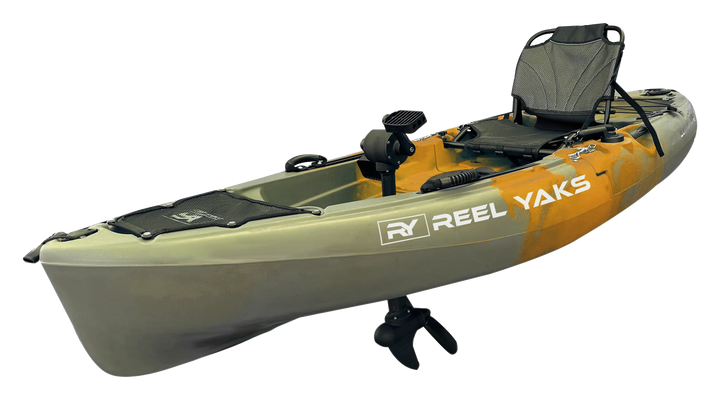
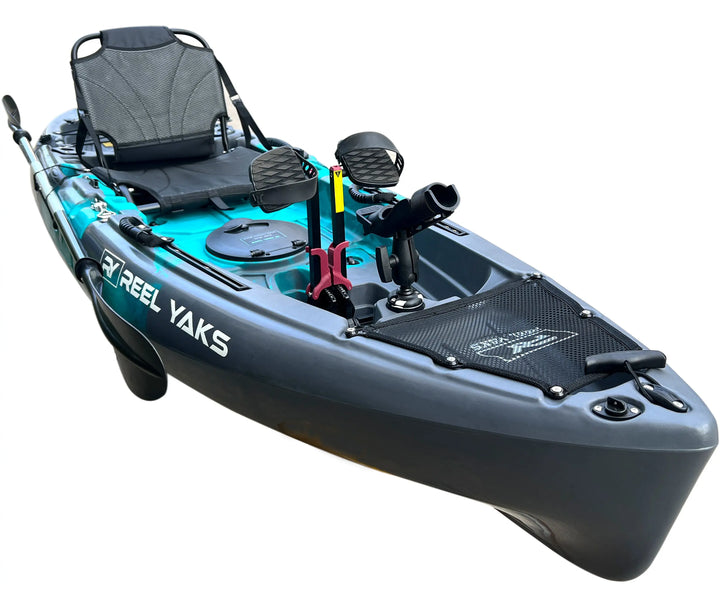
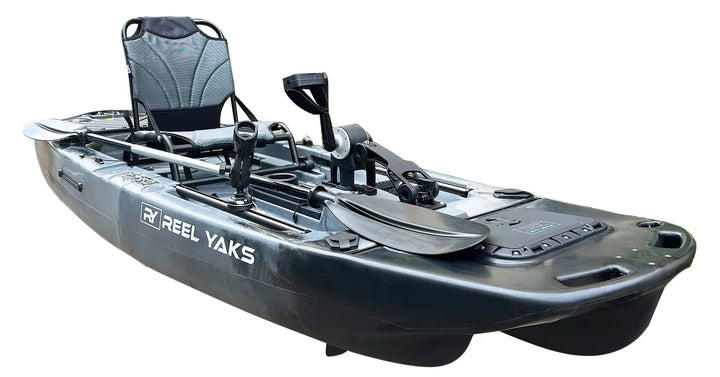
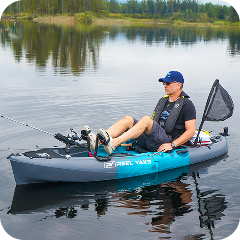
I learned this the hard way on a March morning in Michigan. The air felt warm enough—mid-50s, sunny, light breeze. The lake looked calm. I figured I'd paddle out for an hour, maybe catch some pre-spawn pike. I wore a rain jacket over a fleece, thinking that was plenty. Twenty minutes in, a wind gust caught my Raptor 9.5ft at the wrong angle during a cast, and I went over. The shock of that water hit like a punch to the chest. I couldn't breathe right for thirty seconds. My fingers went numb in maybe three minutes. I got back in the kayak, but only because I'd practiced wet exits in summer and muscle memory took over. If I'd been 100 yards farther from shore, I don't know if I would've made it.
Cold water kayaking isn't about being tough. It's about understanding physics. Water pulls heat from your body 25 times faster than air at the same temperature. The Coast Guard defines cold water as anything below 70°F, but the real danger zone starts around 60°F and gets critical below 50°F. At those temperatures, you're not dealing with discomfort—you're dealing with cold shock, loss of motor control, and hypothermia that can incapacitate you in minutes.
This cold water kayak pack list includes the 11 items that need to be in or on your kayak every single time you launch in sub-50°F water. These aren't nice-to-haves. They're the difference between a scary story and a tragedy.
1. Drysuit or Wetsuit (Choose Based on Water Temperature)
Your first line of defense is immersion protection. If you go in the water, this is what keeps you alive long enough to self-rescue or get help.
A drysuit is the gold standard for cold water below 50°F. It keeps water completely off your skin, with latex gaskets at the neck, wrists, and ankles. You wear insulating layers underneath—usually merino wool or synthetic base layers. Drysuits aren't cheap (expect $400-$1200 for a quality model), but they give you the most time in the water. Brands like Kokatat, NRS, and Mustang Survival make fishing-specific models with relief zippers and reinforced seats.
A wetsuit works in the 50-60°F range. It allows water in but traps a thin layer against your skin that your body heat warms. A 5mm full wetsuit or a 3/2mm with a neoprene top gives decent protection. Wetsuits cost less ($150-$400) and they're easier to move in, but they don't protect as long in truly cold water. You'll start feeling the cold after 15-20 minutes, and hypothermia can still set in if you can't get back in your kayak quickly.
Either way, leave the cotton at home. Cotton soaks up water and pulls heat away from your body. Synthetic or wool layers under your drysuit, neoprene against your skin in a wetsuit. Those are your only options.
2. Neoprene Gloves and Booties
Your extremities lose heat first. Within minutes of cold water immersion, your hands and feet go numb, and you lose the fine motor control you need to paddle, operate a radio, or pull yourself back into the kayak.
Neoprene gloves in 3mm or 5mm thickness keep your hands functional. I prefer fingerless paddling gloves for most fishing because I need to feel my line and tie knots, but I always pack a pair of full-finger 5mm gloves in my day hatch. If I go in the water, I'm putting those on immediately after I'm back in the boat. NRS, Glacier Glove, and Mustang Survival all make good options in the $25-$50 range.
Neoprene booties do the same job for your feet. 5mm booties with grippy soles work inside your kayak and give you traction if you need to wade or walk on a slippery launch. They cost $40-$80 and they're worth every penny. Wet feet in cold water lead to painful cramping and loss of coordination—not what you want when you're trying to pedal your Radar 10ft back to the launch.
3. Personal Flotation Device (PFD) Rated for Cold Water
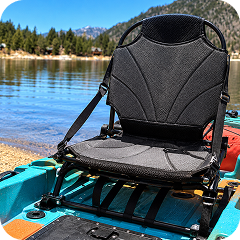
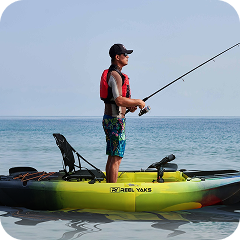
You already wear a PFD every trip, right? Good. In cold water, your PFD does more than keep you floating—it's also your gear platform and your insulation layer.
Look for a Type III PFD with at least 15 pounds of flotation. High-back designs work better with kayak seats. Models with fleece-lined pockets add a bit of warmth. More importantly, your PFD should have multiple attachment points and pockets for the other items on this list: whistle, knife, radio, light.
Some manufacturers make cold-water-specific PFDs with insulated cores. Mustang Survival's Khimera series combines flotation with thermal protection. These cost more ($200+) but they give you an extra layer of warmth if you go in.
Whatever PFD you choose, wear it the entire time you're on the water. Don't leave it bungeed to the deck. Don't take it off to cast. The Coast Guard reports that 85% of drowning victims weren't wearing their life jackets. In cold water, that number is even more critical because you don't have time to fumble with buckles once you're in the water.
4. Marine VHF Radio or Satellite Communicator
Your phone stops working the moment it hits cold water. Even if it's in a waterproof case, touchscreens don't work with wet neoprene gloves, and you can't count on cell coverage away from shore.
A handheld VHF radio lets you call for help on Channel 16, the emergency hailing frequency monitored by the Coast Guard, marine patrol, and other boaters. Good models like the Standard Horizon HX870 ($180) or Icom M25 ($130) float, they're waterproof, and they have built-in GPS. Keep the radio in a PFD pocket or tethered to your jacket. Test it before each trip. Make sure the battery is charged.
In areas without VHF coverage—big inland lakes, remote rivers—a satellite communicator like the Garmin inReach Mini 2 ($400) gives you two-way text messaging and an SOS button that reaches emergency services anywhere on the planet. The subscription costs $15-$65 per month depending on the plan, but it's cheaper than a helicopter rescue or a funeral.
Some anglers carry both. The VHF gives you instant voice communication with nearby boats. The satellite device is your backup for true wilderness situations. Either way, carry something that works when your phone doesn't.
5. Safety Whistle
A whistle seems almost too simple to matter, but it's one of the most important items on this list. When you're in the water, cold shock and hypothermia steal your ability to yell. Your voice doesn't carry over wind and waves. A whistle does.
Three sharp blasts is the universal distress signal. A plastic pealess whistle costs $5 and produces 100-120 decibels—loud enough to hear from a quarter mile away. The Fox 40 is the standard. It doesn't have a ball inside to freeze or corrode, and it works even when it's full of water.
Attach your whistle to your PFD with a short lanyard. Not a long cord that can snag on brush or gear—just a 4-inch tether that keeps it within reach. Test it once before you launch. Make sure it's not clogged with dirt or old spider webs.
6. Fixed-Blade Knife in a Secure Sheath
A knife serves multiple roles in cold water. It cuts tangled line if your pedal drive snags underwater weeds. It slices through rope if your anchor line wraps around your prop. Most critically, it cuts you free from your kayak if you flip and something pins you underwater.
Carry a fixed-blade knife, not a folding knife. Folding knives require fine motor control to open, and you won't have that in cold water. A 3-4 inch stainless or titanium blade in a secure sheath works perfectly. The Benchmade Water Rescue Tool ($180) includes a seatbelt cutter and a carbide glass breaker. The NRS Pilot Knife ($40) is a budget-friendly option that does the job.
Mount your knife where you can reach it with either hand, even if you're upside down in the water. I keep mine on my PFD shoulder strap. Some kayakers prefer a thigh sheath. Test your draw. Make sure you can get the knife out while wearing gloves.
7. Complete Dry Change of Clothes in a Waterproof Bag
Even if you self-rescue successfully, you're soaking wet in sub-50°F weather. Your drysuit might have kept the water off your skin, but you're still cold from exertion and stress. If your drysuit failed, or if you're wearing a wetsuit, you're hypothermic and you need dry clothes immediately.
Pack a complete change of clothes in a waterproof drybag: synthetic or wool base layer, insulating mid-layer, dry socks, dry gloves, and a warm hat. Add a large garbage bag to stuff your wet gear into. This whole kit fits in a 20-liter drybag that takes up minimal space in your Recon 10ft storage compartment.
Keep this drybag accessible. Don't bury it under your tackle. If you capsize far from the launch and you manage to get back in your boat, you need to be able to change clothes without paddling back first. Hypothermia continues even after you're out of the water. Dry clothes stop that progression.
8. Emergency Space Blanket and Fire Starter
A space blanket (also called an emergency blanket or survival blanket) weighs two ounces and costs $5. It reflects 90% of your body heat back to you. If you're stranded on shore, wet and cold, this thin sheet of metalized plastic can prevent severe hypothermia while you wait for help.
Keep one in your drybag with your spare clothes. Keep a second one in your PFD pocket. These things take almost no room and they're single-use insurance you hope you never need.
Add a waterproof fire starter to your kit. A small butane lighter in a waterproof case ($5), waterproof matches ($8), or a ferrocerium rod ($15) lets you start a fire to warm up. Practice using your fire starter before you need it in an emergency. Cold hands and panic make simple tasks nearly impossible.
9. Throw Rope or Rescue Line
If another paddler capsizes near you, you need a way to reach them without putting yourself in the water. A throw rope—also called a rescue bag—gives you that option.
A standard throw rope is 50-70 feet of floating line stuffed into a small bag with a foam core that floats. You hold the bag, throw the rope to the person in the water, and they grab the line while you pull them to safety or to their kayak. These cost $30-$60 from companies like NRS, Stohlquist, and Mustang Survival.
Keep your throw rope somewhere you can grab it quickly—bungeed on deck or in an accessible side pocket. Throwing a rope accurately takes practice. If you've never used one, spend twenty minutes in warm weather throwing it to a friend standing on shore. You'll figure out the technique, and you'll know what to expect if you ever need it in a real emergency.
10. Dive Light or Waterproof Headlamp
Cold-water fishing happens during short winter days. You might launch at dawn or stay out until dusk to hit those low-light feeding windows. If something goes wrong and you're on the water after dark, you need reliable light.
A waterproof headlamp or a dive light serves multiple purposes. It lights your way back to the launch. It signals your position to other boaters. The SOS flash mode on most LED lights is visible for miles and dramatically increases your chances of being found if you're stranded.
I keep a small LED headlamp ($25-$60) in my PFD pocket and a backup in my drybag. Look for models rated IPX7 or IPX8 (submersible) with at least 200 lumens. Princeton Tec, Petzl, and Black Diamond make solid options. Carry extra batteries. Cold temperatures drain batteries faster than you expect.
11. First Aid Kit with Cold-Water Specific Items
Your regular first aid kit needs a few additions for cold-water kayaking. Beyond the standard bandages, pain relievers, and antiseptic, add these items:
- Chemical hand warmers: Instant heat when you need it most. Stick them in your gloves, booties, or against your core. They last 6-10 hours and cost about $1 each.
- Glucose tablets or energy gels: Hypothermia burns through your blood sugar. Fast-acting carbs help your body generate heat.
- Instant cold compress: Counterintuitive, but useful for treating injuries that happen during a capsize—sprains, cuts, impacts.
- Mylar emergency bivvy: A step up from a space blanket. The SOL Emergency Bivvy ($18) is a sleeping-bag-shaped reflective sack that traps more heat and blocks wind.
- Waterproof reference card: Print out or buy a laminated card showing hypothermia symptoms and treatment steps. When you're cold and stressed, your brain doesn't work right. A reference card tells you what to do next.
Pack your first aid kit in a waterproof case—a Pelican-style hard case or a heavy-duty drybag. Mark it with reflective tape so you can find it quickly. Check expiration dates on medications every spring.
Putting It All Together: Your Pre-Launch Cold Water Checklist
Before you push off the shore in cold water, run through this quick check. It takes three minutes and it could save your life:
- Drysuit or wetsuit on, properly sealed
- Neoprene gloves and booties accessible
- PFD worn and buckled, with whistle and knife attached
- Radio or satellite communicator charged and accessible
- Drybag with spare clothes in the boat
- Space blanket and fire starter in PFD pocket
- Throw rope on deck or in side pocket
- Light in PFD pocket, backup light in drybag
- First aid kit accessible
- Someone on shore knows where you're going and when you'll be back
That last item isn't gear, but it's just as important as everything else on this list. Tell someone your float plan. Text them your launch location, your planned route, and your expected return time. If you don't check in, they know to call for help.
The Bottom Line on Cold Water Safety
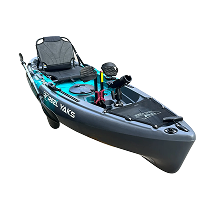
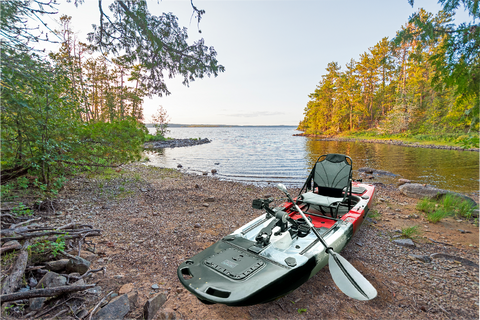
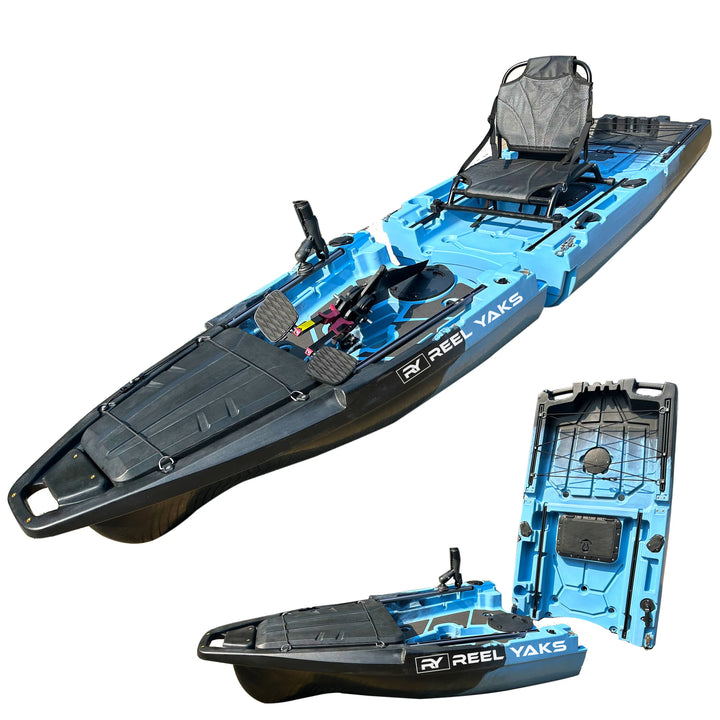
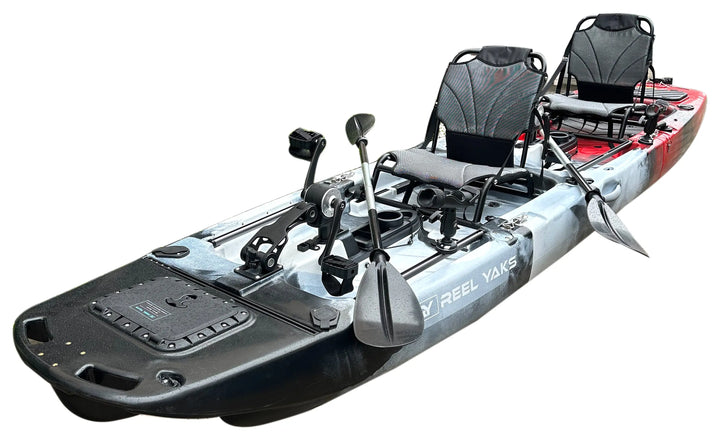
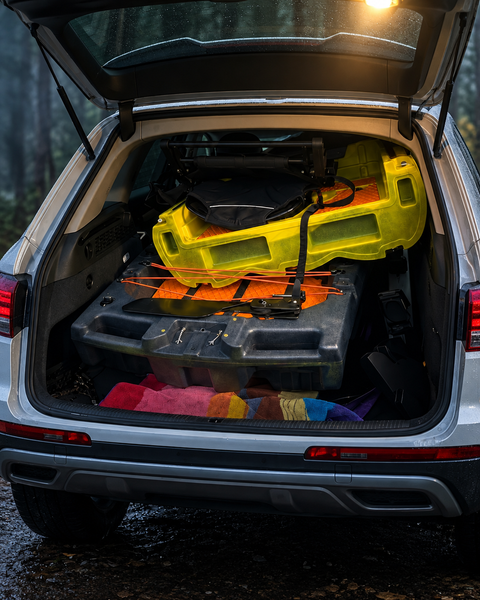
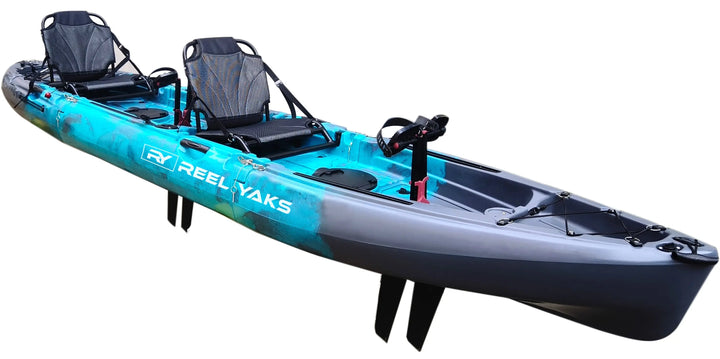
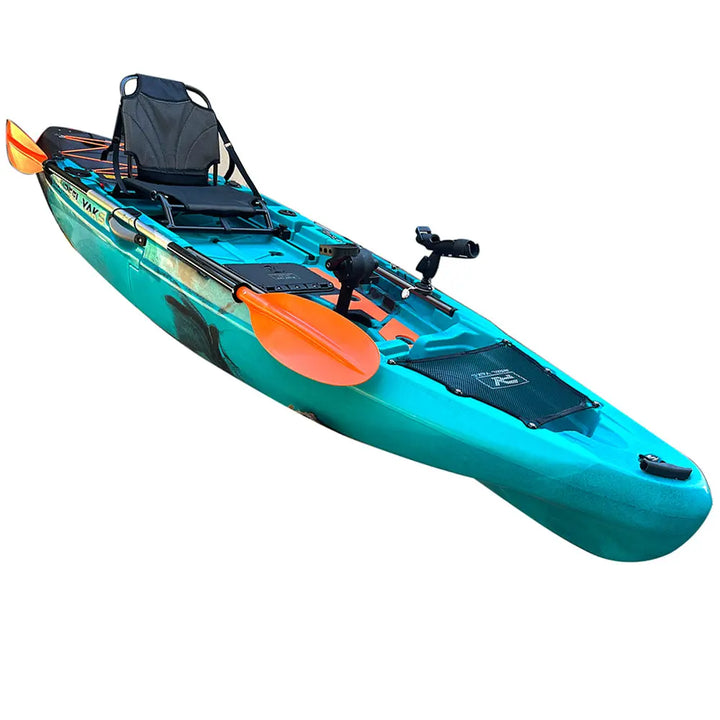
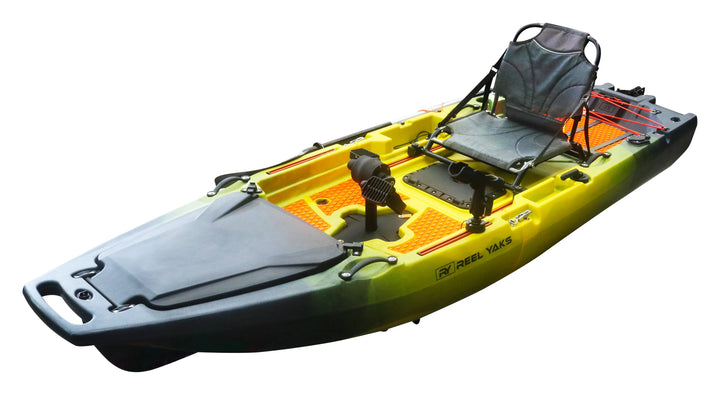
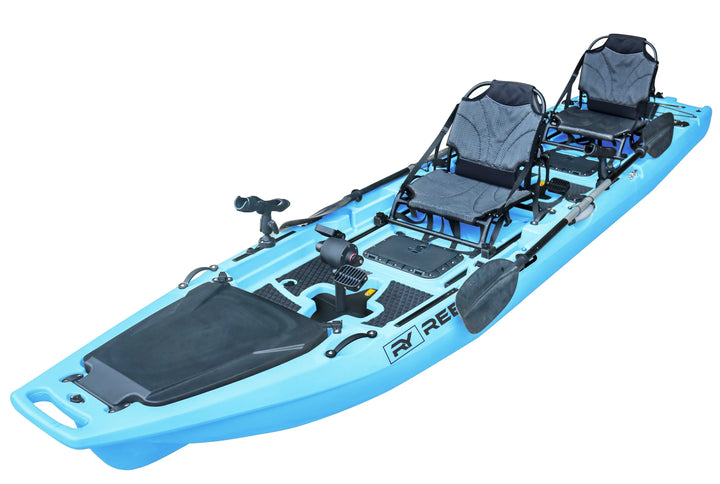
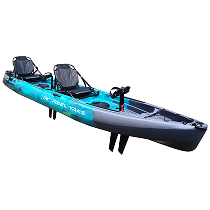
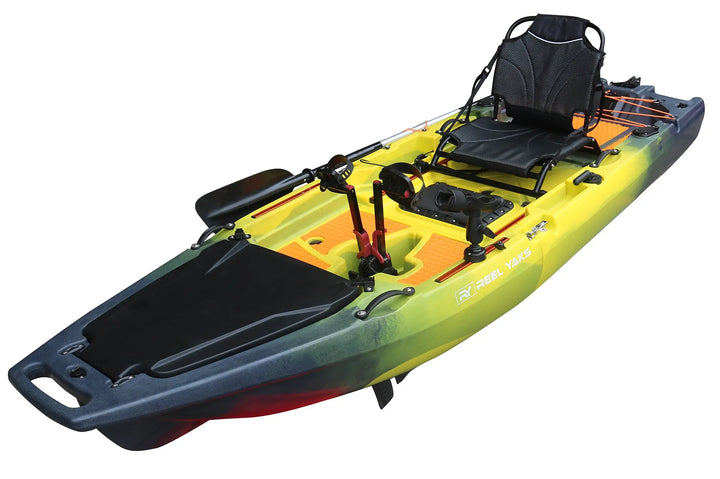
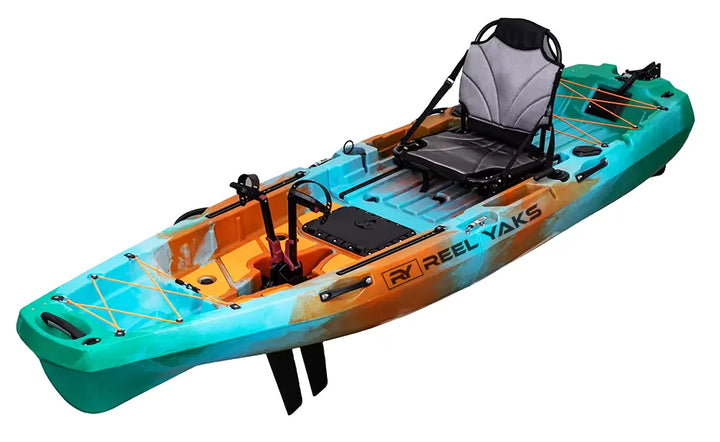
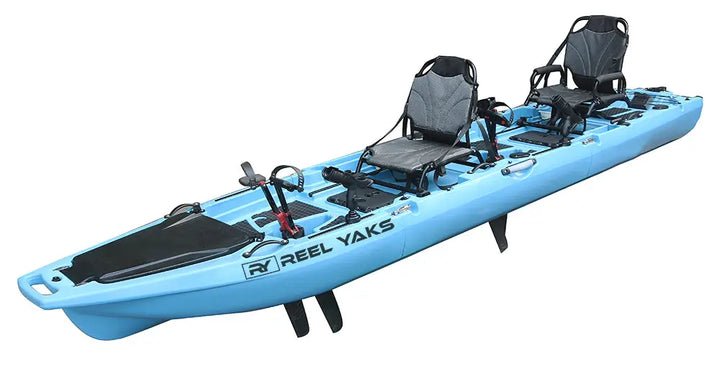
Cold water kayaking extends your fishing season into some of the most productive months of the year. Early spring bass, winter steelhead, late-fall pike—these are the experiences that make the extra preparation worthwhile. The modular design of Reel Yaks models like the Raptor, Radar, and Recon makes it easier to load your safety gear because you can pack critical items in separate sections and assemble everything at the launch.
But you need to respect cold water. It doesn't care how strong a swimmer you are or how stable your kayak is. It doesn't give you second chances. The 11 items on this cold water kayak pack list give you the tools to survive a capsize and either self-rescue or stay alive long enough for help to arrive.
Print this list. Laminate it. Keep it in your tackle box or your garage. Check off each item before you launch. The five minutes you spend on this checklist might be the most important five minutes of your fishing season.
Stay safe out there. The fish will still be there tomorrow, but only if you make it home tonight.


