

The turkey's thawing in the fridge. Your sister-in-law just texted about bringing her famous casserole. Uncle Dave is already practicing his political opinions. And you? You're eyeing the weather forecast and wondering if you can squeeze in one more kayak fishing trip before the chaos begins.
That pre-Thanksgiving kayak trip isn't just about escaping the family preparation frenzy—though that's a solid bonus. Late November offers surprisingly good fishing across much of North America, cooler heads on the water, and the possibility of showing up to Thanksgiving dinner with fresh fillets instead of another store-bought pie. Here's how to make the most of that last bite before the relatives arrive.
Why Late November Fishing Deserves Your Attention
Most fair-weather anglers have already winterized their gear and settled into the couch for football season. That means you'll have lakes, rivers, and bays largely to yourself during the week before Thanksgiving. The fishing pressure drops off dramatically after Halloween, and fish that have been educated all season suddenly become a bit less cautious.
Water temperatures in late November typically range from the high 40s to low 60s depending on your region, triggering different behaviors in different species. In southern states, this cooling trend activates bass and brings them shallow to feed before winter. In the mid-Atlantic and Northeast, it's prime time for late-season trout, panfish seeking deeper structure, and the tail end of the fall pike and muskie bite. West Coast anglers might chase steelhead in coastal rivers or target rockfish and lingcod in the saltwater.
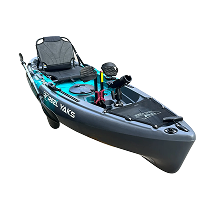
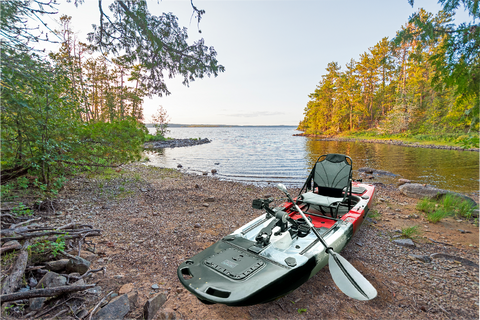
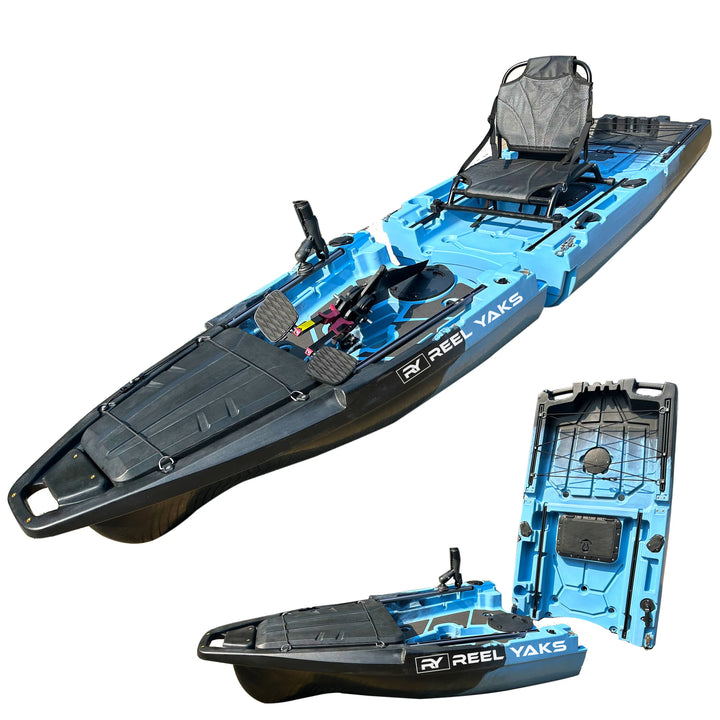
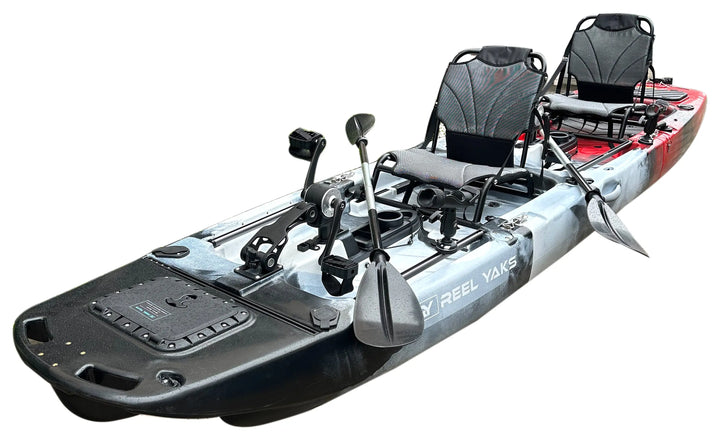
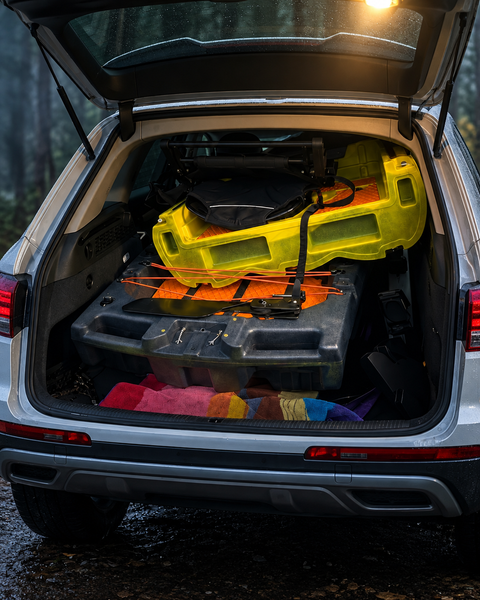
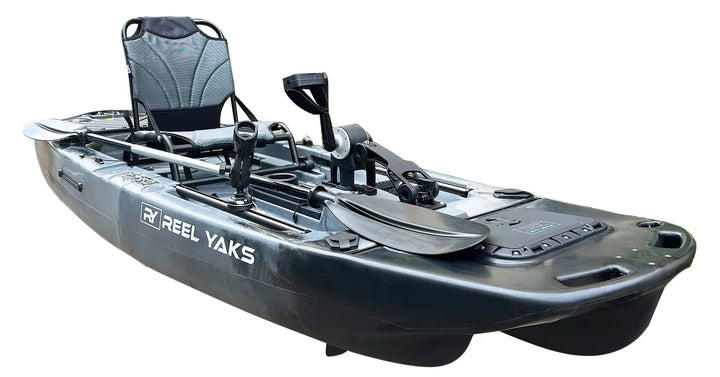
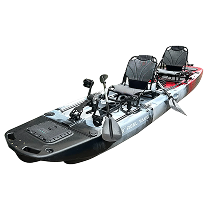
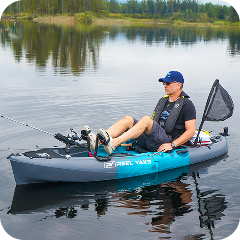
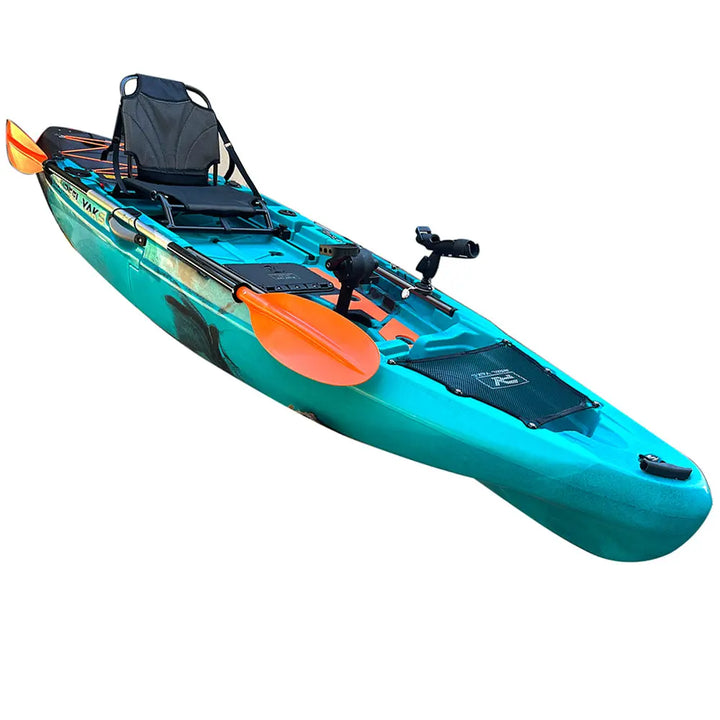
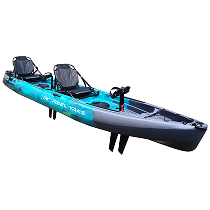
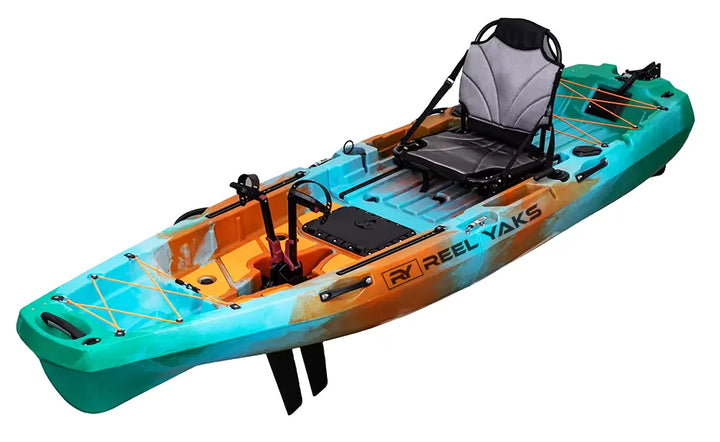
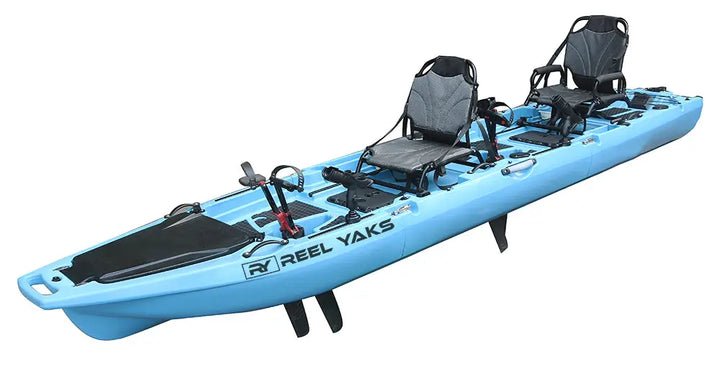
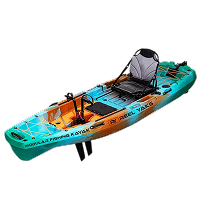
The key advantage of a modular kayak like the Raptor 9.5ft during this pre-holiday window is speed. You don't need a whole morning to load, launch, and fish. Break down your two-section kayak in under five minutes, toss it in the SUV, and you're fishing within an hour of deciding to go. When you've got meal prep, grocery runs, and house cleaning competing for time, that convenience matters.
What to Target Before the Turkey
Your target species depends entirely on geography, but late November patterns are fairly predictable once you understand the temperature zones.
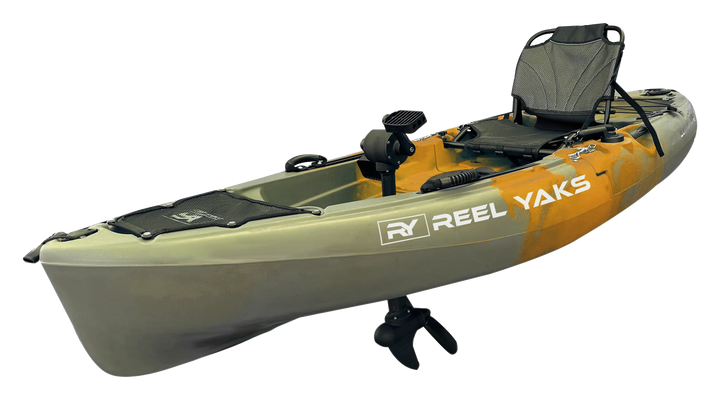
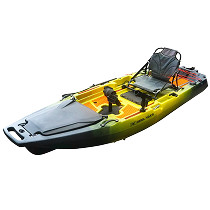
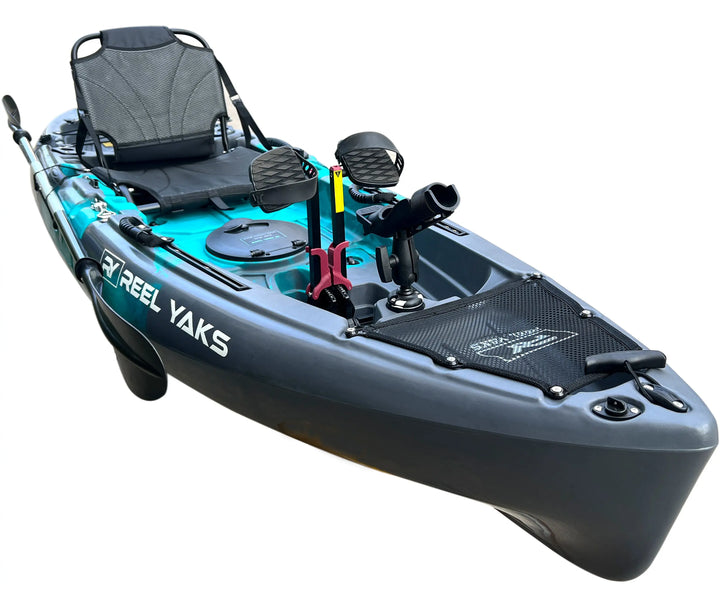
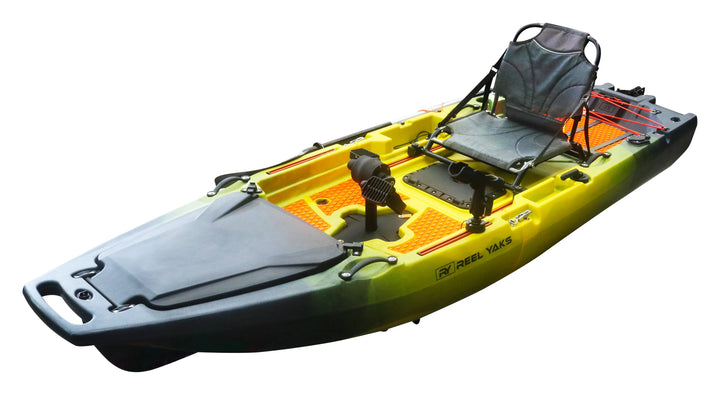
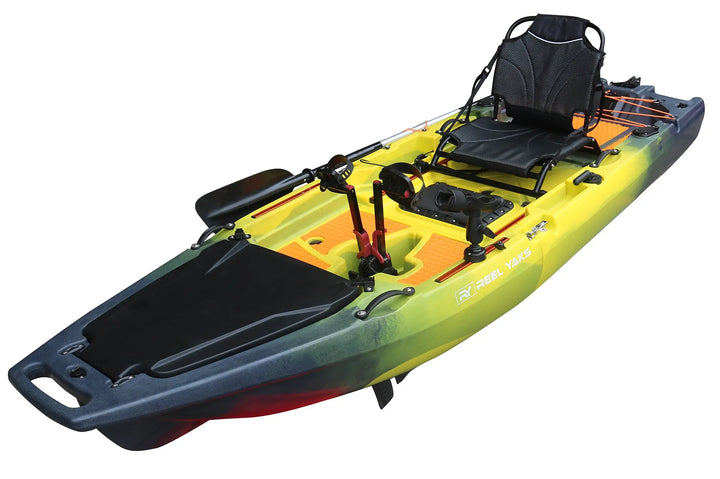
Bass in Southern States: From Texas through the Carolinas, largemouth and spotted bass move shallow as water temps drop into the 50s. Focus on the last remaining green vegetation, main-lake points near deep water, and anywhere baitfish are schooling. Crankbaits, jerkbaits, and slow-rolled swimbaits produce well. The Radar 10ft with propeller drive gives you instant reverse for boat control around structure—helpful when you're working a crankbait over rocky points and need to back off quickly.
Panfish Everywhere: Crappie, bluegill, and perch transition to deeper structure but remain catchable with simple tactics. Look for brush piles, channel edges, and deep dock pilings in 15-25 feet of water. Small jigs and live minnows catch fish consistently. This is relaxed, contemplative fishing—perfect for clearing your head before family intensity ramps up.
Pike and Muskie (Northern States): Late November is the last window before ice-up in many northern waters. Big pike and muskie feed aggressively before winter dormancy. Focus on the last green weeds, rock transitions, and anywhere cisco or whitefish are spawning. Large swimbaits, jerkbaits, and bucktails produce. These fish pull hard, so make sure your drag is set properly.
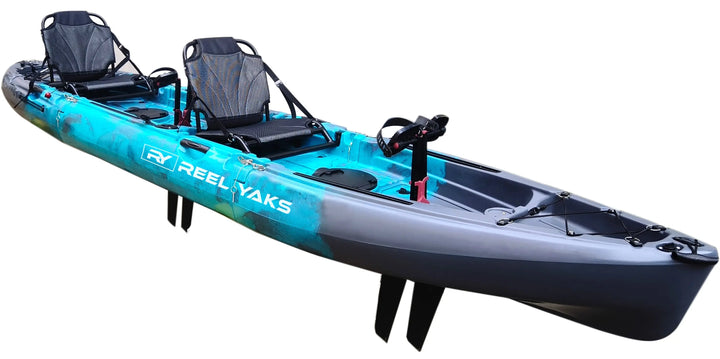
Trout (Tailwaters and Streams): Fall trout fishing is exceptional in many regions. Stockers have acclimated, wild fish are feeding heavily, and bug hatches can still happen on warmer afternoons. Nymphs, streamers, and small crankbaits all work. The quiet operation of a fin drive system helps in these clear, low-flow conditions where fish spook easily.
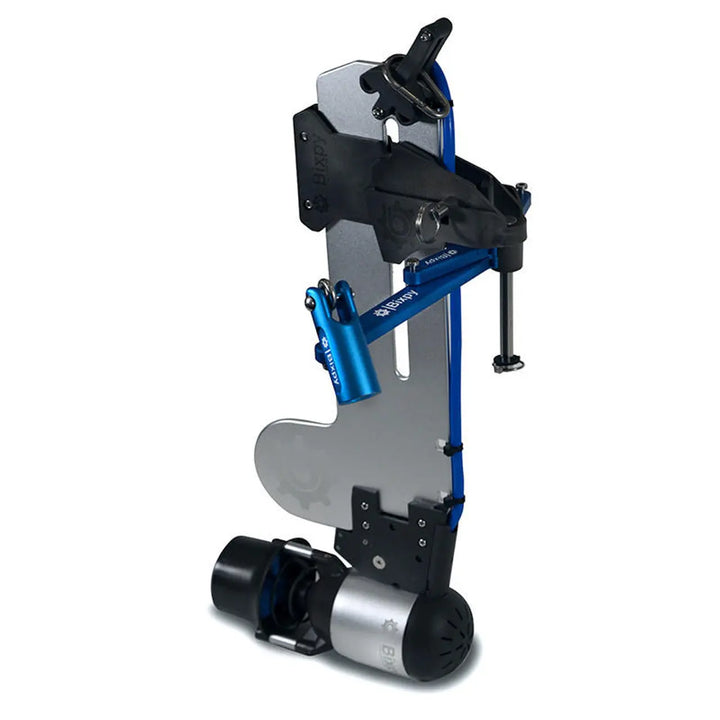
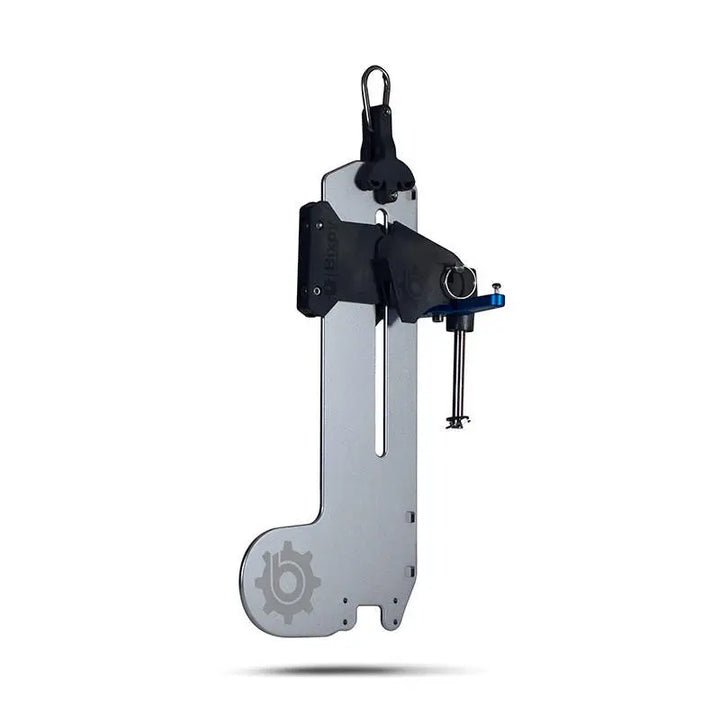
Saltwater Inshore: Redfish, speckled trout, and black drum remain active in southern coastal states. Work grass flats on falling tides, oyster bars, and creek mouths. Soft plastics on jigheads are reliable. The Recon 10ft with a Bixpy motor bundle extends your range significantly in saltwater, letting you cover more water without wearing yourself out before you've even started cooking.
Planning a Quick Pre-Thanksgiving Trip
You don't have three days to disappear into the wilderness. You've got Wednesday afternoon, maybe Thursday morning if your family is understanding (or not yet arrived). Here's how to maximize limited time:
Scout digitally first. Use mapping apps, check local fishing reports online, and scroll through recent catches on social media. Don't waste precious water time searching blind. Pick a proven spot with recent activity.
Simplify your tackle. Bring three proven techniques, not thirty. For bass, that might be a crankbait rod, a jig rod, and a finesse setup. For panfish, a couple jig sizes and some live bait. For trout, a streamer rod and a nymph setup. Leave the tackle box that weighs 40 pounds at home.
Check the weather obsessively. Late November weather can turn quickly. A sunny 55-degree forecast can become a 40-degree rain squall with 20mph winds in a matter of hours. Have a backup plan and don't be a hero—your family won't be impressed if you show up with hypothermia instead of fish.
Launch at first light or late afternoon. Both periods offer the best bite in cold water. The midday lull is real in late fall, so don't waste it on the water. Fish hard for three hours, then head home to prep your catch (or warm up and admit defeat). A short, focused session often outfishes a long, cold slog.
Tell someone your plan. Yes, even though you're just going to the local lake for a few hours. Cold water is dangerous water. Fall in during November and you've got minutes, not hours, before things go sideways. Wear your PFD, bring a change of clothes in a dry bag, and text someone your launch location and expected return time.
Bringing Fish to the Thanksgiving Table (Legally)
Showing up with fresh fillets is a flex, but only if you do it right. First, know your regulations. Most states have possession limits separate from daily catch limits, and some species have seasonal closures or size restrictions that extend through November. Bass, for example, might be catch-and-release only in some northern waters. Trout streams often have special fall regulations. Check your state's wildlife agency website before you keep anything.
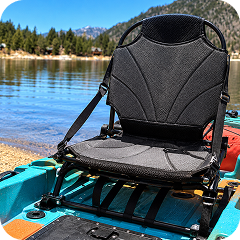
Second, handle your catch properly from the moment it's landed. Fish kept for eating should be dispatched quickly and stored on ice immediately. A small cooler strapped behind your seat keeps fish cold without taking up rod storage space. Bleed fish quickly if you're keeping them—cut the gills or throat latch, let them bleed into the water for a minute, then ice them down. This dramatically improves meat quality.
Fillet fish as soon as you get home, not three hours later after you've showered and taken a nap. Freshness matters. Rinse fillets in cold water, pat them dry, and store them in a sealed container or vacuum bag in the coldest part of your fridge. If you're not cooking them until Thursday, consider freezing them Wednesday night, then thawing them slowly in the fridge Thursday morning. Fish frozen fresh and thawed properly often tastes better than "fresh" fish that sat in a fridge for two days.
As for cooking, keep it simple. Pan-seared fillets with butter, lemon, and herbs take fifteen minutes and let the fish shine. Blackened fillets with Cajun spices. Fish tacos if your family is non-traditional. Smoked fish dip if you're ambitious and have a smoker. Don't overthink it—fresh fish cooked simply will impress more than any complicated recipe.
The Mental Reset Before Family Time
Here's the unspoken reason that pre-Thanksgiving kayak trip matters: it's the last time you'll be in your own head for about five days. Thanksgiving is wonderful, but it's also intense. Relatives with strong opinions. Kids running in circles. Someone burning something in the kitchen. Your cousin asking when you're going to get a "real job."
Three hours alone on the water, pedaling across a quiet lake while herons pick through the shallows and your breath makes clouds in the cold air—that's therapy. Whether you catch fish or not, you'll come home calmer, more patient, and better equipped to handle Uncle Dave's takes on the economy.
The portable nature of a modular kayak means you can chase that reset almost anywhere. Visiting family out of state? Throw your two sections in the car. There's probably a lake, river, or bay within an hour of wherever you're staying. You don't need a boat ramp, a trailer, or permission from anyone. You need a shoreline, ten minutes to assemble your kayak, and the willingness to escape for a bit.
Packing for Cold Water Fishing
Late November kayak fishing requires different gear than summer trips. Water temps in the 40s and 50s are legitimately dangerous if you go in unprepared. Here's the safety checklist:
Dress for immersion, not air temperature. If the water is 50 degrees, wear layers that will keep you alive if you capsize. That means a wetsuit or drysuit, not just your lucky fishing hoodie. At minimum, wear synthetic or wool layers that retain some warmth when wet, and have a dry bag with complete spare clothes bungeed to your kayak.
Gloves matter. Neoprene fishing gloves or wool glove liners let you feel your line while keeping your hands functional. Frozen fingers can't tie knots or grip a paddle if something goes wrong.
Bring hot drinks. A thermos of coffee or tea isn't just comfort—it's a morale boost and a minor heat source. When you're cold and questioning your decisions, a few sips of hot liquid can flip your whole attitude.
Shorter trips are smarter trips. You don't need to prove anything. Fish for three focused hours, then get off the water while you're still warm and functional. Cold-water exhaustion sneaks up on you, and your paddling efficiency drops as you tire. Plan to end early rather than push limits.
The Gear That Makes Quick Trips Possible
Traditional one-piece kayaks are fantastic boats, but they're a commitment. Getting one on and off a vehicle takes time, requires roof racks or a trailer, and usually means dedicating a couple hours to logistics alone. When you're trying to squeeze a fishing trip into the margins of holiday prep, that friction is enough to make you stay home.
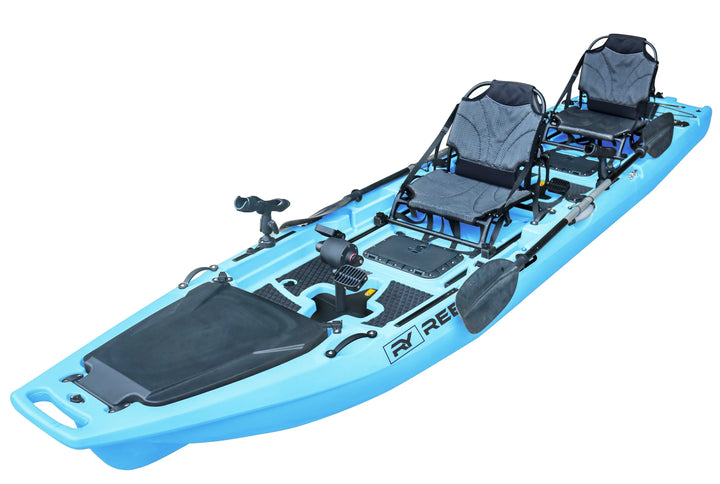
Breaking your kayak into two or three sections changes the equation completely. Load time drops to minutes. No roof racks needed—sections fit inside most SUVs, minivans, and even sedans with the rear seats folded. The Raptor 9.5ft weighs 94 pounds total, split across two sections at 47 pounds each. One person can load and unload without help. Assembly at the water takes under five minutes with no tools required.
That convenience isn't just about Thanksgiving week. It's about every stolen hour on the water throughout the year. Quick morning sessions before work. Lunchtime escapes. Evening bites. The less friction between deciding to go fishing and actually being on the water, the more you'll fish. And the more you fish, the better you get, the more you enjoy it, and the more you understand why that pre-Thanksgiving trip isn't optional—it's essential.
Making It Happen This Year
Look at your calendar right now. What does the week before Thanksgiving actually look like? Be honest. You probably have more two- or three-hour windows than you think. Early Wednesday morning before you pick up relatives from the airport. Tuesday evening if you prep dishes the night before. Even Thursday morning if your family isn't the breakfast type and dinner isn't until three.
The fish are there. The water is quiet. Your kayak is ready. The only question is whether you'll give yourself permission to take that one last trip before the family storm arrives. The dishes can wait two hours. The grocery shopping can happen after lunch. Your mental health is worth protecting, and sometimes the best way to be present for your family is to spend a little time away from them first.
So check the weather. Charge your fish finder. Tie on a crankbait or rig a jig. And get out there for one last bite before the turkey takes over. Your future self, sitting at a dinner table full of relatives, will thank you for the reservoir of calm you built up on the water. And if you show up with fresh fillets? Even better.


