

You've marked your calendar. You've cleared the long weekend. Veterans Day is offering you three consecutive days on the water, and the only thing standing between you and the best fishing weekend of the fall is one question: are you actually ready?
Most anglers treat a three-day weekend like three separate one-day trips. They pack the night before each launch, discover missing gear on day two, and spend day three nursing a sore back from repetitive loading. By the time Monday evening rolls around, they're more exhausted than refreshed.
The smart approach is different. It treats Veterans Day weekend as a single extended campaign that deserves proper veterans day kayak prep—the kind of systematic preparation that ensures each day builds on the last instead of depleting your energy and enthusiasm.
Why Three-Day Weekends Break Traditional Kayak Logistics
A single day trip is forgiving. You can muscle a heavy kayak onto your roof rack, forget a secondary rod, or skip the sunscreen reapplication because you'll be home by dinner. None of these shortcuts matter when you're only out once.
But string three days together and every inefficiency compounds. That awkward roof-loading technique that tweaks your shoulder? You're doing it six times—three loads, three unloads. The traditional rigid kayak that requires two people to lift safely? You're now coordinating schedules with a buddy for every single launch, or risking injury doing it solo.
Weather adds another layer. A three-day window almost guarantees you'll see changing conditions. The calm morning that turns breezy by noon. The cold front that arrives Saturday night. The surprise shower that soaks your gear between day one and day two if you didn't pack proper protection.
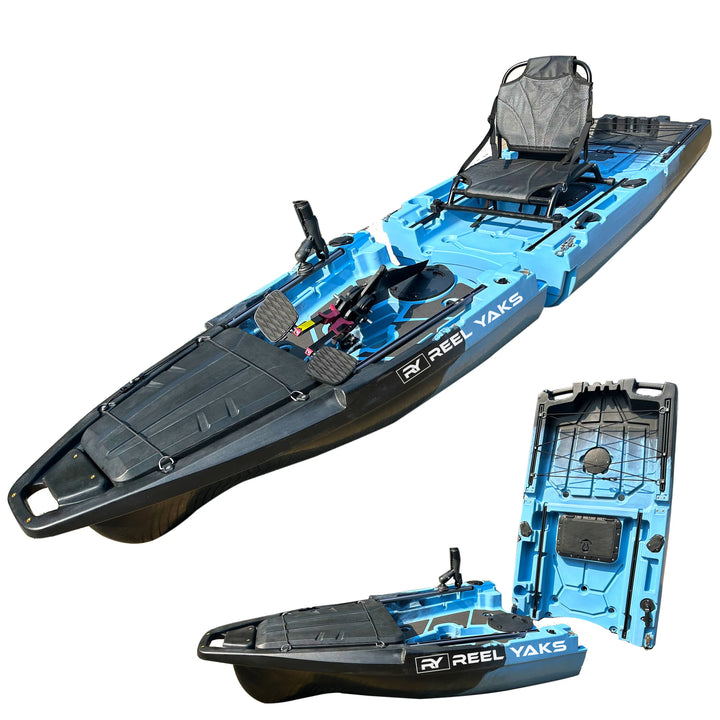
This is where modular kayak design shifts from "interesting feature" to genuine advantage. When your kayak breaks into sections that each weigh between 27 and 51 pounds—well within NIOSH's 51-pound single-person lift guideline—you're no longer dependent on help, roof racks, or favorable parking spots. You're self-sufficient across all three days.
The 72-Hour Gear Audit (Do This One Week Out)
Start your veterans day kayak prep seven days before launch. Not the night before. Not the morning of. Seven days out gives you time to order replacement parts, repair damaged equipment, or adjust your plan based on what you actually have versus what you thought you had.
Begin with your PFD. Check every buckle, every zipper, every D-ring. If it's an inflatable model, when did you last test the CO2 cartridge? If it's foam, are the flotation panels still intact or are you wearing a sun-bleached shell that's lost half its buoyancy?
Next, paddle and drive system. For modular kayaks with fin drives, inspect the mounting bracket for cracks and the fin itself for stress points along the leading edge. The quiet, shallow-water performance of a fin drive makes it ideal for sneaking into back bays, but only if the components are sound. Prop drive users should check for fishing line wrapped around the prop shaft—a common issue that causes resistance and drains battery life on electric systems.
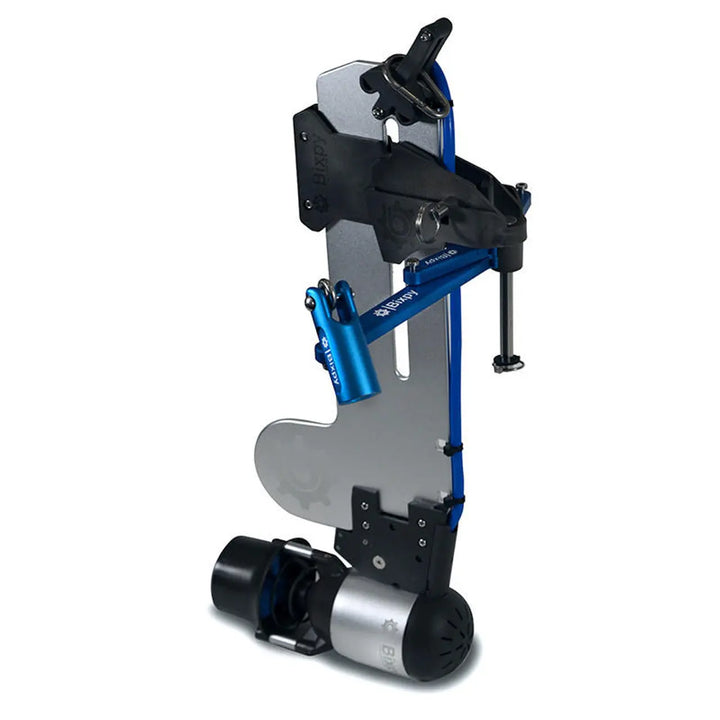
Speaking of batteries: if you're running a Bixpy electric motor bundle, charge it fully this week, then let it sit for 24 hours and check voltage. A battery that can't hold charge won't reveal itself until you're two miles from the launch watching the indicator drop. The USB-C charging on Bixpy systems is convenient, but you still need to confirm the battery's health before a long weekend.
Tackle organization deserves its own evening. Don't just assume your boxes are ready. Open every one. Check split rings for rust. Test drag systems on reels. Respool any line showing abrasion. A three-day weekend means you might fish topwater at dawn, switch to jigs by midday, and throw swimbaits at dusk—all on the same day, then repeat the pattern twice more. You need redundancy in every category.
Weather Contingency Planning for Multi-Day Launches
Check the extended forecast one week out, then again three days before, then daily as the weekend approaches. Don't just look at temperature and precipitation. You need wind speed, wind direction, and hourly breakdowns.
A forecast showing 8 mph northeast winds Saturday, 15 mph southeast Sunday, and 12 mph southwest Monday tells you three completely different stories. Saturday might be perfect for the north shore launch. Sunday could make that same spot a washing machine while opening up southern exposures that were blown out the day before. Monday's shift might split the difference, offering a short window on west-facing points.
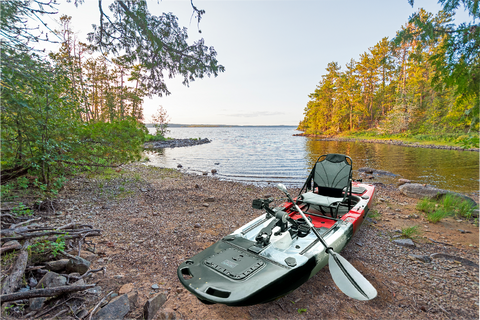
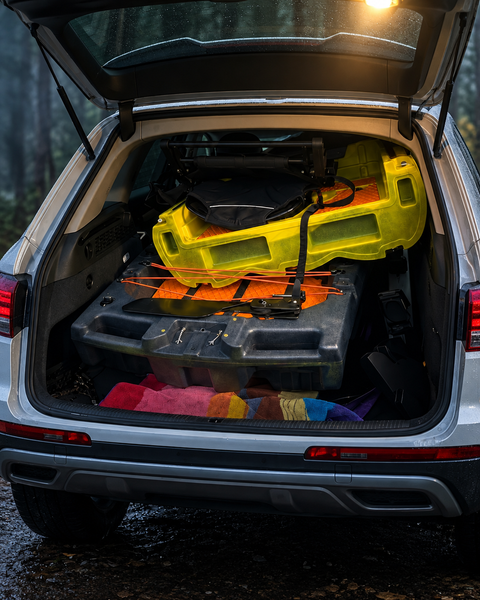
This is where car rotation strategy matters. If you're fishing different bodies of water across the three days, you can stage gear in your vehicle based on the forecast. Most modular kayaks fit inside mid-size SUVs with rear seats folded—models like the Honda Odyssey, Toyota RAV4, Ford Edge, Kia Soul, even a Toyota Camry accommodate the sections without requiring a roof rack.
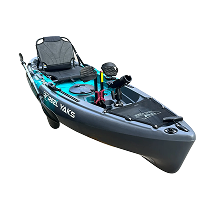
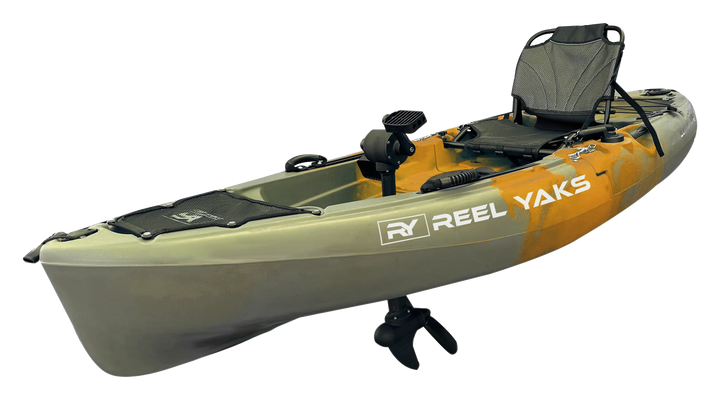
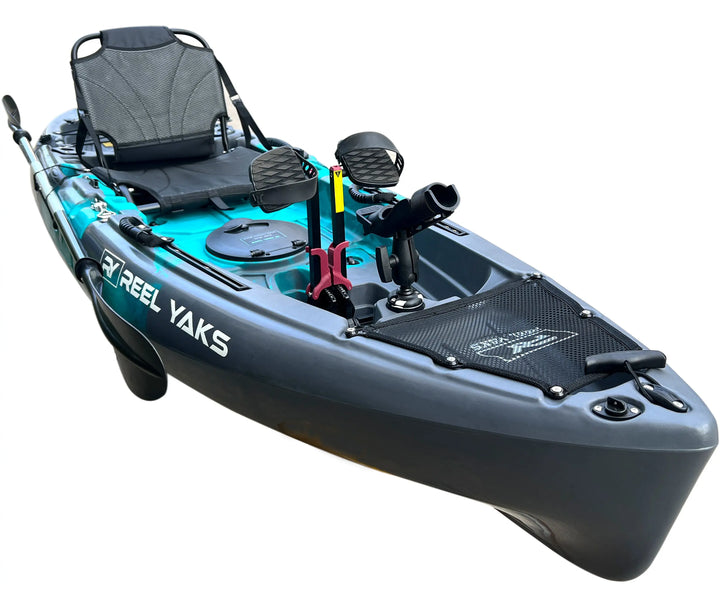
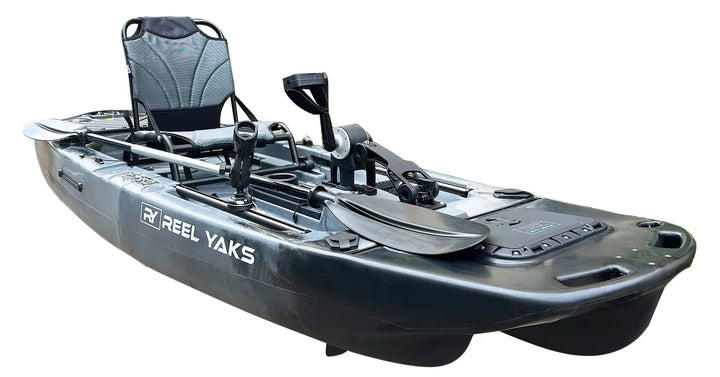
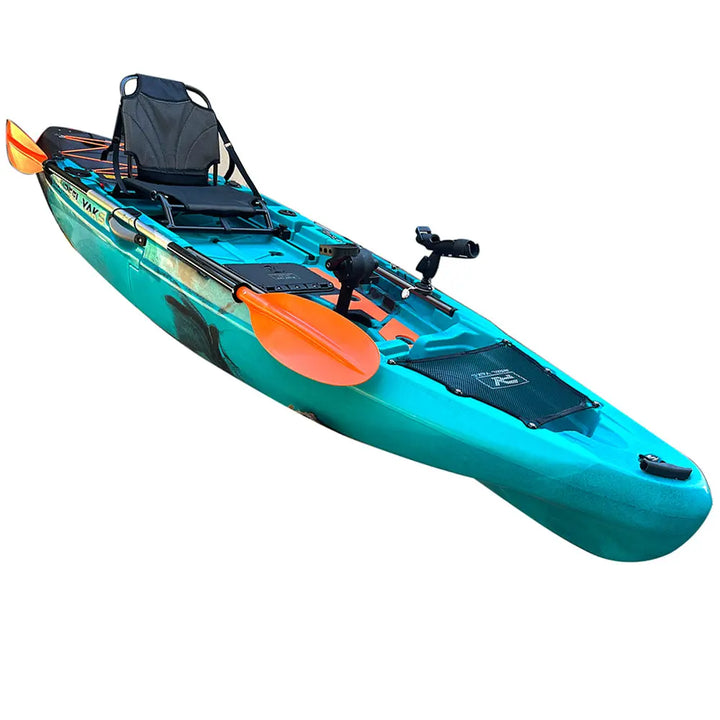
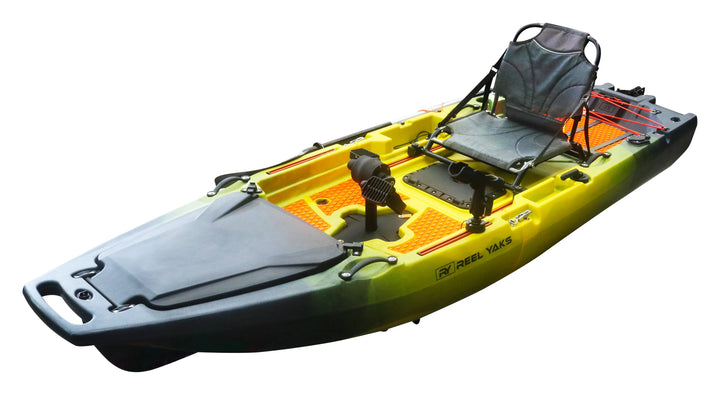
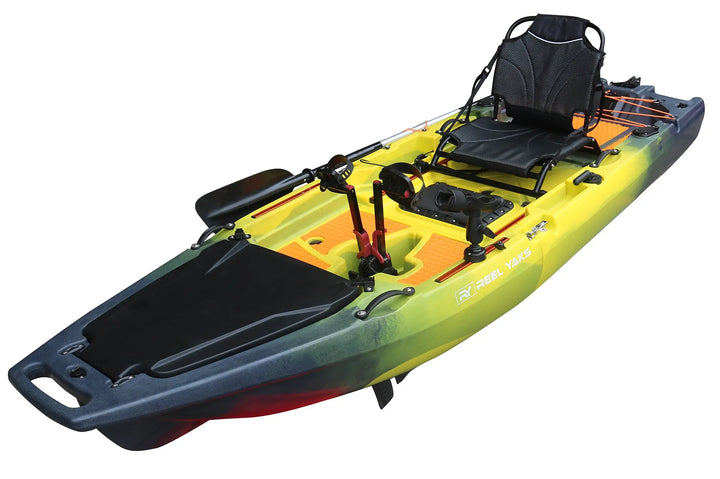
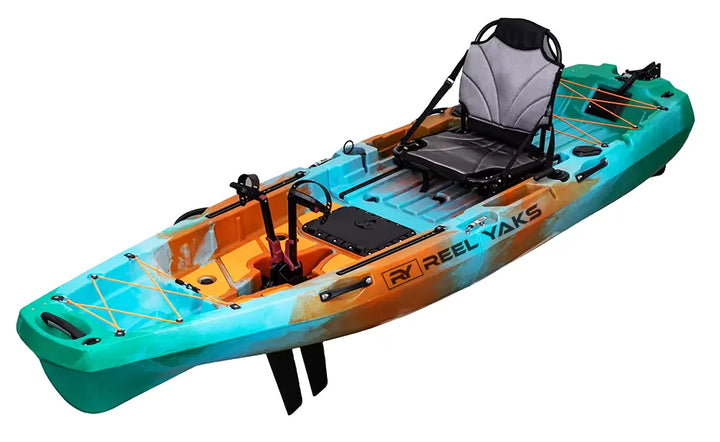
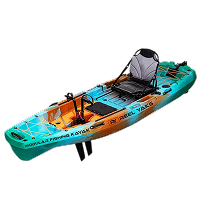
That means you can pre-load different configurations. Expecting rough water Sunday? Keep the shorter, more maneuverable 9.5-foot Raptor accessible for quick in-and-out trips. Planning an all-day exploration Monday? Have the 10.8-foot Rapido positioned for easy access, its 440-pound capacity handling extra gear for extended range.
Pack a weather backup bin that lives in your vehicle all weekend: extra dry bags, a packable rain jacket, chemical hand warmers for unexpected cold snaps, and a backup sun shirt if the forecast flips warm. The bin stays in the car between launches so you're never making emergency runs home for gear.
The Modular Advantage for Multi-Launch Weekends
Traditional rigid kayaks force a painful choice on three-day weekends: leave the kayak on your roof rack between trips (exposing it to theft, sun damage, and stress on your crossbars) or unload and reload it six times across 72 hours.
Modular kayaks eliminate the choice entirely. At the end of day one, you separate the sections in under five minutes—no tools required—and slide them into your vehicle. They're secure, protected from weather, and impossible to steal from a hotel parking lot if you're traveling to different fisheries.
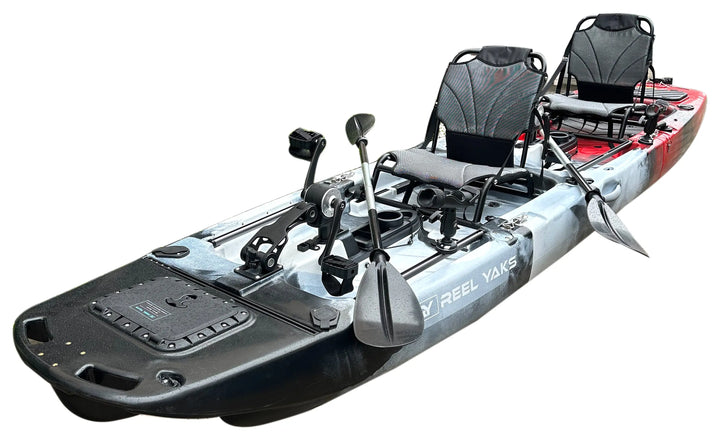
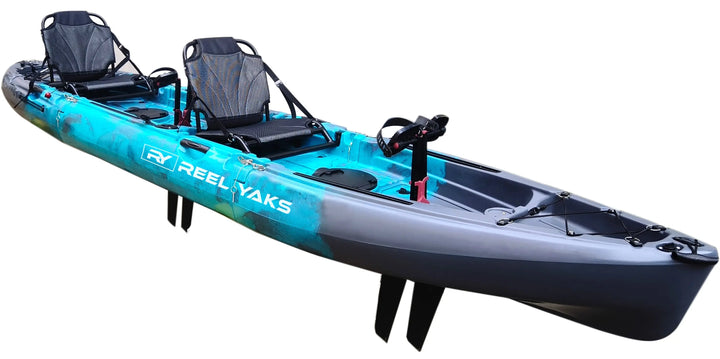
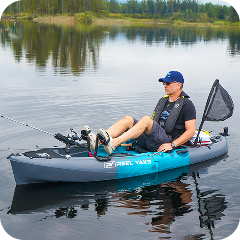
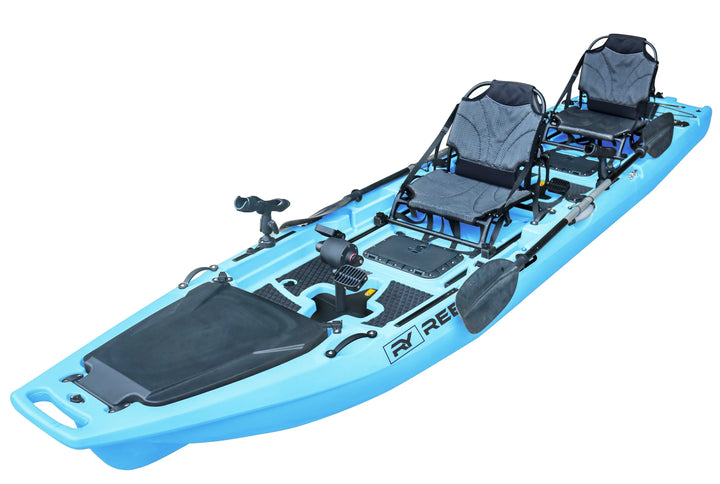
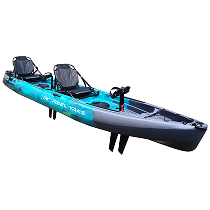
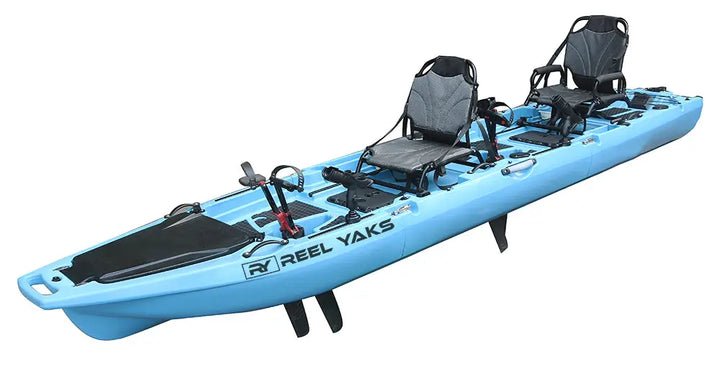
More importantly, you can reconfigure between days. The Reel Yaks modular system lets you swap drive types, adjust seating positions, or even switch between solo and tandem configurations if you're running the 12.5 to 14-foot tandem model that converts between layouts.
Say you fish solo Saturday, connecting with a fellow angler that evening who wants to join Sunday. With a modular tandem, you're adding the third section and second seat in minutes. Monday, you're back to solo without any complicated disassembly or special tools.
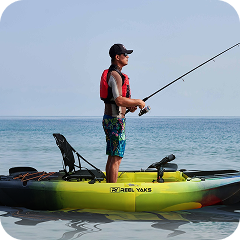
The rotomolded polyethylene hull—the same material used in traditional rigid kayaks—means you're not sacrificing durability for this flexibility. The w-hull design remains stable enough for standing casts in calm to moderate conditions across all three days, whether you're configured at 9.5 feet or stretched to the full 10.8-foot length.
Daily Rotation Strategy: Loading Smart, Not Hard
Here's the system that keeps your back healthy and your enthusiasm high across all three days:
Night Before Each Launch: Do your final pack in stages. Crate one holds safety gear (PFD, whistle, first aid, communication device). Crate two holds tackle organized by technique. Crate three holds comfort items (water, snacks, sun protection, extra layers). Crates load into the vehicle in the same order every time, so you're not searching for critical items in pre-dawn darkness.
Morning Routine: Arrive at the launch 20 minutes earlier than you think you need. Assemble your modular kayak sections before other anglers arrive and clutter the ramp area. The sub-5-minute assembly time means you're not rushing, not sweating through your first layer before you've even launched, and not drawing a crowd of onlookers blocking access.
Post-Session: Rinse everything, even if you're in freshwater. Morning dew, splash, and foot traffic track sediment into connection points. A quick rinse after each day prevents grit buildup that could affect day three's assembly. Separate sections while they're still wet if needed—you're not trying to break apart dried, salt-crusted connections on Monday morning.
Gear Rotation: Don't use the same rod setup all three days just because it's already rigged. Your arms need variety as much as your tackle selection does. Switching between casting and spinning, between heavy and ultralight, between 7-foot and 9-foot rods distributes repetitive stress across different muscle groups. Pack enough variety to rotate daily.
Capacity Planning Across the Range
Weight capacity matters more on day three than day one. You start the weekend fresh, optimistic, probably under-packed. By day three, you've accumulated bait containers, extra layers that weren't needed, gear borrowed from other anglers, and—if you're lucky—fish headed for the cooler.
The base models (Raptor and Raider at 9.5 feet) offer 380-pound capacity. That's sufficient for most solo anglers with moderate gear. But if you're the type who brings "just in case" backup equipment, or if you're fishing in areas where you need to pack water and supplies for extended paddles, the mid-range models offer breathing room.
The Rocket (9.8 feet, 400 pounds) and Radar (10 feet, 430 pounds) split the difference. The Radar has emerged as the most popular model in the lineup, likely because that 430-pound capacity accommodates the angler, full gear spread, and the inevitable additions that accumulate across a long weekend without approaching limits.
For anglers serious about technology, the Recon (10.5 feet, 430 pounds) adds a dedicated transducer mount. If you're using these three days to pattern fish with electronics, running depth contours and marking structure for future trips, the Recon's integrated mount means your transducer stays positioned correctly across all three days—no readjustment, no recalibration between sessions.
The Post-Weekend Protocol That Sets Up Next Time
Monday evening, when you're exhausted and tempted to dump everything in the garage for "later," is when next trip's success is determined.
Rinse every section thoroughly, even if you did quick rinses between days. Use a mild soap solution on high-wear areas—seat tracks, drain plugs, rod holder mounts. Inspect while you clean. That small crack you ignore Monday becomes a through-hull failure by Thanksgiving weekend.
Dry everything completely before storage. Modular sections can be stored vertically in corners, closets, or along garage walls—they don't need the horizontal space of a traditional 10-foot kayak. But they still need to be dry. Trapped moisture in connection points can degrade seals over the off-season.
Create a "restock" list immediately while the weekend is fresh. What did you run out of? What did you wish you had? What worked so well you want duplicates? That list becomes your shopping guide for the next holiday weekend, eliminating the scramble that turns veterans day kayak prep into veterans day panic.
Download your electronics data if you run GPS or fish finders. Mark productive spots, note water temperatures, log what techniques worked when. A three-day weekend generates enough data to inform the next six months of fishing if you capture it systematically.
Why Veterans Day Weekend Matters Beyond the Fishing
This holiday honors those who served. For many anglers, time on the water isn't just recreation—it's therapy, meditation, connection to something larger than daily stress. Three consecutive days offers something a single Saturday can't: the chance to fully decompress, to fish beyond the "I must catch something today" desperation that plagues limited time.
Proper veterans day kayak prep ensures the logistics don't undermine that opportunity. When your gear works, when your body isn't fighting equipment, when you're not wasting mental energy on what you forgot or what might break, you're free to actually be present on the water.
The modular kayak approach—sections light enough for one person, assembly quick enough to avoid stress, flexibility to adapt across changing conditions—aligns with that goal. It removes the friction between intention and execution.
Over 780 verified customer reviews suggest other anglers have discovered this alignment. The systems work not because they're revolutionary, but because they're practical. They solve the specific problems that emerge when you try to fish seriously, repeatedly, without a support crew or unlimited budget.
Veterans Day weekend is your proof of concept. Pack once, fish three times, modify as needed. If the system holds up—if you finish Monday energized rather than depleted—you've found your template for every future long weekend.
The water's waiting. Your calendar is clear. Now make sure your veterans day kayak prep matches your ambition. Because nothing derails a perfect fishing weekend faster than discovering Saturday morning that you're not actually ready.
Fish More. Haul Less. No Roof Rack Required.
Reel Yaks modular pedal fishing kayaks break into 2–3 compact sections that fit in your car boot, store in your apartment, and assemble in 5 minutes — no roof rack, no garage, no heavy lifting. Browse all Reel Yaks modular fishing kayaks →