

When three military veterans decided to launch a kayak fishing charter service together, they didn't realize their biggest operational challenge would have nothing to do with fish, weather, or even difficult clients. The real problem? Getting six to eight kayaks to the water every morning without throwing out someone's back or burning two hours of prime fishing time on logistics alone.
That single friction point nearly killed their business dream before it launched. But the solution they found—and the broader approach they've taken to running a veteran-owned charter operation—offers valuable insights for anyone considering the kayak guide life or simply wondering what separates a successful charter from one that folds after a season.
The Mission Behind the Business
The three partners met through a veteran transition program focused on outdoor recreation as therapy. All three had completed multiple deployments, and all three found that time on the water provided something clinical settings couldn't quite replicate—a sense of purpose combined with the kind of calm that only comes from watching a sunrise from a kayak while waiting for the bite to turn on.
Their charter service was built around a dual mission from day one. First, provide exceptional guided fishing experiences for paying clients—the economic engine that keeps the lights on. Second, offer subsidized and free trips for veterans dealing with transition challenges, using fishing as both recreation and informal peer support.
That second mission isn't just feel-good window dressing. It's central to their brand identity and drives meaningful word-of-mouth referrals. Local veteran organizations, VA counselors, and transition coordinators regularly send people their way. Those connections have proven more valuable than any paid advertising.
The business model works because the partners treat it as a real business, not a hobby with a tax ID. They're licensed, insured, permitted on the waters they fish, and they maintain the kind of safety and operational standards that allow them to sleep at night when they've got clients on the water.
The Daily Workflow That Makes or Breaks a Charter Day
A typical charter day starts at 4:30 AM, regardless of the season. The night before, one partner confirmed the next day's clients, checked the marine forecast for the third time, and prepped the gear bags. Everything that can be organized the night before gets organized—PFDs inspected and assigned by size, first aid kit restocked, rods rigged, tackle boxes inventoried.
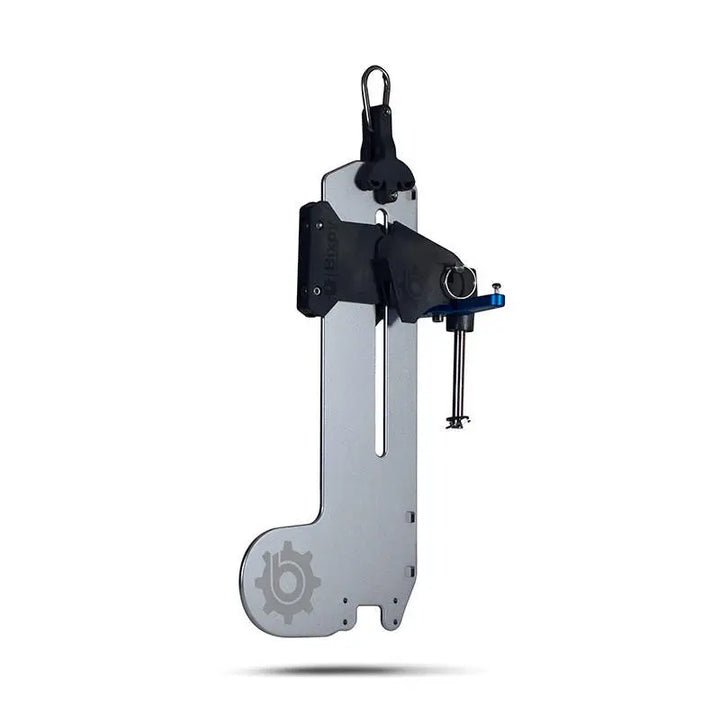
By 5:00 AM, they're loading kayaks. This is where that early logistical crisis came to a head during their first season. They started with traditional 12-foot rotomolded fishing kayaks—excellent boats, but each one weighed 70-85 pounds empty. Loading eight of them onto a trailer, driving to the launch site, then unloading and shuttling them to the water meant heavy lifting, multiple trips, and chronic lower back strain for all three partners.
One of the veterans had ongoing service-connected back issues. Another had a shoulder that couldn't take sustained overhead lifting. The physical toll of simply moving boats was eating into their capacity to guide safely and attentively once clients hit the water. They were starting each day already partially exhausted.
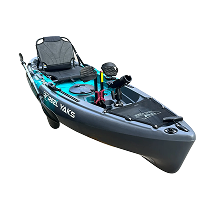
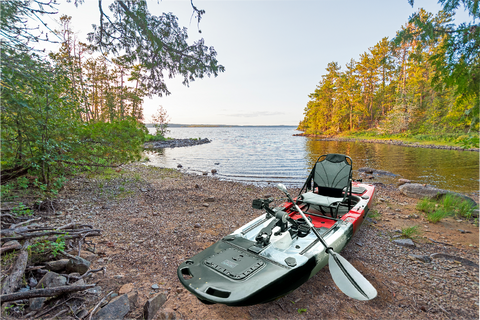
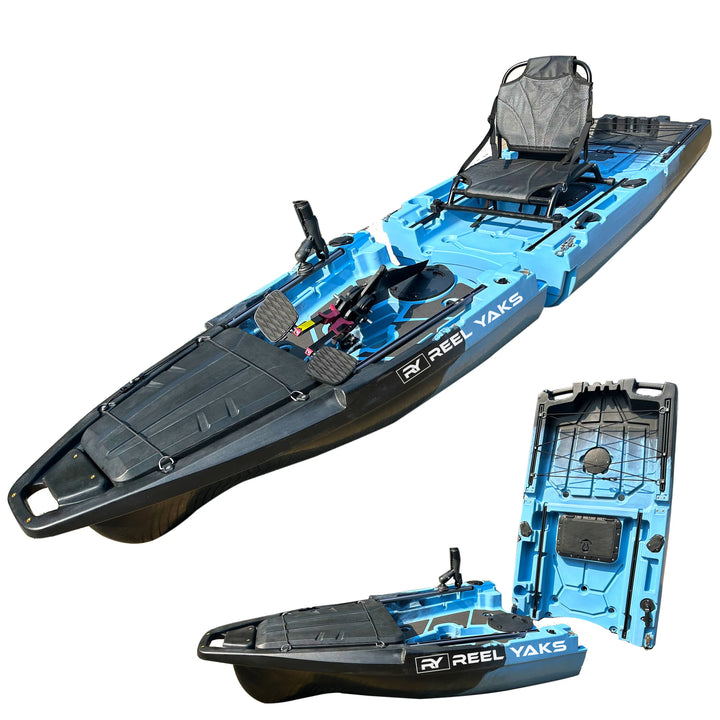
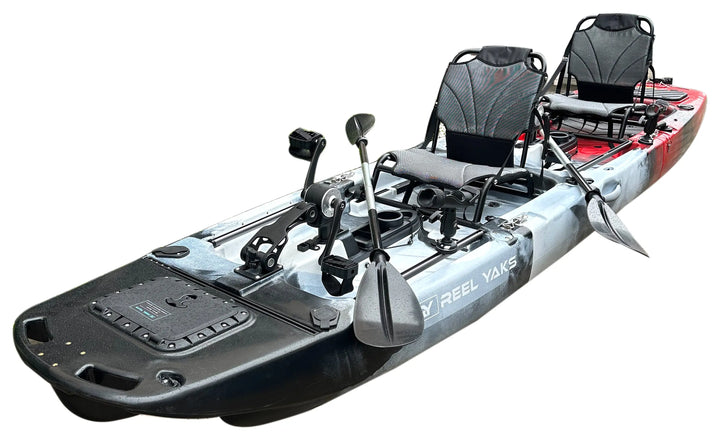
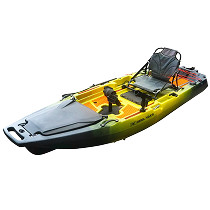
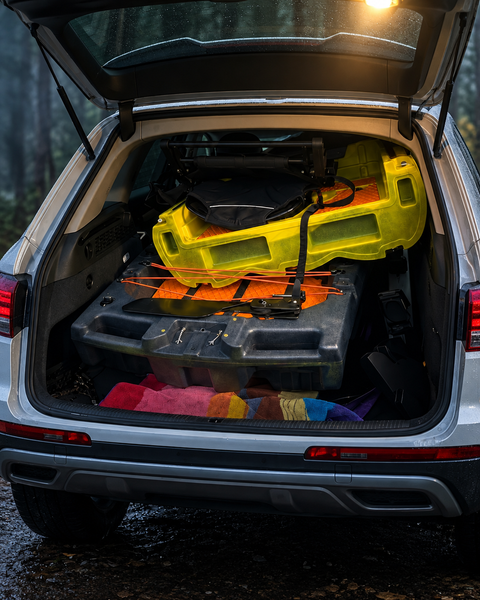
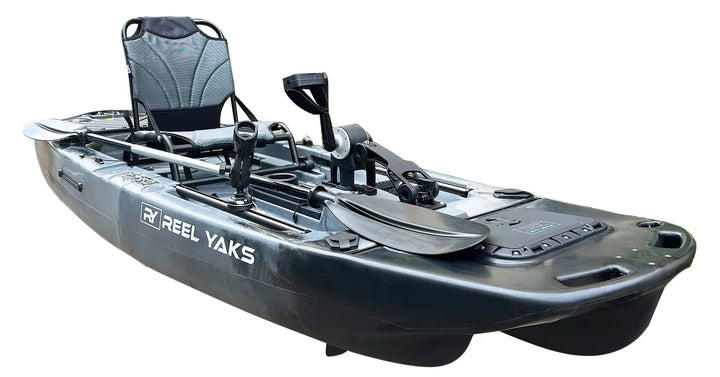
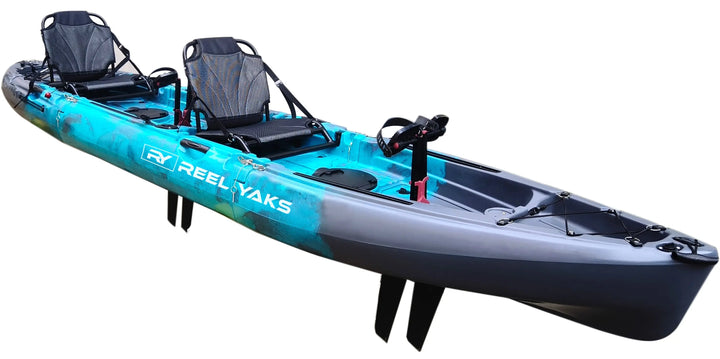
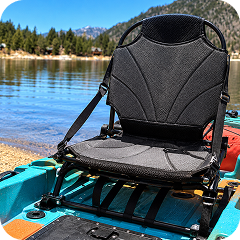
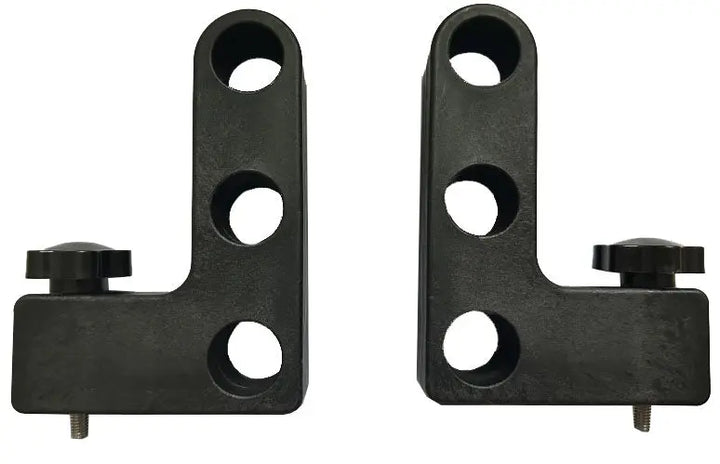
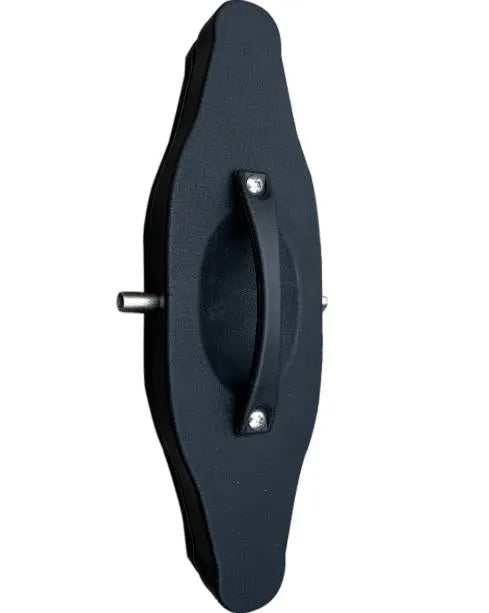
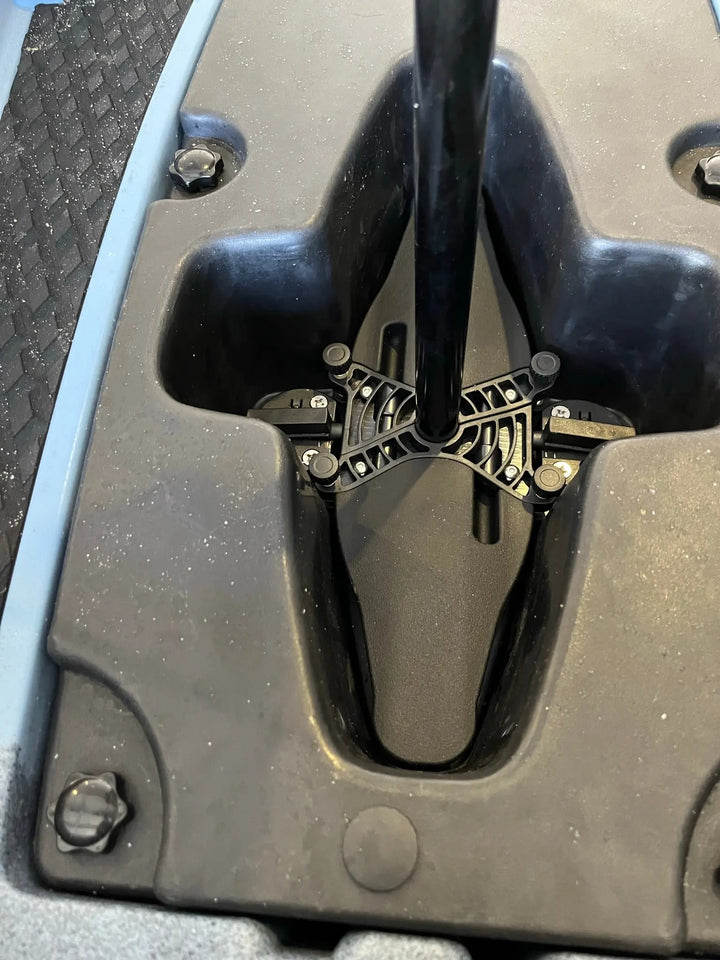
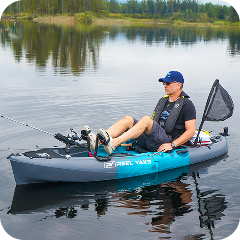
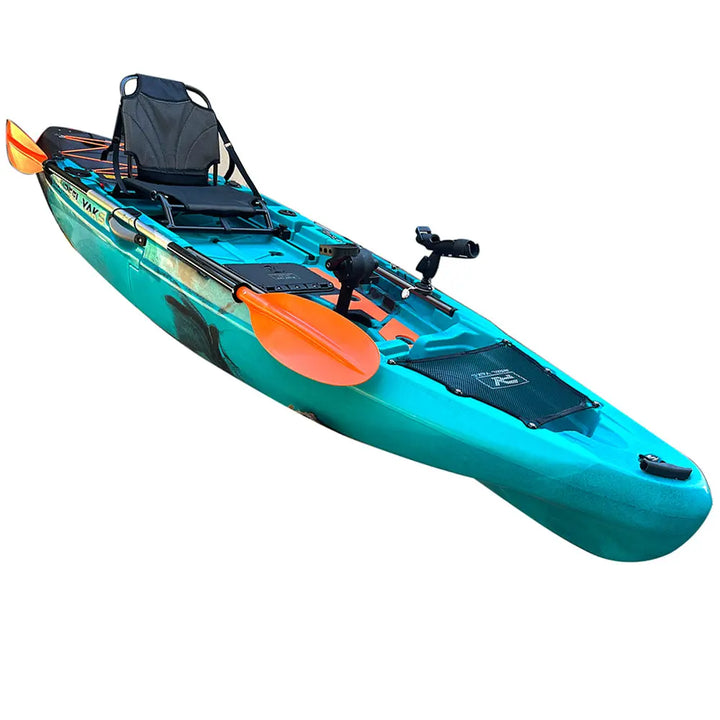
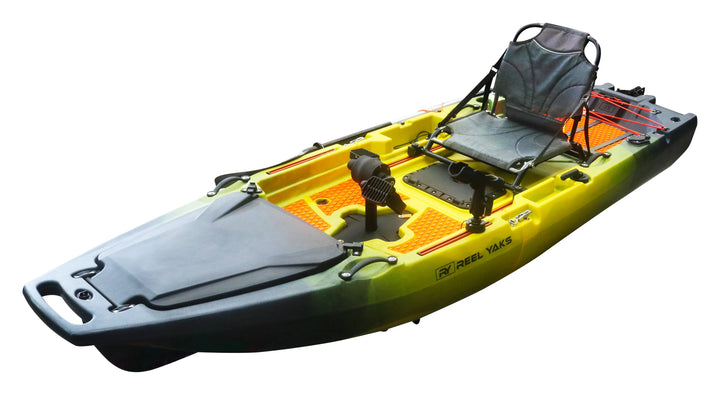
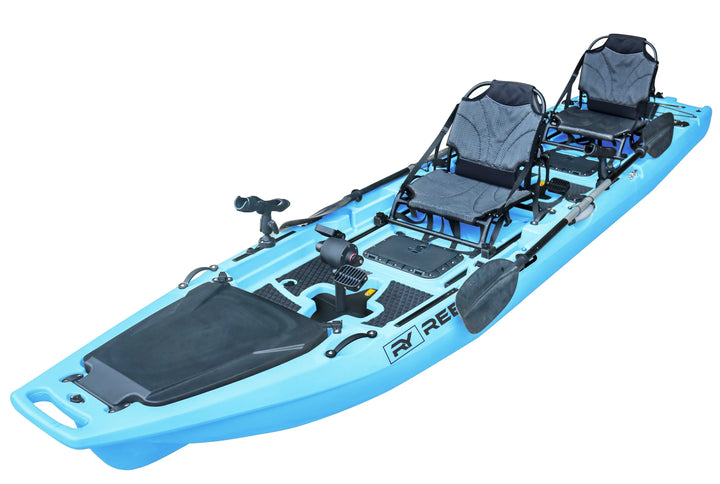
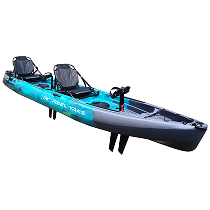
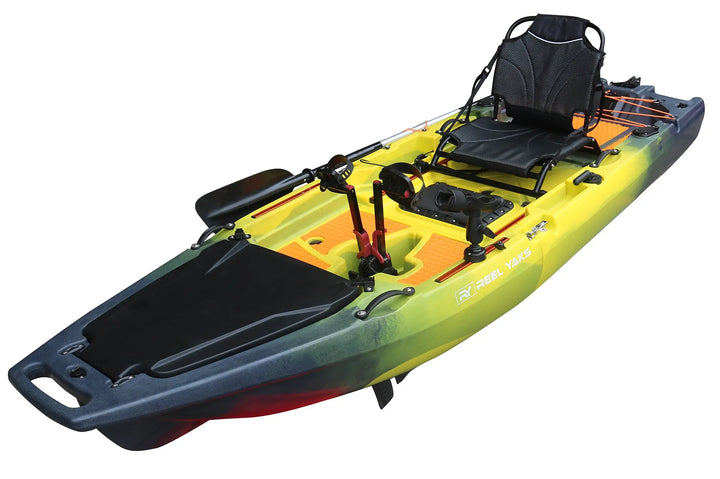
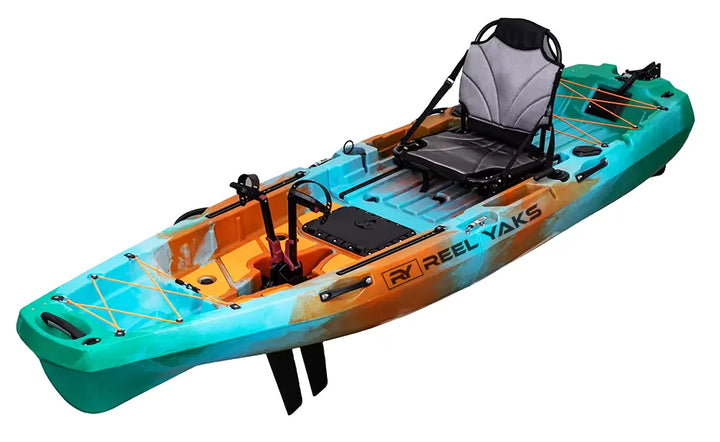
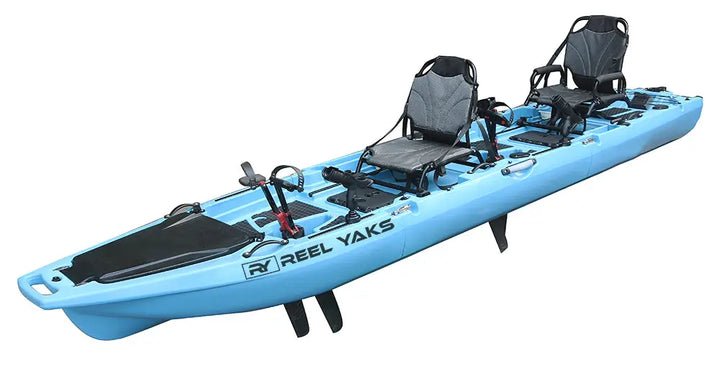
The solution came from an unexpected place. While researching lighter kayak options, they discovered modular sectional kayaks where each piece weighs between 27 and 51 pounds—well within the NIOSH single-person lift guideline. The Reel Yaks modular lineup allowed them to break down each kayak into two or three manageable sections that stack efficiently and can be moved by one person without strain.
The switch cut their loading time nearly in half and eliminated the chronic injury cycle. Instead of three people struggling with 75-pound boats, one person can comfortably carry a 40-pound section while another grabs the 35-pound section. For a charter operation running five or six days a week during peak season, that difference compounds into the ability to sustain the business long-term without destroying anyone's body.
Gear Selection for Durability and Client Success
Charter operators can't afford gear that needs constant babying or fails in the field. When you're responsible for clients who've paid for an experience—and in some cases, clients who are using fishing as part of their mental health recovery—equipment failure isn't just inconvenient, it's potentially dangerous and definitely reputation-damaging.
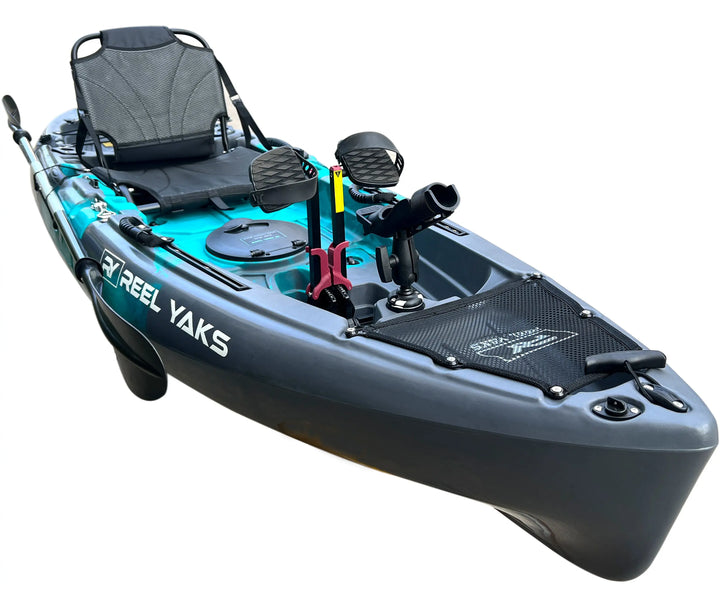
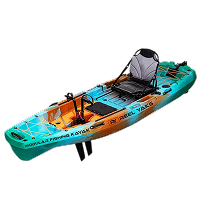
The veterans run a mixed fleet of kayaks in different sizes to accommodate different paddler sizes and skill levels. Their most popular charter boat is the 10-foot model with a 430-pound capacity—enough for a larger angler plus gear, stable enough for confident beginners, maneuverable enough for experienced paddlers. For bigger clients or those who want maximum stability, they have 10.5-foot and 10.8-foot options that offer additional capacity and width.
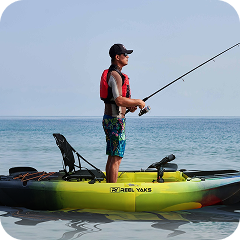
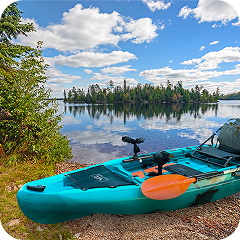
Every kayak in their fleet uses a W-hull design that provides enough stability for standing casts in calm to moderate conditions. That capability matters because sight-fishing from a standing position is often the highlight of a guided trip, and clients love getting photos of themselves standing in the kayak with a fish. The ability to deliver that experience safely, even for less experienced paddlers, directly translates to positive reviews and repeat bookings.
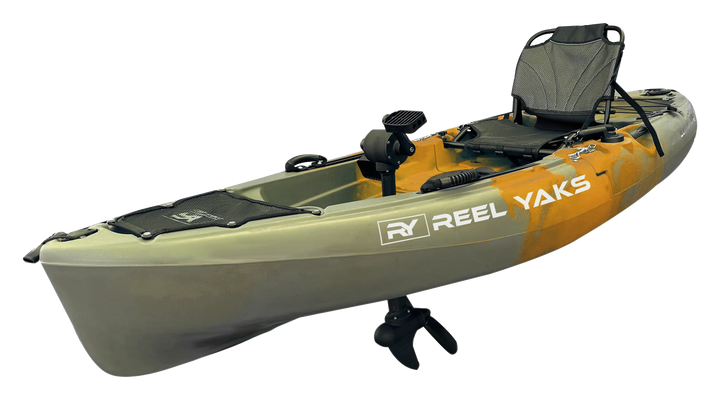
For propulsion, they offer both fin drive and prop drive options. The fin drives are quieter and better for shallow water stalking—ideal for their redfish and speckled trout charters in grass flats and marsh systems. The prop drives with instant reverse are reserved for situations where clients need maximum control, like navigating current or docking precisely around structure.
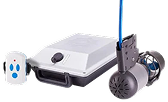
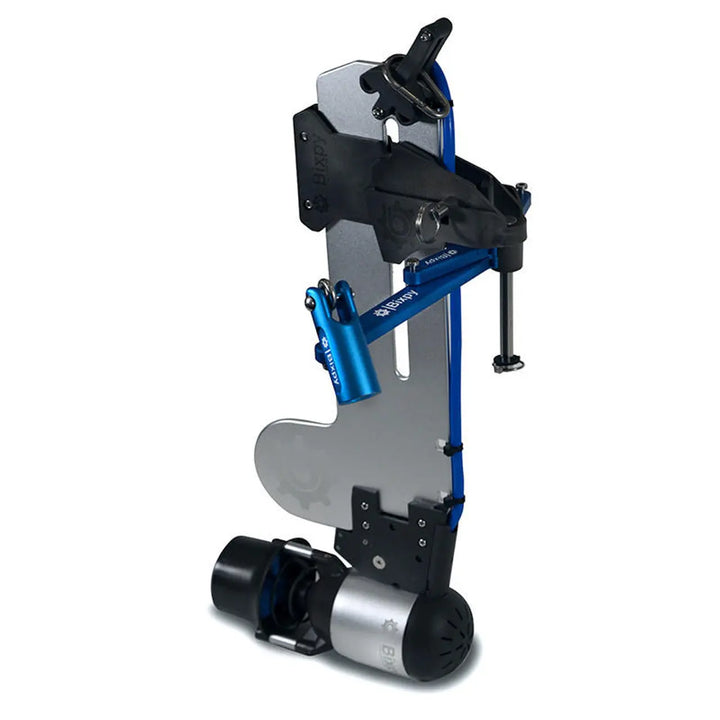
They've also added electric motor bundles to several kayaks for clients with limited upper body strength or stamina. The USB-C rechargeable motors require no drilling or permanent modification, which means they can swap them between boats as needed based on who's booked for the day. One partner noted that offering electric-assist options expanded their potential client base significantly—seniors, people with disabilities, and those recovering from injuries can now book with confidence.
The Clients Who Keep Coming Back
Their client mix breaks down into three main categories. First, tourists and visiting anglers looking for a unique local experience—these are typically one-time bookings, though some become annual repeats when they vacation in the area. Second, local anglers who want to level up their kayak fishing or access spots they can't reach on their own. Third, veterans and first responders using the experience therapeutically, either paying reduced rates or coming through referral partnerships.
The most satisfying clients, all three partners agree, are the complete beginners who arrive nervous and leave transformed. There's something about spending four hours on the water in a kayak, catching fish, that shifts people's self-perception. For veterans in particular—those transitioning out of military structure, dealing with PTSD, or struggling to find new purpose—a successful day on the water can be a turning point.
One partner describes a trip with a veteran who hadn't been fishing since childhood, dealing with severe anxiety and isolation after discharge. Four hours into the charter, the guy landed a 26-inch redfish on light tackle. The whoop of triumph, the genuine smile, the photos he insisted on taking—it was the first time in months, he said later, that he'd felt truly present and engaged with something positive.
Those moments are why the charter exists, but they're only possible because the underlying business operations work smoothly enough to create space for them.
Safety Protocols That Build Trust
The military background of all three partners shows most clearly in their approach to safety and risk management. Every client gets a thorough brief before launching: PFD requirements, communication protocols, what to do if they capsize, how to signal for help, weather conditions and what changes would require coming off the water.
They carry marine radios, fully stocked first aid kits, and emergency position-indicating beacons on every trip. One kayak in every group is equipped with a rescue throw bag and extra paddle. They maintain line of sight with all clients and establish check-in intervals based on conditions and client skill level.
The modular kayaks contribute to safety in an unexpected way. Because they break down into sections, they can be reassembled on the water if necessary. On one trip, a client's kayak took hull damage from an underwater stump. Rather than ending the day or attempting a difficult tow in choppy water, they were able to swap out the damaged section with a spare they keep in the support boat, getting the client back in action in under ten minutes.
That kind of adaptability reduces the pressure on guides to make risky decisions when things don't go according to plan.
The Business Reality Behind the Dream
Running a charter service is harder than it looks from the client side. Beyond the actual guiding, there's marketing, booking management, permit renewals, equipment maintenance, insurance, accounting, and the constant weather monitoring that determines whether tomorrow's trip runs or gets rescheduled.
The veterans split responsibilities based on strengths. One handles most of the marketing and social media—trip photos, fishing reports, client testimonials. Another manages the books and regulatory compliance. The third focuses on equipment maintenance and logistics. All three guide trips, and all three can cover any role when someone's sick or dealing with family obligations.
Revenue is seasonal, peaking in spring and fall when weather is optimal and fish are most active. Summer brings heat challenges and afternoon thunderstorms that cut trip windows short. Winter limits bookings to hardy locals and the occasional adventure tourist. They've learned to save aggressively during peak months and develop off-season income through kayak fishing classes, gear consultations, and partnerships with local hotels and tourism boards.
The veteran-focused mission helps during lean months. Grant funding, nonprofit partnerships, and corporate sponsorships tied to veteran causes provide some revenue stability beyond direct charter bookings. It also gives them a reason to stay engaged with the community and maintain their skills even when paid trips are sparse.
Lessons for Aspiring Kayak Guides
Asked what they'd tell someone considering starting their own kayak charter, the three veterans offer surprisingly consistent advice. First, treat it as a business from day one—get proper licensing, insurance, and permits before you run your first paid trip. The legal and financial consequences of operating without proper coverage aren't worth the risk.
Second, invest in gear that can take daily commercial use without constant repair. Charter equipment gets abused in ways recreational boats never experience. Clients aren't careless, but they lack the familiarity that prevents minor damage, and they're using the gear in conditions you might personally avoid.
Third, develop operational systems that reduce physical strain and maximize efficiency. The job is already physically demanding enough—time on the water, in the sun, constantly paddling and positioning and demonstrating techniques. Don't add unnecessary strain through poor logistics or equipment choices that destroy your body over time.
Fourth, find your niche and mission beyond just "fishing guide." The market for generic guided trips is crowded and competitive. What makes your service different? For these three veterans, their military background and commitment to serving other veterans created a distinct brand identity that resonates with specific clients and opens doors traditional marketing can't.
Finally, build in sustainability from the start. You can't guide trips if you're injured, burned out, or financially underwater. Design your operation to be maintainable over years, not just exciting for the first season.
Why the Mission Matters More Than the Money
None of the three partners is getting rich running this charter service. In a good year, it provides a modest middle-class income for work that includes long hours, weather exposure, and constant physical demands. But ask whether they'd trade it for a higher-paying indoor job, and the answer is immediate: absolutely not.
The satisfaction comes from building something meaningful with people you trust, serving a community that served alongside you, and spending every work day doing something that felt impossible to access during the years in uniform—getting paid to fish.
More than that, it comes from those moments when a client—especially a veteran struggling with transition—feels that shift from going through the motions to being genuinely present. When someone who hasn't felt excited about anything in months suddenly lights up because a redfish just crushed their topwater lure. When the constant background noise of anxiety quiets down for a few hours because there's nothing to do except watch the water and wait for the next bite.
Those moments don't pay the bills directly, but they're the reason the bills matter. They're what transforms "I run a fishing charter" into "I built something that changes lives, including my own."
The three veterans understand something that took them years in the service to learn: mission success isn't always measured in metrics or promotion rates. Sometimes it's measured in sunrise launches, in clients who book their second trip before the first one ends, in the message from a veteran's spouse saying thank you for giving her husband his first peaceful day in months.
That's the real work of a veteran-led kayak charter. The fishing is just how it happens.
Fish More. Haul Less. No Roof Rack Required.
Reel Yaks modular pedal fishing kayaks break into 2–3 compact sections that fit in your car boot, store in your apartment, and assemble in 5 minutes — no roof rack, no garage, no heavy lifting. Browse all Reel Yaks modular fishing kayaks →