


You've passed over dozens of promising pools, and your nymph rig has drifted through every seam you can identify. Then you notice a slight disturbance where the pool shallows into the riffle below—a tail-out barely three feet deep. On your next cast, a chunky brown hammers your indicator under. Two drifts later, another fish. The pattern repeats itself through November: while most anglers work the deep slots and undercut banks, trout are stacked in tail-outs like customers at a convenience store.
Understanding why trout favor these transition zones during late fall transforms your approach to November fishing. The behavior isn't random—it's driven by energy economics, oxygen availability, and survival instinct. And when you're fishing from a kayak, you have distinct advantages for working tail-outs that wade anglers simply can't match.
The Energy Economics of Tail-Out Positioning
Trout are cold-blooded creatures governed by a simple rule: calories consumed must exceed calories burned. As water temperatures drop through November, trout metabolism slows but never stops. They still need to feed, but they're increasingly selective about where they position themselves to intercept food.
Tail-outs offer an ideal energy equation. The water has slowed from the main pool current but hasn't accelerated into the riffle chaos below. A trout can hold position with minimal effort—a few lazy fin adjustments rather than constant muscular work. Meanwhile, the converging current acts as a conveyor belt, funneling drifting insects, nymphs, and small baitfish directly to waiting fish. It's the aquatic equivalent of standing at the end of a buffet line.
The depth matters too. Most November tail-outs run two to four feet deep—shallow enough that trout don't waste energy maintaining vertical position in the water column, but deep enough to provide security. During late fall, when insect hatches become sporadic and unpredictable, trout in tail-outs can feed on subsurface nymphs constantly tumbling through the zone without burning excessive calories chasing individual targets.
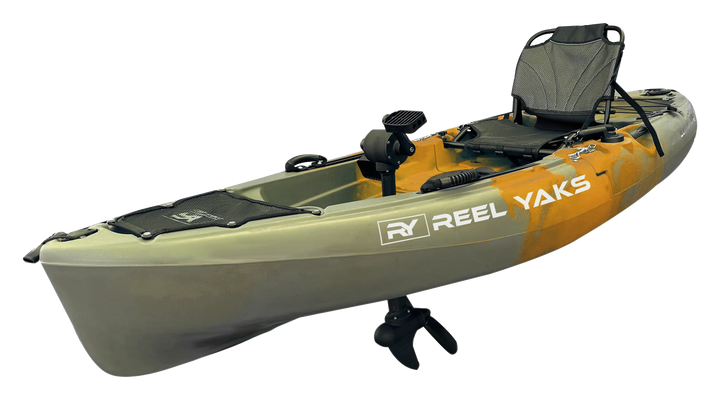
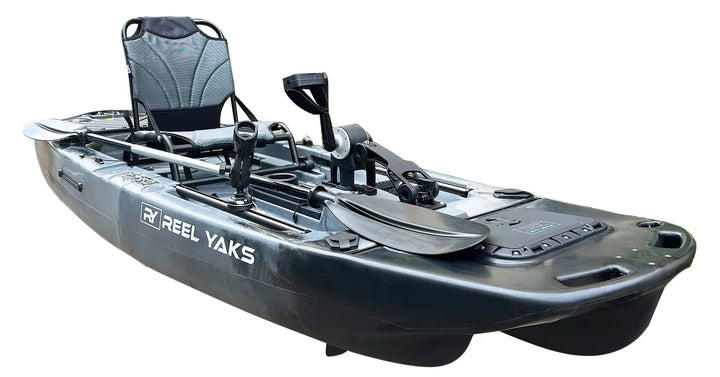
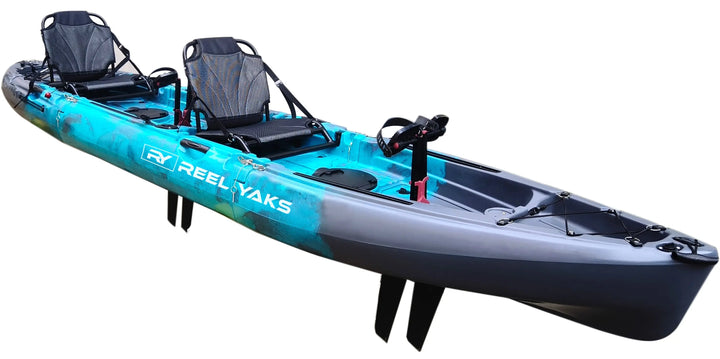
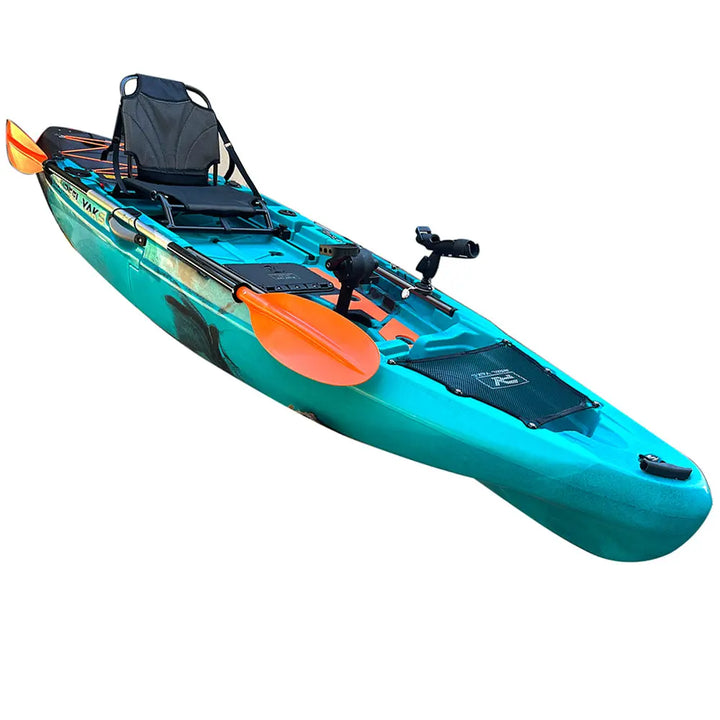
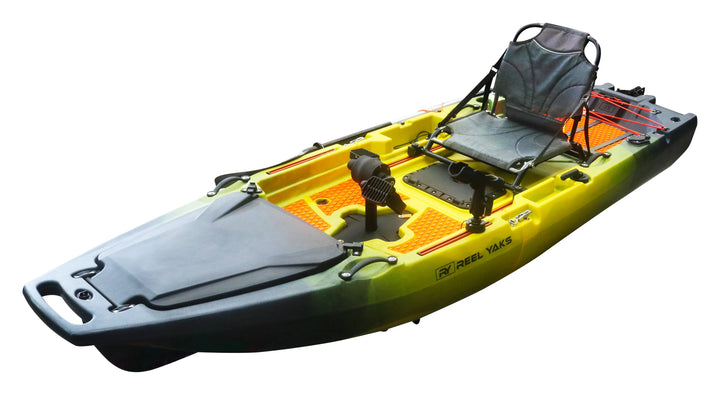
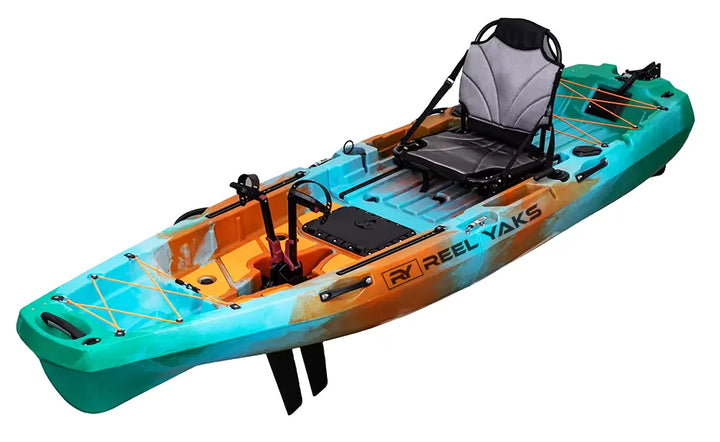
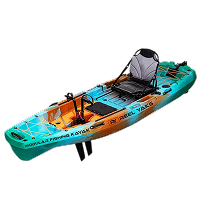
From a kayak perspective, this concentration creates opportunity. Rather than covering miles of water searching for scattered fish, you can focus your efforts on these high-percentage zones. A Raptor 9.5ft allows you to position silently above tail-outs, working each zone methodically before moving to the next transition downstream.
Oxygen Levels and Temperature Layering
November water carries more dissolved oxygen than summer flows, but distribution isn't uniform throughout a stream system. Tail-outs function as natural aerators—the transition from pool to riffle creates turbulence that mixes oxygen into the water column. For trout, this means they can hold in relatively shallow water without experiencing oxygen stress that might drive them deeper in warmer months.
The oxygenation effect intensifies during November cold snaps. When overnight temperatures drop below freezing, the churning water at tail-outs prevents ice formation longer than in slack pools. Trout instinctively recognize these zones as reliable feeding stations even as temperatures fluctuate. You'll often find the largest fish positioned at the crown of the tail-out—the precise spot where pool depth begins its gradual slope toward the riffle.
Temperature layering plays a subtle but significant role. During sunny November afternoons, shallow tail-outs warm slightly faster than deep pools. The temperature differential might be only two or three degrees, but that's enough to trigger increased insect activity and more aggressive feeding behavior. Conversely, on overcast days or during cold fronts, tail-outs maintain more stable temperatures than exposed shallow flats, offering trout a consistent environment.
This thermal advantage makes timing crucial. The best tail-out action often occurs during the warmest hours—10 AM to 3 PM—when increased water temperature and sunlight penetration combine to activate both insects and trout. From a pedal kayak, you can work multiple tail-outs during this golden window, covering water efficiently between productive zones.
The Escape Route Advantage
Survival shapes every decision a trout makes, and tail-outs offer something pools and runs can't match: instant escape routes in multiple directions. When a predator appears—whether it's an osprey, an otter, or your kayak shadow—a trout holding at the crown of a tail-out can rocket upstream into the pool's depth, dart sideways into bankside structure, or accelerate downstream through the riffle's broken water. This 360-degree escape option makes tail-outs psychologically comfortable for trout, especially larger, more cautious fish.
The presence of overhead cover amplifies this advantage. Tail-outs bordered by overhanging branches, fallen logs, or undercut banks become prime holding water because they combine feeding efficiency with security. During November, when foliage has dropped and terrestrial insect activity has ceased, these structural elements become even more valuable to trout seeking shelter.
Bank structure also concentrates food delivery. Current pushing through a tail-out naturally deflects toward any obstruction, creating seams where drifting food items accumulate. Trout position themselves along these invisible highways, intercepting nymphs and larvae with minimal movement. The challenge for wade anglers is approaching these bankside zones without spooking fish. From a kayak, you can drift silently into position, keeping your profile low and your presentation natural.
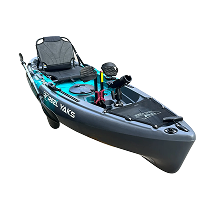
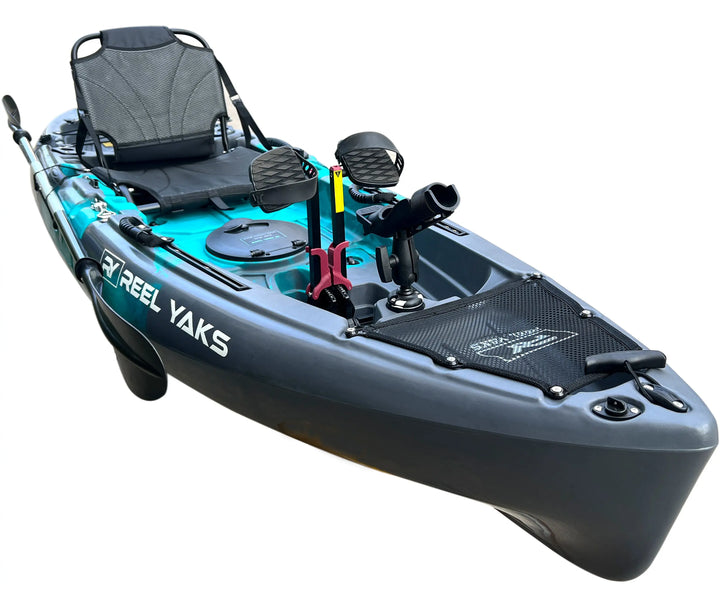
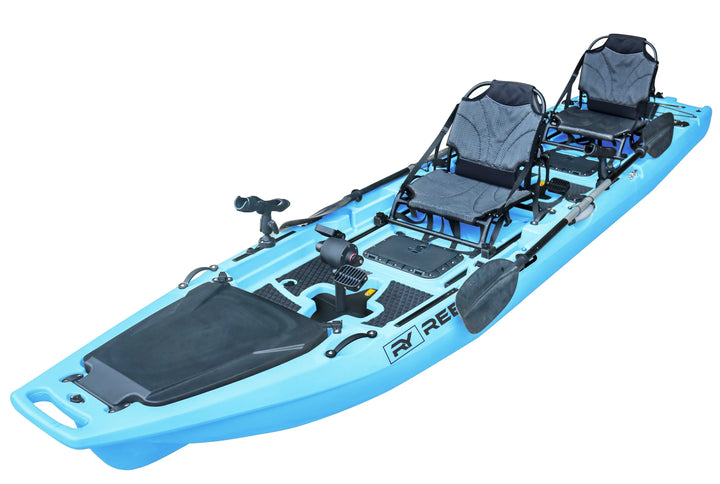
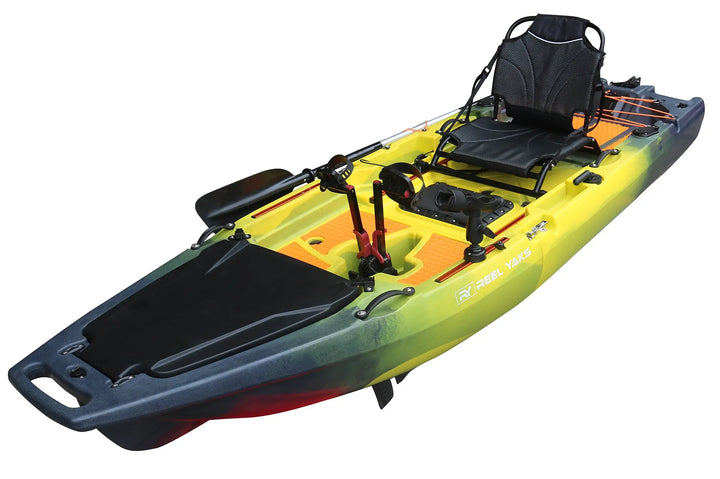
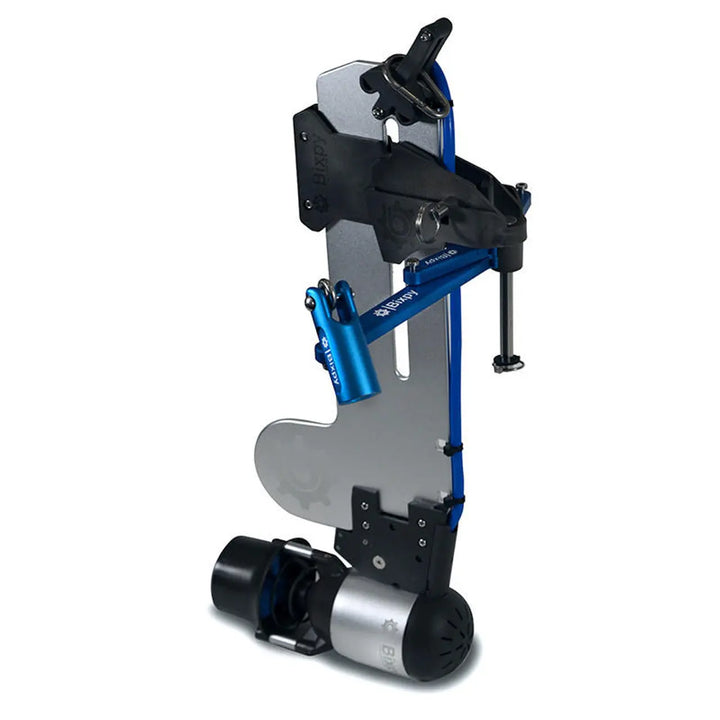
A Radar 10ft with propeller drive excels in tail-out situations because instant reverse control lets you hold position precisely or back out quickly if you overshoot your target zone. This level of boat control is critical when you're working shallow water where trout are hyper-aware of disturbances.
Reading Tail-Out Water from Your Kayak
Not all tail-outs produce equally. The best zones share specific characteristics you can identify from your kayak before making your first cast. Start by observing current speed transitions. Productive tail-outs show a gradual deceleration from the pool, not an abrupt shelf. The sweet spot is where the current maintains enough speed to deliver food but slows enough that trout can hold comfortably.
Depth consistency matters. Look for tail-outs that maintain two to three feet of depth for at least 10-15 feet of horizontal distance before breaking into riffle structure. These extended transition zones allow multiple trout to stage in a feeding line, each fish positioned slightly deeper than the one below it. When you hook a fish from the top of this progression, the downstream trout often remain active, giving you multiple opportunities.
Surface disturbances reveal subsurface structure. November flows are typically clear and low, making it easier to spot rocks, gravel bars, and depth changes from your elevated kayak position. The slight bulge in the surface where water accelerates over submerged structure indicates the crown of the tail-out—precisely where the first trout will be holding. Position your kayak upstream of this crown, and work your presentation through the zone methodically.
Color changes in the water signal depth transitions. The tail-out crown appears darker than the lighter riffle water below it. This visual boundary helps you determine the exact length of productive water and avoid wasting casts in unproductive zones. From a seated kayak position, you're viewing the water at an angle that makes these distinctions more visible than they would be from a standing wade position.
Drift Tactics and Kayak Positioning
Working tail-outs from a kayak requires a methodical approach that respects the trout's field of vision and sensitivity to disturbance. Begin by positioning your kayak well upstream of the tail-out—at least 40-50 feet in pool water. This distance keeps you outside the trout's visual range while allowing adequate drift length for your presentation to settle into the feeding zone naturally.
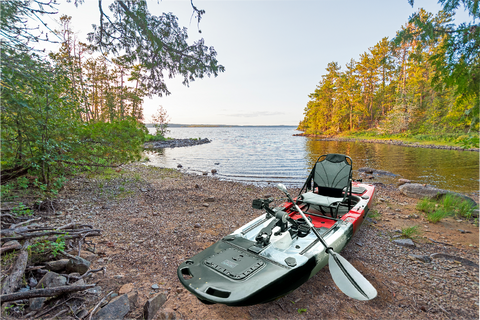
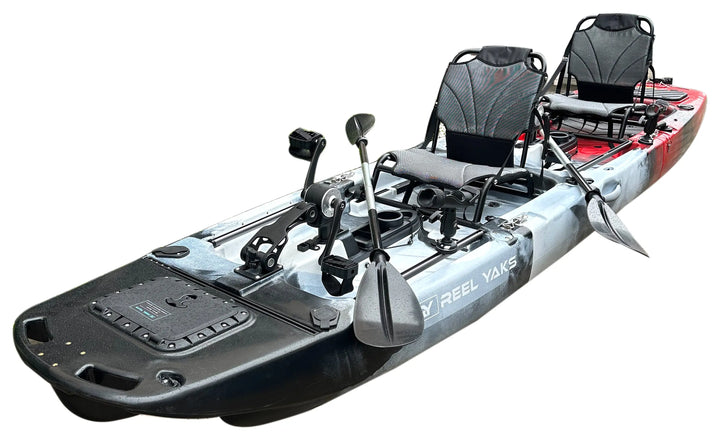
Use your pedal drive to hold position rather than anchoring. November flows are typically moderate, and maintaining position with gentle pedal adjustments creates less disturbance than dropping an anchor. The Recon 10ft fin drive is particularly effective here—the quiet fin system won't spook wary late-season trout, and the included transducer mount lets you watch depth changes on your fish finder as you work downstream through multiple tail-outs.
Your first drift should target the crown of the tail-out—the top of the transition zone. Use a high-stick nymphing technique, keeping most of your line off the water to minimize drag. The goal is a dead drift that tumbles your nymphs through the zone at the same speed as the current. November trout won't chase flies that drag or swing unnaturally.
After working the crown, adjust your position slightly to target the edges of the tail-out. Trout often position themselves along current seams where the main flow meets slower water near the banks. These edge zones can be as productive as the main drift line, especially for larger fish that prefer to hold outside the primary feeding lane.
When you hook a fish, fight it quickly and firmly downstream. Avoid letting hooked trout thrash through the tail-out zone, which will scatter other feeding fish. The beauty of kayak fishing is you can easily move downstream to land your fish in the riffle below, keeping the tail-out zone undisturbed for additional presentations.
Fly Selection and Presentation Depth
November tail-outs demand specific fly choices that match the prevalent food sources. Midges dominate most late-fall trout streams, and your nymph rig should reflect this reality. A two-fly setup works well: a size 16-18 Pheasant Tail or Hare's Ear as your point fly, with a size 20-22 zebra midge or black beauty as a dropper 12-18 inches above. This combination covers the size range of most subsurface food items tumbling through tail-outs.
Presentation depth requires adjustment based on water clarity and current speed. In clear November flows, trout can see your flies from greater distances but are also more selective. Keep your weight minimal—just enough split shot to get your flies down without creating an unnatural sink rate. Your indicator should be positioned at approximately 1.5 times the water depth, allowing your flies to drift near the bottom where trout are actively feeding.
Streamer fishing tail-outs becomes effective during low-light periods—early morning and late afternoon—when larger trout shift to opportunistic feeding on baitfish. Swing a size 6-8 woolly bugger or sculpin pattern through the tail-out crown, letting the current accelerate your fly through the transition zone. Strikes often come at the exact moment your streamer lifts in the current acceleration point.
November-Specific Considerations
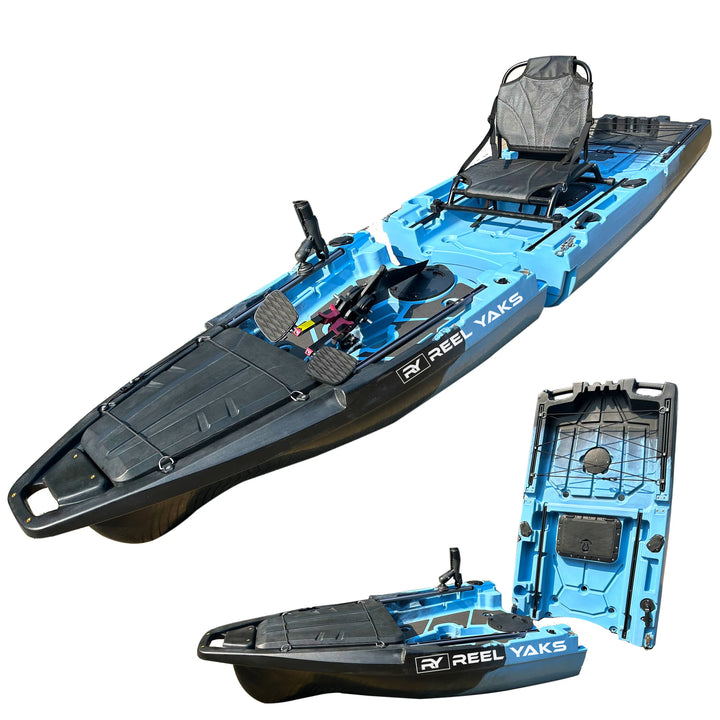
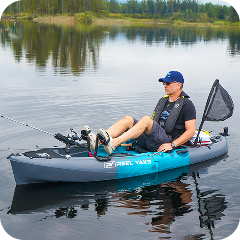
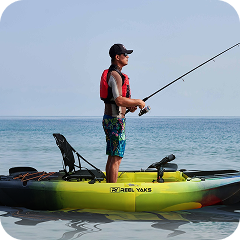
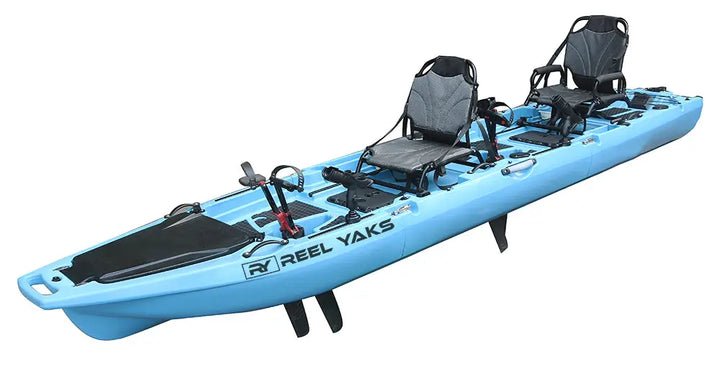
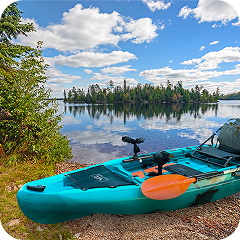
Late fall brings unique challenges that affect tail-out fishing strategies. Water levels are typically stable but low, concentrating trout in predictable locations but also making them more skittish. Approach tail-outs cautiously, and use your kayak's low profile to your advantage. The modular design of Reel Yaks models keeps your center of gravity low, making you less visible to trout than anglers standing in drift boats or on elevated casting platforms.
Leaf litter becomes an issue in wooded sections. Fallen leaves accumulate in tail-outs, creating surface clutter that can grab your line and indicator. Work around this by using slightly heavier indicators that won't submarine under leaf contact, and mend your line actively to keep it on the surface where you can track it effectively.
Cold hands reduce your ability to detect subtle strikes. November tail-out fishing often involves long periods of repetitive casting and mending—your hands are constantly exposed to cold water and air. Neoprene gloves or pogies help, but the real solution is efficiency. Work each tail-out thoroughly but don't linger once action slows. Your kayak mobility allows you to cover water quickly, finding active fish rather than waiting for reluctant ones.
Building a Tail-Out Circuit
The most successful November kayak anglers develop a mental catalog of productive tail-outs on their home waters. Spend time during early fall scouting your favorite streams, noting the location and characteristics of promising transition zones. When November arrives, you'll have a circuit of high-percentage locations to work systematically.
Start your day at the downstream end of your circuit and work upstream, fishing each tail-out thoroughly before pedaling to the next. This approach ensures you're always casting downstream through productive water—the most effective presentation angle for tail-out fishing. The compact design of a Raptor 9.5ft makes it perfect for navigating small to medium streams where tail-outs are numerous but spaced closely together.
Record your results. Note which tail-outs produced fish, what time of day was most productive, and what flies worked best. These patterns repeat annually—a productive tail-out in November 2026 will likely be productive in November 2027 under similar conditions. Building this knowledge base transforms random fishing into a strategic hunt.
November trout fishing challenges every aspect of your skills—reading water, understanding fish behavior, maintaining precise presentations in cold conditions. But when you dial in tail-out tactics from your kayak, you unlock consistent action during a month when most anglers struggle. These transition zones concentrate trout in predictable locations, offering the feeding efficiency and security that late-season fish demand. Fish them with patience, respect their wariness, and you'll find November becoming your most productive month on the water.


