

Your hands go numb thirty minutes into a February morning paddle, and suddenly that bass you've been tracking for the past hour doesn't matter anymore. You're just trying to grip your rod without dropping it in the drink. Cold hands end kayak trips early, plain and simple.
After spending fourteen full days on the water this winter across temperatures from 28°F to 45°F, I've tested four different hand warmer styles that actually work in kayak fishing vest pockets. Some lasted eight hours. Others quit after three. One leaked lighter fluid on my Raptor's seat. Here's what held up and what didn't.
Why Kayak Anglers Need Purpose-Built Hand Warmers
Standard hand warmers marketed for skiing or hunting don't account for what happens on a kayak. You're sitting in a fiberglass or polyethylene shell that radiates cold from below. Your hands alternate between being wet from handling fish and exposed to wind chill when you're casting. You need pockets to stay free for pliers, leader material, and your phone—which means bulky mittens aren't an option.
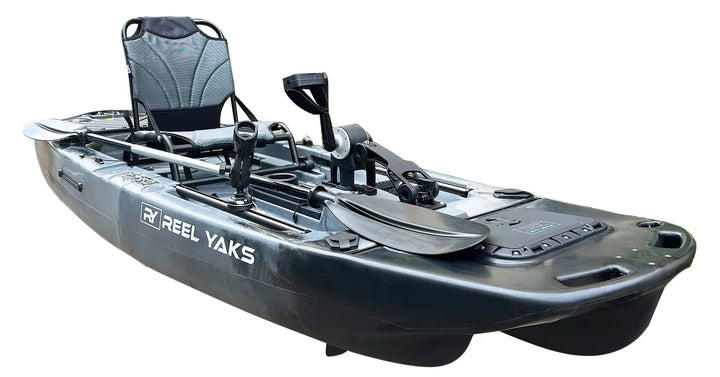
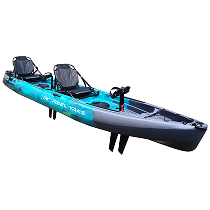
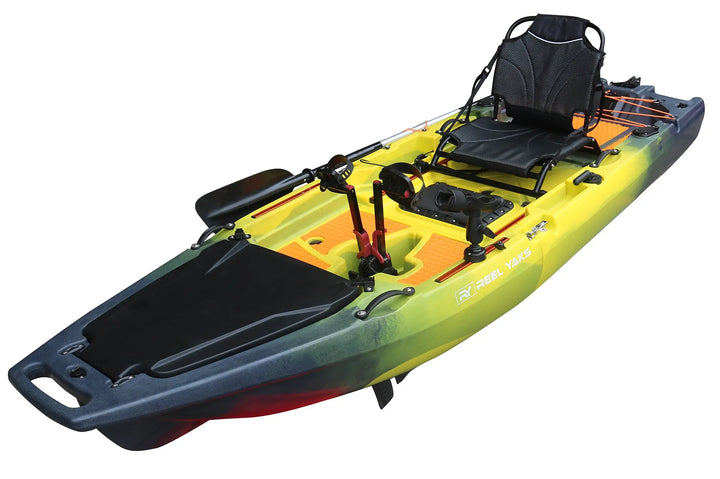
The warmers that work best share three traits: they fit in fishing vest or PFD pockets without creating bulk, they maintain consistent heat for at least four hours, and they don't require constant babysitting or refilling mid-trip. I tested all four options in real fishing conditions on a Recon 10ft, which gave me the pedal-free hand time to properly evaluate each design during active fishing sessions.
HotHands Disposable Warmers: The Reliable Backup
HotHands are the disposable packets you shake to activate, then toss after use. Each pair costs about $1.50 and promises up to 10 hours of heat. In practice, I got 6-7 hours of usable warmth before they became lukewarm hand-shaped pouches.
The advantage here is dead simple: rip open the package, shake for 30 seconds, slip them in your vest pockets. No charging, no lighter fluid, no buttons. When they're done, they go in the trash. I kept a four-pack in my truck throughout January and February as insurance.
The drawbacks add up over a season. At $12 for an 8-pack, you're spending $3 per fishing trip if you use two warmers. That's $60 over twenty cold-weather outings. They also create waste—sixteen disposable packets per 8-pack, none of which are recyclable in most municipal programs.
Heat output is moderate. On a 32°F morning with 12 mph winds, HotHands kept my fingers functional but not warm. I could tie knots and work a jig, but I wasn't comfortable. The packets also need air circulation to maintain their chemical reaction, which means they cool down noticeably when pressed flat in tight vest pockets.
Best use case: Keep a pair in your emergency kit as a failsafe when your rechargeable dies or you forget to charge it overnight. They're too expensive and wasteful for daily use, but perfect for the "oh crap" moments.
Zippo 12-Hour Refillable Warmer: Great Heat, Maintenance Headache
The Zippo hand warmer is a metal canister about the size of a deck of cards. You fill it with lighter fluid, light a catalytic burner, and it produces heat through flameless combustion. Zippo claims 12 hours; I consistently got 9-10 hours of genuine warmth.
This thing gets hot. Not "barely warm enough to notice" like a dying disposable—legitimately hot, to the point where I sometimes had to pull it out of my pocket for a minute to avoid overheating. On a 28°F dawn launch, the Zippo kept both hands toasty through a four-hour morning session, then stayed warm enough through lunch and an afternoon jigging session.
Heat consistency is the Zippo's superpower. While disposables fade gradually and electrics cycle on and off, the Zippo maintains steady output for hours. The included fabric pouch prevents direct skin contact, and the warmer fits easily in standard vest pockets.
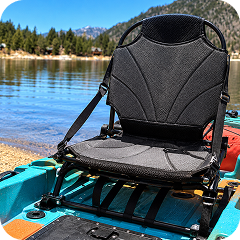
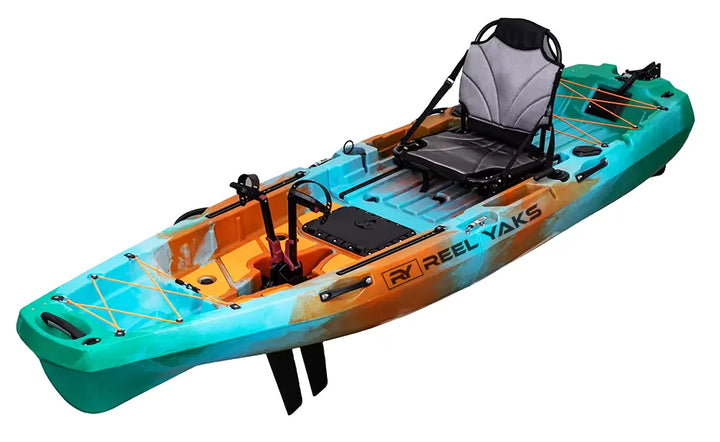
The problems start before you even get on the water. Filling the Zippo requires pouring lighter fluid from a can into a small fuel cup, then soaking a cotton insert. This process takes two minutes and inevitably leaves your fingers smelling like a gas station. I spilled lighter fluid on my kayak seat twice—once on the Raptor 9.5ft I was testing that week—leaving an oily residue that took soap and water to fully clean.
You also need to carry a lighter or matches to ignite the catalytic burner, adding one more small item to your pre-launch checklist. The Zippo won't relight once it's been extinguished, so if you're doing a half-day trip and want to save fuel for later, you're out of luck. And lighter fluid isn't something you can buy everywhere—I had to make a special trip to a tobacco shop when I ran out mid-season.
Environmental note: burning lighter fluid releases hydrocarbons. It's not an environmental disaster at individual scale, but it's worth considering if you're trying to minimize your footprint.
Best use case: All-day trips in extreme cold (below 30°F) where you need maximum heat and don't mind the prep work. The Zippo delivers unmatched warmth, but the hassle factor is real.
Ocoopa Rechargeable Electric Warmer: The Daily Driver Winner
The Ocoopa Union is a rechargeable electric hand warmer roughly the size of a rounded smartphone. It charges via USB-C, offers three heat settings, and doubles as a 5000mAh power bank to charge your phone in a pinch. After six weeks of regular use, this became my default choice for kayak trips.
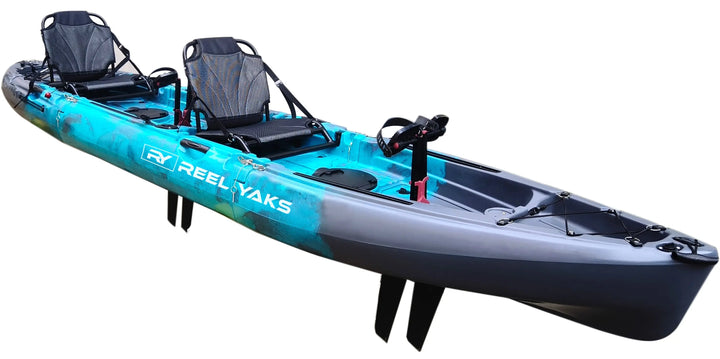
Runtime varies by heat setting. On low (95°F), I got 7-8 hours—enough for a full day on a Radar 10ft with the prop drive. Medium (113°F) lasted 5-6 hours. High (131°F) burned through the battery in 3.5-4 hours but kept my hands genuinely warm on the coldest mornings.
The two-sided heating design means you can wrap both hands around the unit, or slip it in a vest pocket and let it radiate warmth from one side. The aluminum shell conducts heat evenly without hot spots. Three physical buttons let you cycle through heat levels and check battery status—important when you're wearing gloves.
Charging takes about 3 hours from dead to full using a standard USB-C cable. I plugged mine in after each trip and never had issues with battery degradation over the season. The 5000mAh capacity is enough to charge an iPhone 13 about 1.2 times, which proved useful when I realized my phone was at 8% during a long January paddle and I still wanted to take photos of a decent largemouth.
The Ocoopa fits in most fishing vest pockets, though it's noticeably heavier than disposables. At 5.3 ounces, it's about the weight of a small multi-tool. I stopped noticing after the first few trips. The included carrying pouch is thin nylon—I ditched it immediately because it added unnecessary bulk.
Downsides are minor but worth noting. The Ocoopa won't work if the battery dies, so forgetting to charge it means you're stuck with cold hands. The smooth aluminum shell is slippery when wet—I nearly dropped it overboard once while switching from pedaling to paddling. And while the unit is advertised as "water-resistant," I wouldn't want to test that claim with a full dunking.
At $36, the Ocoopa costs more upfront than a 24-pack of HotHands, but it pays for itself after about twelve trips. No consumables to buy, no waste to dispose of, no lighter fluid to spill on your gear.
Best use case: Regular cold-weather anglers who fish 10+ times per season and want a set-it-and-forget-it solution. The Ocoopa delivers consistent heat, requires minimal fussing, and eliminates the ongoing cost of disposables.
Generic USB-C Pocket Warmer: Budget Electric Option
I tested a no-name USB-C hand warmer from Amazon that promised similar specs to the Ocoopa at half the price ($19). The aluminum shell, three-heat settings, and 5000mAh battery all looked identical in the product photos. After using it for eight full-day trips, the differences became obvious.
Heat output on the generic unit was noticeably weaker than the Ocoopa at equivalent settings. The low setting felt like a hand warmer that was dying, not one that was designed to operate at that temperature. High heat was comparable to the Ocoopa's medium setting. This might be due to cheaper heating elements or less efficient thermal transfer—either way, your hands notice the difference.
Battery life also fell short of advertised specs. Where the description promised 6-8 hours on low, I consistently got 4-5 hours before the unit shut off. The high setting lasted barely 2 hours during a morning trip on the Recon 10ft, leaving me with cold hands for the paddle back to the launch.
Build quality showed its budget roots after a few weeks. The power button became mushy and sometimes required multiple presses to change heat settings. The USB-C port developed a slight wiggle, making me nervous about long-term charging reliability. The aluminum shell picked up scratches and small dents more easily than the Ocoopa's tougher finish.
That said, the generic warmer worked adequately for shorter trips (under 4 hours) in moderate cold (above 35°F). If you're only fishing a few times per winter and don't want to invest in premium gear, it's functional enough. Just manage your expectations on battery life and heat output.
Best use case: Casual anglers on a tight budget who fish occasionally in cold weather and need something better than nothing. If you're serious about cold-weather fishing, spend the extra $17 on the Ocoopa.
Practical Considerations for Kayak Fishing
Hand warmer choice affects more than just comfort—it changes how you organize your gear. Rechargeable units need space in your charging station at home alongside your fish finder, headlamp, and phone. Zippo warmers require lighter fluid storage that's safe and leak-proof. Disposables generate trash that needs a designated pocket or bag in your kayak.
I keep my Ocoopa in my fishing vest year-round so I never forget it. The Zippo lives in my truck's center console with a small bottle of lighter fluid, ready for extreme cold days. A 4-pack of HotHands stays in my emergency kit as backup.
Weight distribution matters on a kayak, especially on smaller models like the Raptor 9.5ft where every pound affects handling. Rechargeable warmers add about 5 ounces to your vest. That's negligible for stability but noticeable if you're already carrying pliers, a knife, leader material, and other pocket items. I moved my multitool to a tank bag to free up vest pocket weight.
Some anglers prefer hand muffs—insulated pockets that hang from your PFD and let you warm your hands without holding anything. These work well with disposable or Zippo warmers that you drop inside the muff. I found them too restrictive for the constant rod handling and lure changes that kayak fishing demands, but they're worth considering if you're doing more trolling than casting.
The Bottom Line on Kayak Hand Warmers
After burning through three sets of batteries, one bottle of lighter fluid, and more HotHands packets than I care to count, the Ocoopa rechargeable warmer proved most practical for regular kayak fishing. It delivers consistent heat for full-day trips, charges easily overnight, and eliminates the consumables cost and waste of disposables.
For extreme cold below 25°F, the Zippo offers superior heat output despite the lighter fluid hassle. Keep HotHands as emergency backup in your truck or dry bag. Skip the budget USB-C warmers unless you're only fishing a couple times per winter and can't justify the Ocoopa's higher price.
Your hands are your connection to the rod, the paddle, and every fish you hook. Keeping them warm isn't about comfort—it's about staying on the water longer and fishing more effectively. A good hand warmer costs less than a decent crankbait and makes more difference to your catch rate than most lure upgrades.
Cold-weather kayak fishing opens up pressure-free water and bigger fish when everyone else is sitting at home. With the right hand warmers in your vest pockets, there's no reason to join them.


