

The boat ramps are emptying out. Your tackle buddies are winterizing their bass boats. The marina's already pulled half the docks. But if you're the type who feels withdrawal symptoms when the rods go into storage, here's the good news: some of the year's most peaceful, productive fishing happens in those weeks between the last leaf-fall and first ice-up.
Late fall—that narrow window from mid-October through November—offers something special. Crowds vanish. Fish feeding windows become predictable. And certain waters, thanks to geography or hydrology, keep producing long after everything else has gone quiet. The challenge is knowing where to look.
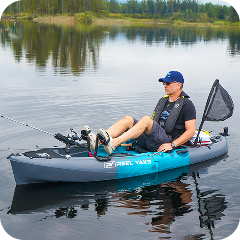
Here are eight fishery types that stay fishable through late fall, along with what to target, when to fish them, and why a modular kayak gives you access other anglers can't match.
1. Spring-Fed Creeks: The Consistent Temperature Advantage
Spring creeks maintain remarkably stable temperatures year-round, typically sitting between 48-54°F regardless of air temperature. While nearby rivers fluctuate wildly as nights dip into the 30s, these spring-fed systems stay in the metabolic sweet spot for trout, making them some of the most reliable late-fall fisheries.
In Pennsylvania's limestone valleys, Wisconsin's Driftless Area, or Montana's Paradise Valley, spring creeks fish well through November and often into December. Brown trout spawn in October and November here, so you'll find aggressive post-spawn fish actively feeding to recover body weight. Rainbows and brook trout feed consistently through these weeks, taking advantage of reduced competition while browns recuperate.
Target midges and small mayflies during the warmest part of the day—roughly 11 AM to 3 PM. Water temperatures in the low 50s keep insects active, and you'll often see sporadic hatches even on overcast days. Streamers work well early and late in the day when visibility drops.
The kayak advantage here is significant. Most spring creeks run narrow and shallow, with posted banks and limited wading access. A lightweight, portable fishing kayak lets you launch at bridge crossings, drift productive stretches, and reach undercut banks that see zero pressure.
2. Dam Tailwaters: Bottom-Release Thermal Refuges
Below any significant dam with bottom-release gates, you'll find water that stays 45-55°F year-round. The reservoir's hypolimnion—that cold, deep layer that never sees sunlight—becomes your thermal insurance policy. While surface temperatures in the reservoir itself might drop into the 40s, the bottom release stays relatively warm compared to ambient air temperatures in late fall.
Classic examples include the White River below Bull Shoals in Arkansas, the Clinch River in Tennessee, the Green River below Flaming Gorge in Utah, and dozens of tailwaters across the Appalachians. These systems support trout populations far south of their natural range, and November often brings some of the year's best dry fly fishing.
Blue-winged olives hatch reliably on overcast, drizzly days—exactly the kind of weather that keeps fair-weather anglers home. You'll also find midges, and on warmer afternoons, the occasional caddis. Subsurface, sowbugs and scuds make up the bulk of trout diet in many tailwaters, so nymphing remains productive all day.
Generation schedules dictate your fishing window. Most tailwaters publish flow data online. Target low-flow periods when wadeable riffles and pocket water become accessible. When generators fire up, that's your cue to move into eddies and slack water where trout avoid the current.
A modular kayak shines during generation. You can fish through flow changes that would push wading anglers off the water entirely, accessing runs and pools that become unreachable on foot when discharge doubles.
3. Urban Heated Outflows: The Industrial Advantage
Power plants, wastewater treatment facilities, and industrial operations discharge warmed water year-round. While this might sound unappealing, these thermal refuges concentrate baitfish, which in turn attract every predator species in the system. By November, when ambient water temperatures drop into the mid-40s, these outflows can run 15-20 degrees warmer.
You'll find these spots near major metro areas—cooling lakes near Chicago, discharge canals in the Twin Cities, outflow areas on Lake Erie, and along major river systems that pass through industrial zones. Local fishing forums usually know these spots well, though they're rarely advertised widely.
Target species shift depending on geography, but expect bass, walleye, white bass, and panfish. In the Great Lakes region, steelhead and salmon stage near warm-water discharges. In the South, striped bass and hybrid stripers concentrate in these areas as surrounding waters cool.
Fish the thermal gradient. The hottest water immediately at the discharge typically holds baitfish but few predators. Move downstream 50-100 yards to where the plume mixes with ambient river water. That transition zone—where temperatures sit 5-8 degrees above the main river—is where you'll find feeding fish.
Access can be tricky. Many outflows sit on industrial property with limited public access. A kayak launch from a nearby public ramp solves this problem. You can legally paddle to these areas and fish them without trespassing, accessing water that shore anglers can't reach.
4. Deep Southern Reservoirs: The Geography Play
Once you drop below the 35th parallel—roughly the Tennessee/Alabama border moving east—November fishing looks nothing like what northern anglers experience. Lakes in Georgia, Alabama, Mississippi, Louisiana, and Texas stay in the 60s through November, with bass, crappie, and catfish feeding actively.
This is less about finding anomalous warm water and more about basic geography. At these latitudes, "late fall" is simply an extension of productive fall fishing. Largemouth bass continue their fall feed, targeting shad schools in creek channels and along main lake points. Crappie begin their slow migration toward winter staging areas, suspending along channel edges and brush piles in 15-25 feet of water.
Target transitional areas where creeks enter the main lake. As water temperatures gradually decline, baitfish move from shallow creek arms into deeper water, and predators follow. Points, humps, and ledges along these migration routes concentrate fish.
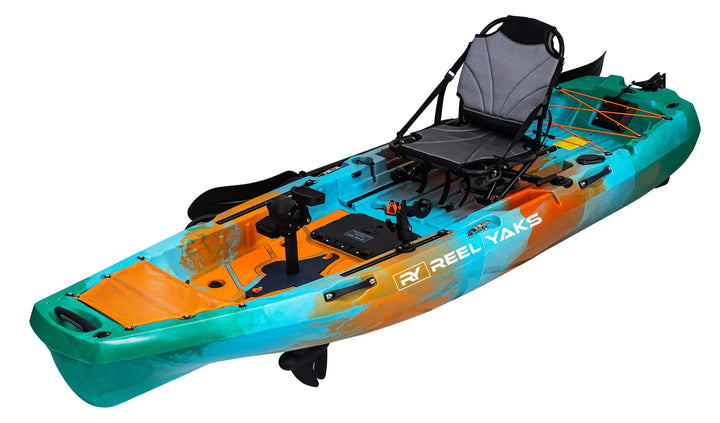
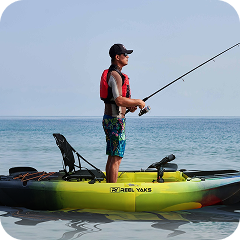
The kayak advantage intensifies as pleasure boat traffic disappears. By November, most southern reservoirs see minimal boat pressure on weekdays. A pedal-driven kayak lets you cover water efficiently, moving from point to point while keeping hands free for casting. The stability of a W-hull design allows you to stand and sight-fish isolated targets along bank transitions.
5. Tidal Estuaries: Salinity as a Temperature Buffer
Brackish water resists temperature change better than freshwater. The higher the salinity, the more thermal mass the water holds. This makes tidal estuaries—where rivers meet the sea—remarkably stable through late fall. While freshwater tributaries upstream might swing 10 degrees between day and night, the tidal zone holds steady.
Mid-Atlantic and Southern coastal estuaries fish well through November. The Chesapeake Bay system, North Carolina sounds, South Carolina low country, Georgia and Florida coastal rivers—all of these continue producing when inland waters slow down. Target species include striped bass (both resident and migratory), speckled trout, redfish, flounder, and black drum.
Tidal movement drives feeding activity. The first two hours of incoming tide and the last two hours of outgoing tide typically produce best. Look for structure—oyster bars, dock pilings, creek mouths, grass edges—where current creates ambush points.
November brings transitional patterns. In the Chesapeake, for example, stripers begin moving from summer grounds toward wintering areas. You'll find them staging at creek mouths and channel edges, feeding heavily on bay anchovies and juvenile menhaden. In the South, redfish push into shallow marsh drains on high tides, accessible only by kayak.
Tidal fishing rewards local knowledge, but the basic pattern holds across regions: find moving water, find structure, find fish. A modular fishing kayak gives you the shallow-water access that larger boats can't match, particularly in back-bay areas and marsh systems where late-fall reds and trout concentrate.
6. Ice-Out Edges on Large Lakes: Playing the Margins
On massive northern lakes—think Lake Superior, Lake of the Woods, or the larger lakes in Minnesota and Wisconsin—ice formation progresses from shallow to deep, from protected bays to open water. In that transition period before complete freeze-up, open-water edges along ice shelves create unique fishing opportunities.
This is admittedly niche, requires local knowledge and serious safety awareness, but it produces. Lake trout, splake, and whitefish feed along these ice edges, where the interface creates current and concentrates plankton. Pike and walleye patrol the deep edges of bays that are partially frozen.
The window is short—sometimes just a week or two in late November or early December—and conditions change rapidly. You need reliable weather forecasting, proper cold-water safety gear, and the good sense to stay off the water when conditions deteriorate.
A kayak for this application needs to handle cold water and potential wind. The stability of a W-hull pedal kayak matters more here than in any other scenario. You want both hands free for fishing while maintaining control in choppy conditions, and you need the ability to move quickly if weather changes.
This isn't for everyone, and it shouldn't be your introduction to late-season kayak fishing. But for experienced paddlers in northern regions, these edges produce trophy-class fish with zero competition.
7. Protected Coastal Bays: Wind Barriers and Shallow Water
While offshore fishing shuts down as fronts intensify through November, protected coastal bays—tucked behind barrier islands or sheltered by geography—remain fishable. Places like Mosquito Lagoon in Florida, Pamlico Sound in North Carolina, Mobile Bay in Alabama, and Galveston Bay in Texas fish through fall and into winter.
These shallow systems warm quickly on sunny days and hold temperature better than deeper offshore waters. By November, baitfish concentrate in these protected areas, and predators follow. Redfish, speckled trout, black drum, and flounder all feed actively through late fall in these environments.
Sight-fishing becomes viable on calm days. The lower sun angle in November improves visibility into shallow water, and cooler overnight temperatures reduce algae, clearing the water. Look for tailing redfish over grass flats during midday high tides, or work deeper potholes and channel edges where trout suspend.
Wind remains the primary challenge. November brings strong frontal systems, and even protected bays turn rough under 20+ mph winds. But between fronts, you'll find glassy mornings with outstanding visibility and aggressive fish.
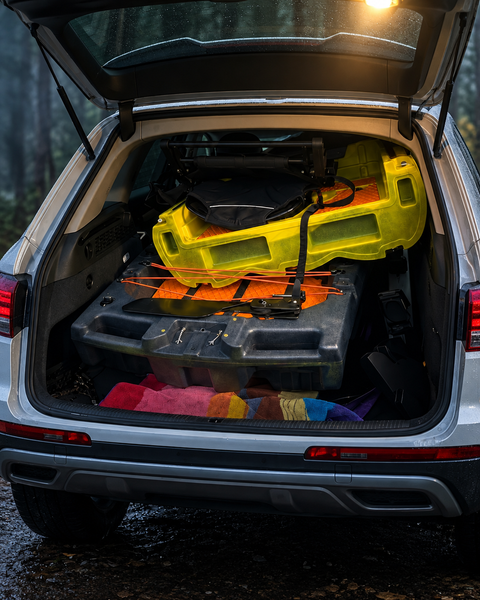
A lightweight kayak that you can transport easily becomes crucial here. Weather windows might be short—a single calm morning between fronts. If you can't get your kayak to the water quickly, you'll miss the window. Modular sections that fit in a standard SUV mean you can make a last-minute call based on morning wind forecasts rather than committing the night before.
8. Appalachian Blue Ribbon Trout Streams: Elevation and Cold-Water Species
Higher elevation trout streams in the Appalachians—particularly those in Tennessee, North Carolina, Virginia, and West Virginia—fish well through November because the target species evolved for cold water. While lowland warmwater fisheries slow as temperatures drop, mountain trout become more active as summer heat finally breaks.
Brook trout spawn in October and November, so regulations often restrict fishing in smaller headwater streams during this period. But larger freestone rivers holding rainbows and browns remain open, and November brings excellent fishing. The Watauga River, South Holston, sections of the Nantahala, and dozens of smaller Wild Trout waters all produce through late fall.
As leaves drop and understory vegetation dies back, access improves. Banks that were impassable in summer become walkable. Sight-fishing improves dramatically—you can spot trout in pools that were invisible under leaf canopy and summer glare.
Target pools and runs during the warmest part of the day. Trout metabolism is directly tied to water temperature, and a few degrees matter. Morning water temps might sit in the low 40s, but by 2 PM, you might see temps push into the low 50s in sunny pools. That's when feeding activity peaks.
Many of these streams run small—too small for most kayaks. But the larger rivers and lower sections of smaller streams offer excellent kayak access. A portable, easy-to-transport kayak lets you fish down from higher access points, covering water that gets minimal pressure because it requires hiking or paddling to reach.
Making It Work: Late-Fall Kayak Fishing Considerations
Late-fall kayak fishing requires adjustments. Water temperatures demand proper clothing—a wetsuit or drysuit if water temps drop below 60°F, following the 120-degree rule (if air temp plus water temp equals less than 120, assume you'll develop hypothermia quickly if you flip). Carry dry bags with extra layers, and always file a float plan with someone.
But the rewards justify the extra preparation. You'll have productive water to yourself. Fish behave predictably as they prepare for winter. And you'll extend your season by weeks or even months beyond when conventional thinking says to quit.
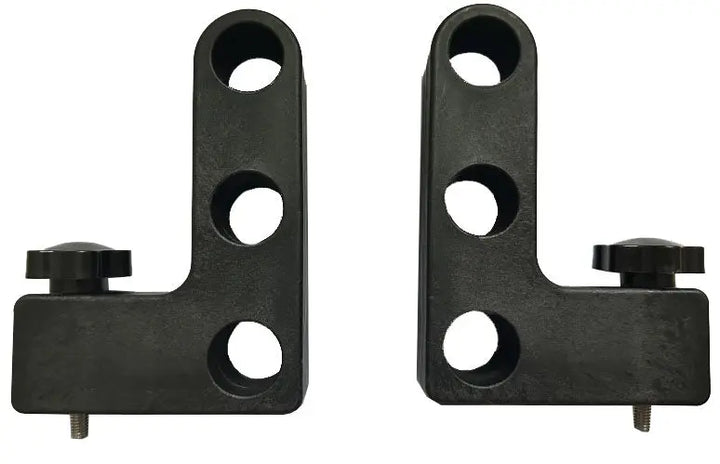
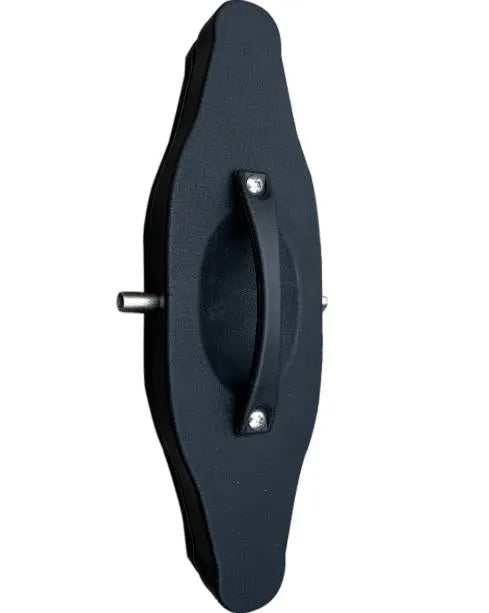
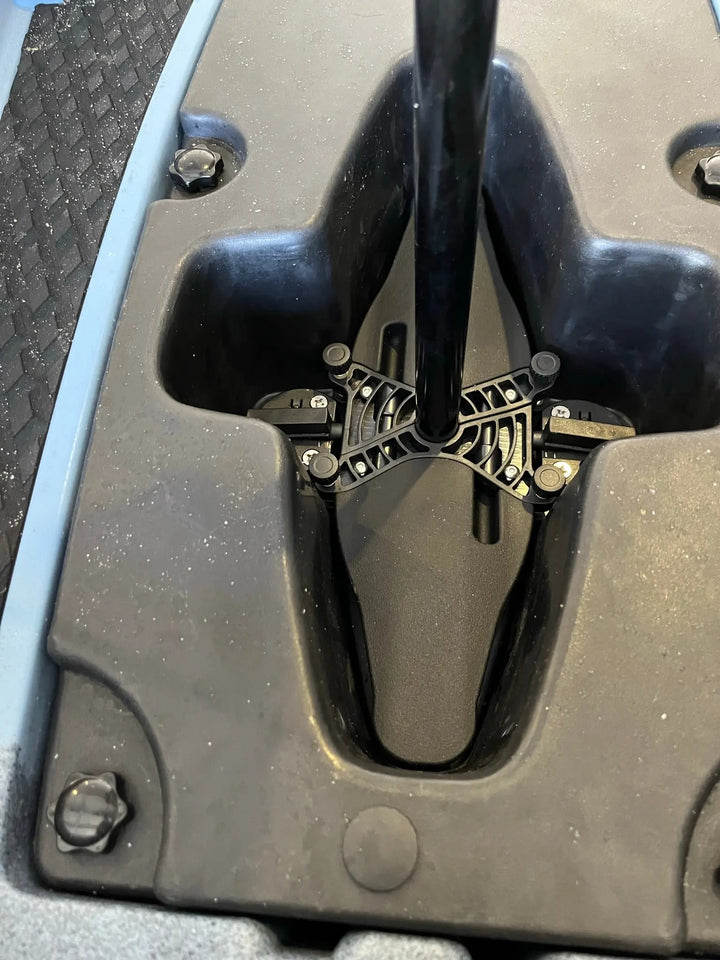
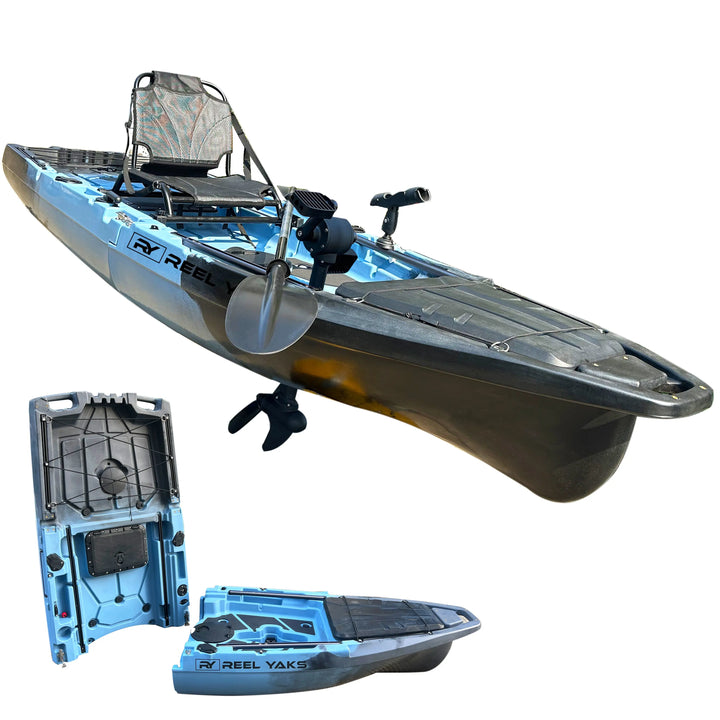
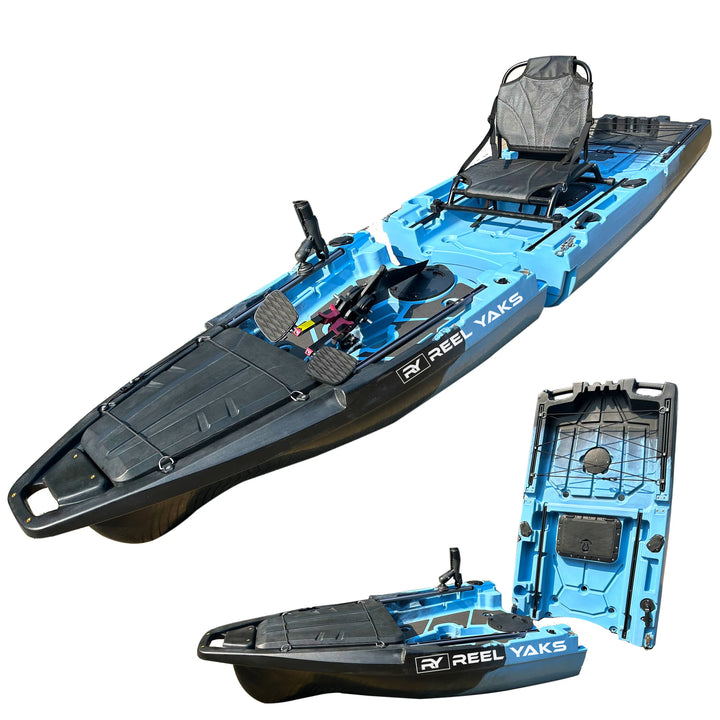
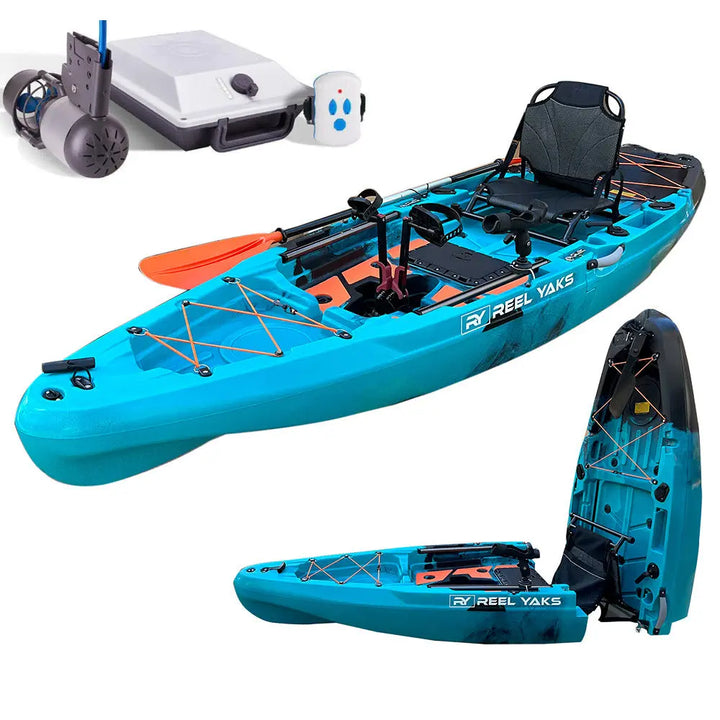
The modular kayak design becomes particularly valuable in late fall. When good fishing windows might be scattered across different water types—a warm afternoon on a spring creek, a calm morning in a coastal bay, a generation pause on a tailwater—you need a kayak you can transport quickly and launch easily. Sections that fit in a standard vehicle and assemble in under five minutes mean you can capitalize on short-notice opportunities that traditional rigid kayak owners would skip.
Late fall isn't the end of the fishing season. For kayak anglers willing to adapt, it's some of the year's best fishing—uncrowded, predictable, and focused on waters that keep producing long after the crowds disappear. The trick is knowing where to look.
Fish More. Haul Less. No Roof Rack Required.
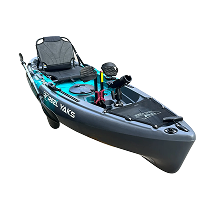
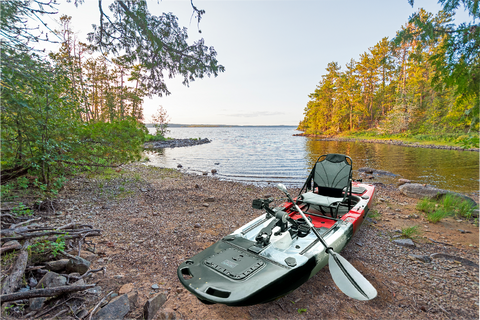
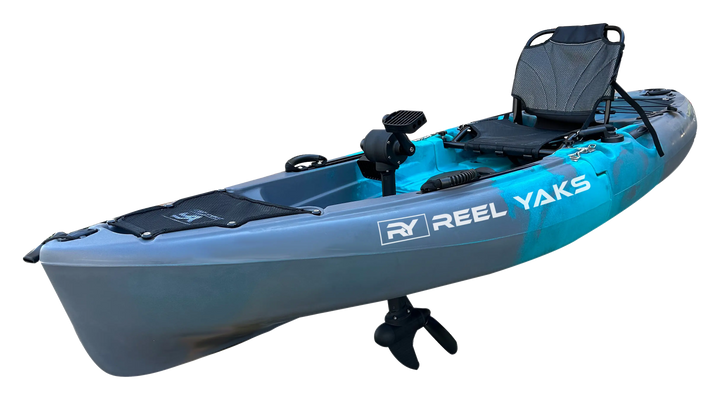
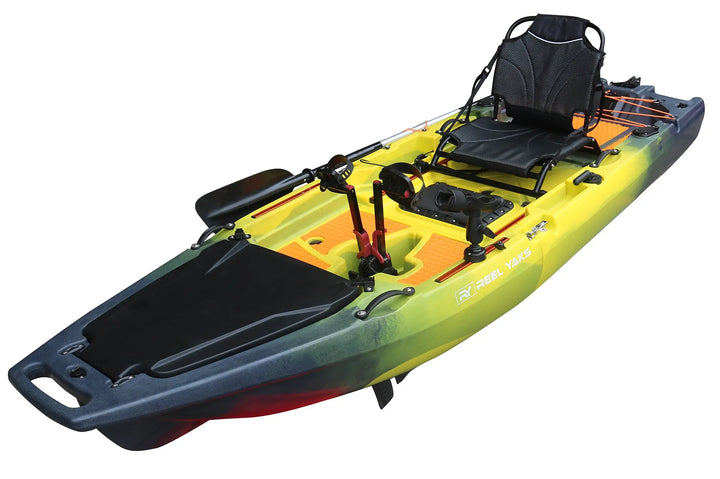
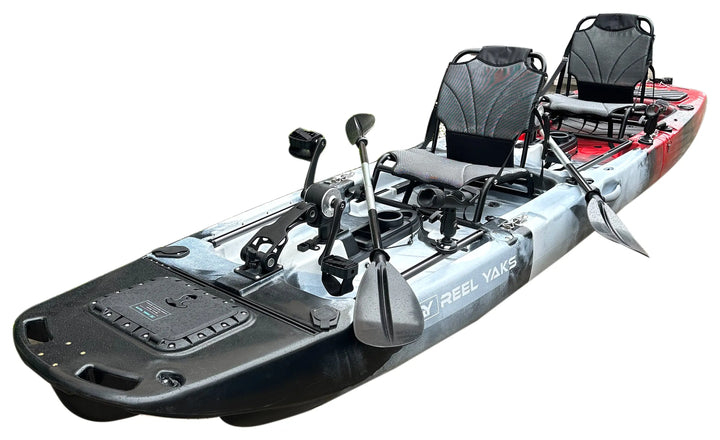
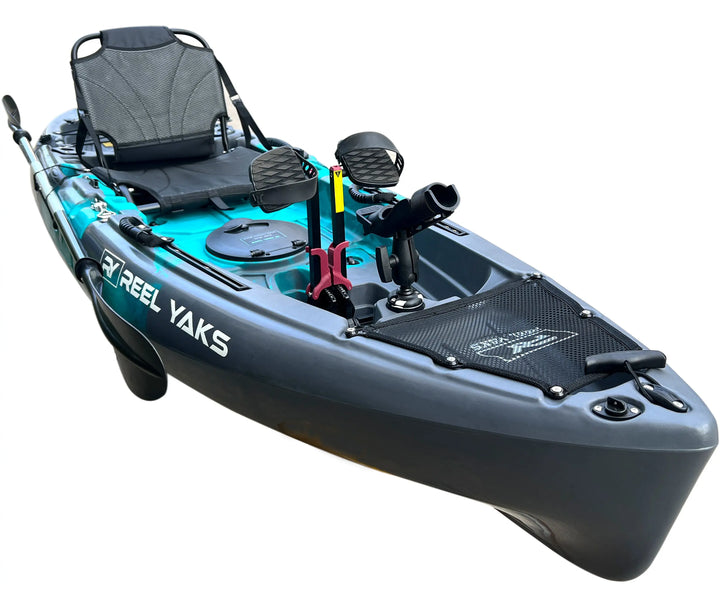
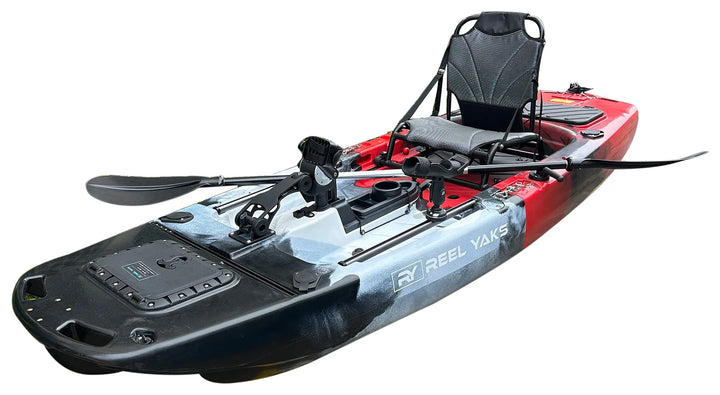
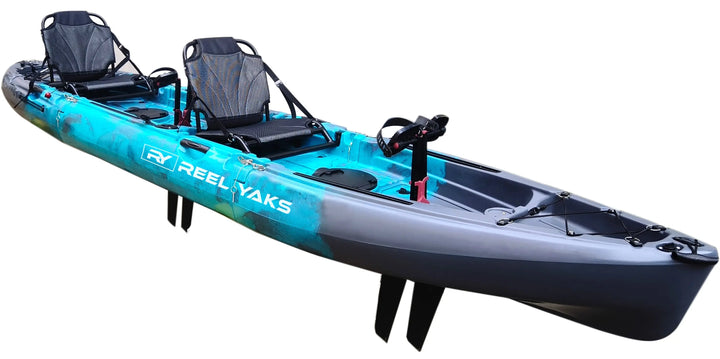
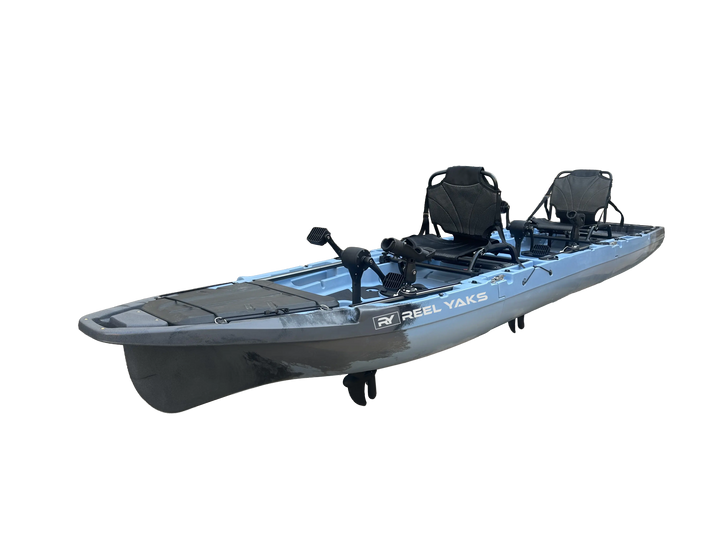
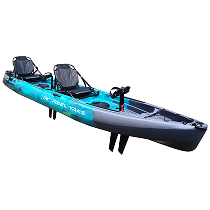
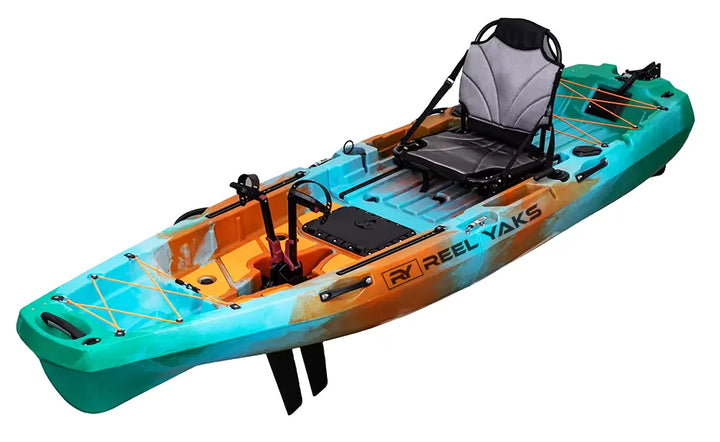
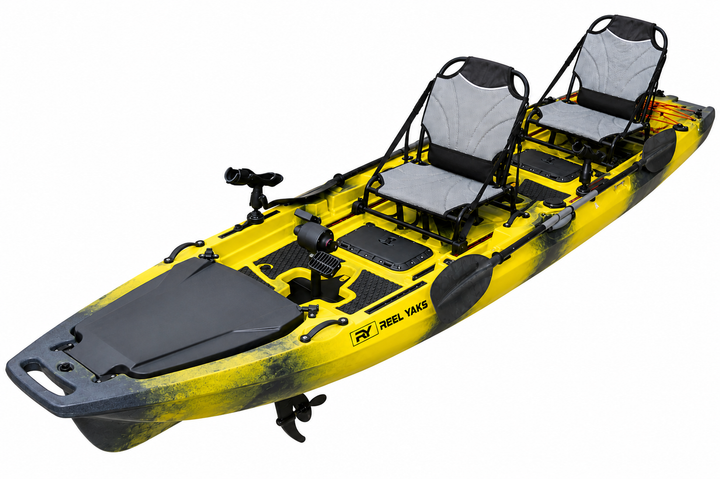
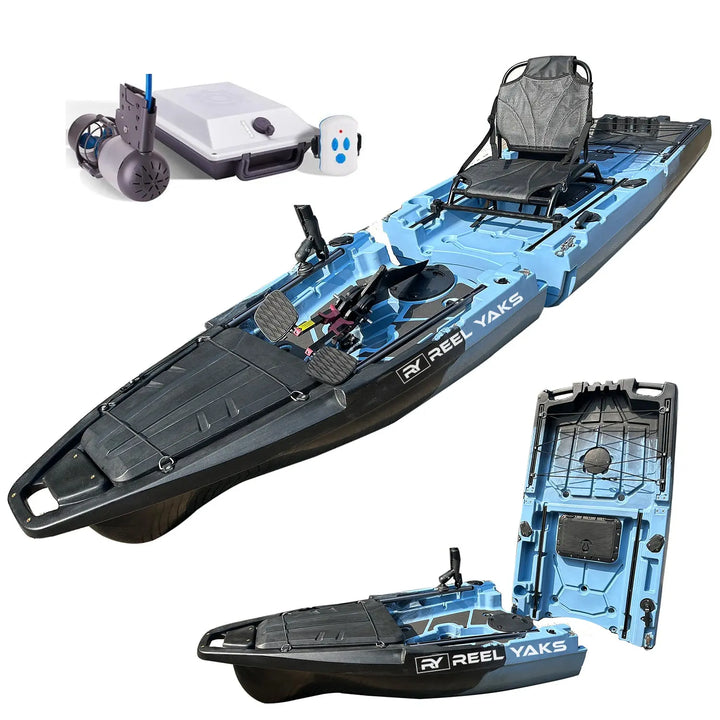
Reel Yaks modular pedal fishing kayaks break into 2–3 compact sections that fit in your car boot, store in your apartment, and assemble in 5 minutes — no roof rack, no garage, no heavy lifting. Browse all Reel Yaks modular fishing kayaks →