

You've watched the water temperature drop from the mid-70s to the low 60s over the past few weeks. The bass are still biting, the crowds have thinned, and you're not ready to pull your kayak into winter storage. But here's the problem: that same gear setup that kept you comfortable in July will leave you miserable—or worse, in genuine danger—once water temps fall below 60°F.
Cold water immersion is the hidden threat most kayak anglers underestimate. While you might survive a swim in 70-degree water with nothing but your PFD, that same dunking in 50-degree water triggers cold shock response within seconds. Your breathing becomes uncontrollable, your muscles lose coordination, and you have roughly 10-15 minutes before hypothermia sets in. The good news? With the right cold water kayak gear list checked off before November, you can fish safely through late fall and even into winter in many regions.
This isn't about buying every piece of cold-weather equipment on the market. It's about identifying the seven items that make the biggest difference between a safe, enjoyable cold-water session and a miserable—or dangerous—outing. Let's walk through what you actually need.
1. A Proper Drysuit (Not Just Waders)
Here's where most anglers go wrong: they assume chest waders will keep them safe in cold water. Waders are designed to keep you dry while you're standing in shallow water, not to protect you during immersion. The moment you fall in wearing waders, they fill with water, become dead weight, and can actually pull you under.
A kayak fishing drysuit is purpose-built for immersion scenarios. It seals at the neck, wrists, and ankles with latex or neoprene gaskets, keeping your body completely dry even if you're fully submerged. Quality drysuits from Kokatat, NRS, or Mustang Survival run $600-1,200, which seems steep until you consider it's life insurance you can wear.
Look for these features: reinforced seat and knees (you'll be sitting and kneeling constantly), relief zippers for those long days on the water, and breathable fabric if you fish in areas where air temps climb during the day. A drysuit paired with insulating layers underneath—merino wool base layers and a fleece mid-layer—keeps your core temperature stable even if you capsize.
Can't swing a full drysuit yet? A drysuit top paired with neoprene pants offers decent protection at roughly half the cost, though it's not as secure as a full suit. Whatever you choose, test it in controlled conditions near shore before you trust it miles from the launch.
2. Neoprene Gloves That Actually Let You Fish
Your hands lose heat faster than any other part of your body except your head. In 50-degree water, unprotected hands become functionally useless within five minutes. But here's the challenge: most winter gloves are too bulky for the fine motor control fishing demands—tying knots, working lure clips, feeling subtle bites.
The solution is 2-3mm neoprene fishing gloves with textured palms. NRS and Glacier Glove both make models specifically for fishing, with pre-curved fingers and grippy patterns on the palms and fingers. The key thickness is that 2-3mm range—thick enough to insulate, thin enough to maintain dexterity.
Many serious cold-water anglers carry two pairs: full-finger gloves for running between spots or during inactive periods, and fingerless "pogies" that attach to your paddle for when you're actively fishing. The fingerless design lets you tie knots and handle fish with bare fingers while keeping your palms and the backs of your hands insulated. When you're done with that task, slip your hands back into the pogies.
Pro tip: bring chemical hand warmers (more on those next) that you can slip inside your gloves during really cold snaps. The combination of neoprene insulation plus active heat makes a surprising difference.
3. Disposable Hand and Toe Warmers
Chemical hand warmers are the unsung heroes of cold-water kayak fishing. These air-activated packets cost about fifty cents each and produce steady heat for 6-10 hours. Slip them inside your gloves, stuff them in your boots, or keep them in your jacket pockets for instant warmth when your core temperature starts dropping.
Here's how to use them effectively: don't activate them until you actually need them. Many anglers open all their warmers at the truck and waste three hours of heat during the drive and setup. Instead, keep them sealed until you're on the water and starting to feel cold. Once activated, they need oxygen exposure to work—don't seal them inside completely airtight gloves or they'll stop producing heat.
The toe warmers are especially valuable if you're fishing from a pedal kayak. Your feet are immobile in the pedal wells, blood flow is restricted, and they're often sitting in a thin layer of water from paddle drips or rain. A toe warmer in each boot transforms that experience from borderline painful to completely comfortable.
Stock up on a 20-40 pack in October when they're cheap. By December, stores sell out fast as ski season kicks in and prices jump. Budget about $10-15 per fishing trip for a full-day session with hand and toe warmers.
4. A Reliable Thermos for Hot Liquids
Maintaining core body temperature isn't just about external insulation—what you put inside your body matters just as much. A quality thermos filled with hot coffee, tea, or soup provides internal warming that helps your body maintain normal function in cold conditions.
Get a true vacuum-insulated thermos, not a cheap travel mug. Brands like Stanley, Hydro Flask, or Yeti keep liquids hot for 12+ hours. A 32-40 ounce capacity gives you enough for multiple servings throughout the day without taking up excessive space in your kayak.
The psychological boost is as important as the physical warming. When you're two hours into a cold morning with stiff fingers and chattering teeth, taking a break to pour a cup of hot coffee isn't just warming your body—it's reminding your brain that you're not suffering, you're choosing to be out here. That mental shift matters for both safety and enjoyment.
What you fill it with is personal preference, but avoid alcohol despite the old myths about warming effects. Alcohol actually dilates blood vessels near your skin, making you lose core heat faster while giving the false sensation of warmth. Stick with coffee, hot chocolate, chicken broth, or herbal tea.
5. A Waterproof Communication Device
Cell phones in waterproof cases work fine in summer, but cold weather drains batteries at shocking rates. A phone at 60% charge might die completely within an hour in freezing conditions, leaving you with no way to call for help if something goes wrong.
The solution is either a waterproof VHF radio or a satellite communicator like a Garmin inReach. VHF radios are mandatory for coastal fishing where you share waters with boat traffic—they let you hail the Coast Guard on channel 16 and communicate with nearby boaters. Handheld VHF units from Standard Horizon or Uniden run $80-150 and are completely waterproof.
For inland lakes and rivers, a satellite communicator makes more sense. The Garmin inReach Mini 2 lets you text loved ones your GPS location, trigger an SOS to emergency responders anywhere on earth, and even check weather forecasts. The device costs around $350 plus a subscription ($15-65/month depending on usage), but consider it cheap insurance if you fish remote waters alone.
Whatever device you choose, keep it in an insulated pocket close to your body. Your core heat keeps the battery warm and functional far longer than if it's exposed to outside air temps in a deck bag or PFD pocket.
6. Quick-Dry Layers and a Complete Change of Clothes
Even with a drysuit, you're going to get wet from spray, rain, or sweat. The key is wearing the right layers underneath and keeping a full change of dry clothes in a waterproof dry bag at your vehicle.
Never wear cotton against your skin in cold weather. When cotton gets wet—from external water or your own sweat—it stays wet and sucks heat from your body. The saying "cotton kills" isn't hyperbole in cold-water conditions. Instead, build your layers from synthetic or merino wool fabrics that maintain insulating properties even when damp.
A typical cold-water layering system looks like this: synthetic or merino base layer against skin, fleece or synthetic insulation mid-layer, and your drysuit or waterproof shell as the outer layer. This three-layer system traps warm air while wicking moisture away from your skin.
In your vehicle, keep a complete spare outfit in a dry bag: dry underwear, socks, base layer, fleece, pants, and shoes. After a long cold day on the water, stripping out of damp clothes and into completely dry ones prevents that shivering car ride home and reduces your risk of getting sick. Add a wool beanie and you're set for the drive home.
7. A Reliable Dry Bag for Critical Gear
All the safety gear in the world doesn't help if it's soaked and useless when you need it. A quality dry bag—or better yet, multiple sizes of dry bags—keeps your spare clothes, fire-starting materials, first aid kit, and electronics completely dry regardless of conditions.
Get bags with roll-top closures rather than zippers. Roll-top bags from Sea to Summit, NRS, or Earth Pak are legitimately waterproof when closed correctly (fold the top at least three times before clipping). Size-wise, a 20-liter bag holds a complete change of clothes plus a few extras, while a 5-liter bag is perfect for phone, wallet, and keys.
Here's the system that works: keep one small dry bag (5-10L) in your PFD or within arm's reach containing items you might need on the water—phone, hand warmers, snacks, fire starter. Keep a larger bag (20-30L) secured in your kayak's hull storage or rear tank well with your complete spare outfit and emergency supplies. If you capsize and have to swim, the PFD bag stays with you. If you make it back to the kayak but everything's soaked, the larger bag is your backup.
One specific item for your emergency dry bag: a lighter wrapped in duct tape plus a chunk of fire starter or dryer lint. If you capsize in truly remote conditions and make it to shore soaked, your ability to start a fire might save your life. It's unlikely you'll ever need it, but having that option costs two dollars and two ounces of weight.
Why Modular Kayaks Make Cold-Water Fishing Safer
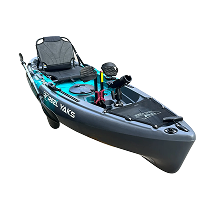
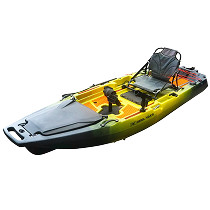
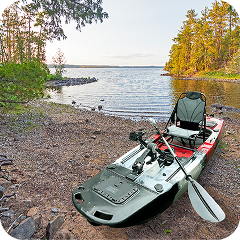
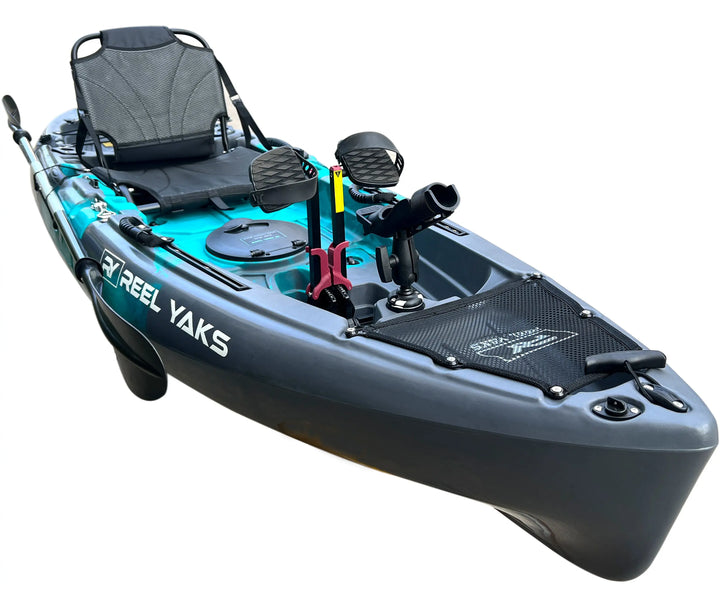
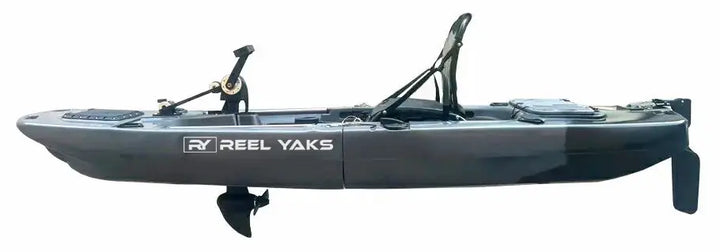
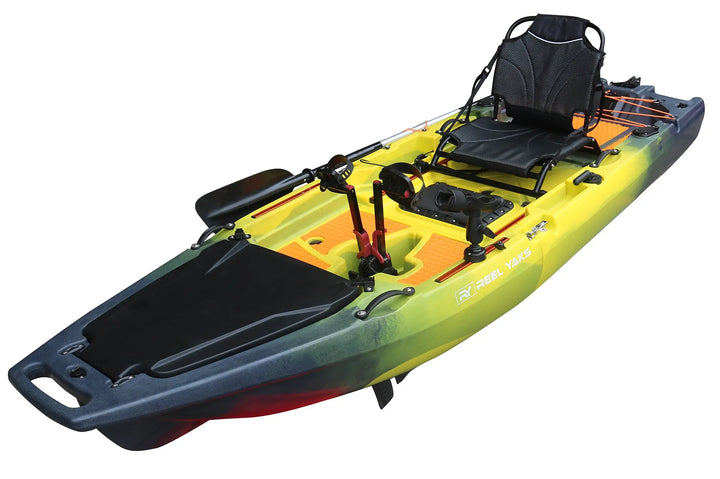
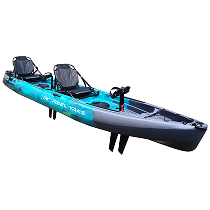
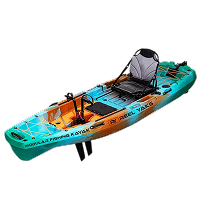
One often-overlooked advantage of fishing from a modular kayak like those from Reel Yaks is the reduced risk profile in cold weather. Traditional 12-foot rigid kayaks are tippy and challenging to re-enter if you go overboard in cold water. The wider, more stable W-hull design of modular kayaks provides better primary stability, reducing your likelihood of capsizing in the first place.
The modular sections also mean you're less likely to be carrying your kayak across icy docks or frozen ground—scenarios where traditional kayaks lead to dangerous slips. Instead, you're moving three 27-51 pound sections separately, maintaining better balance and control even in slippery conditions. In an emergency scenario where you need to self-rescue, the modular design's stability makes it significantly easier to pull yourself back aboard from the water.
Final Thoughts: Don't Cheap Out on Safety
Building out a complete cold water kayak gear list isn't cheap. Between a drysuit, proper gloves, a satellite communicator, and quality dry bags, you're looking at $1,000-1,500 in new equipment. That's a tough pill to swallow, especially if you're only planning to fish cold water a few times per season.
But here's the perspective shift: this isn't consumable gear you replace every year. A quality drysuit lasts a decade with proper care. Neoprene gloves go 3-4 seasons. A Garmin inReach is useful for all your outdoor adventures, not just kayak fishing. Spread that $1,500 investment across ten years and you're paying $150 per season for equipment that might literally save your life.
You don't need to buy everything at once. Prioritize the drysuit and communication device first—those are your genuine safety items. Add gloves and warmers next for comfort. The thermos and extra layers can come later as budget allows. But commit to having the core safety equipment before you push into true cold-water conditions.
The worst cold-water kayak fishing stories all start the same way: "I thought I'd be fine with what I had." Don't be that angler. Check off this cold water kayak gear list before November hits, test your equipment in controlled conditions, and you'll fish safely and comfortably through conditions that send less-prepared anglers to shore.
Fish More. Haul Less. No Roof Rack Required.
Reel Yaks modular pedal fishing kayaks break into 2–3 compact sections that fit in your car boot, store in your apartment, and assemble in 5 minutes — no roof rack, no garage, no heavy lifting. Browse all Reel Yaks modular fishing kayaks →