

You've watched trout rising in the tail-out for twenty minutes. The main current dumps into this slower glide, creating a conveyor belt of food before the water breaks into riffles below. It's late afternoon, the hatch is sparse, and those fish aren't looking up anymore. They've settled into feeding lanes near the bottom, picking off nymphs tumbling through the seam. This is where drift-fishing shines, and your kayak gives you the angle traditional bank anglers can't reach.
Tail-outs are transition zones where fast water loses speed before spilling into the next rapid or riffle section. The slowing current forces trout to work less while still delivering steady food. Late-season fish especially love these spots when water temperatures climb and they need oxygen-rich zones with minimal effort. But fishing them effectively requires precise boat positioning and drift control that separates productive days from frustrating ones.
Reading the Tail-Out Structure
Before you rig up, spend five minutes studying the water. Tail-outs aren't uniform pools. The main current creates defined lanes, usually down the center or along one bank depending on the river's bend upstream. Look for the seam where fast water meets slower edges. That boundary line concentrates food and positions fish predictably.
Trout in tail-outs typically hold in three zones. Aggressive feeders sit right in the main current tongue, closest to incoming food but burning the most energy. Mid-tier fish tuck along the seams where current slows but food still flows. The laziest or most pressured trout drop to the very bottom of the pool where the transition begins, picking off whatever drifts past before the water accelerates again.
Water depth matters for your approach. Shallow tail-outs of two to four feet fish differently than deep holes of six feet or more. In shallow water, trout spook easier and your drift window is shorter. Deep tail-outs let you work longer drifts and multiple angles, but require more weight to get your flies down quickly.
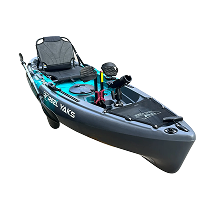
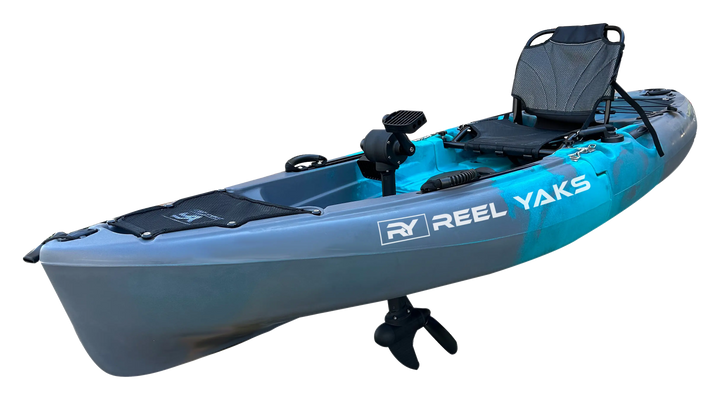
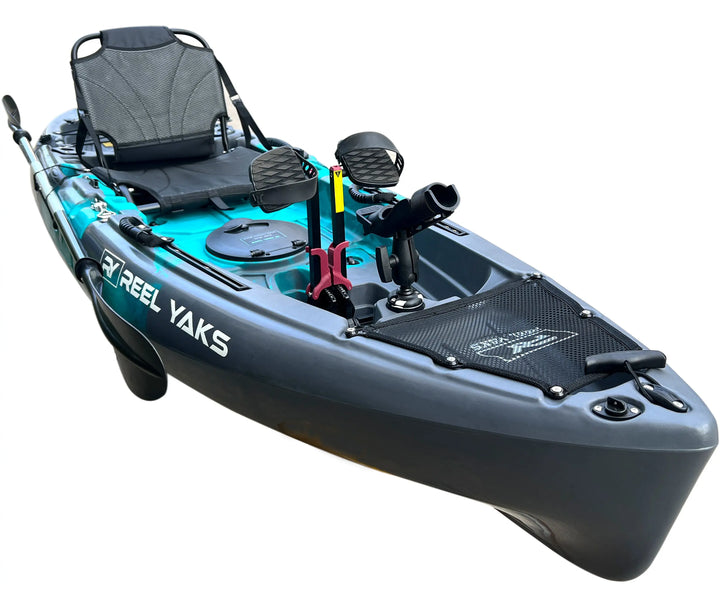
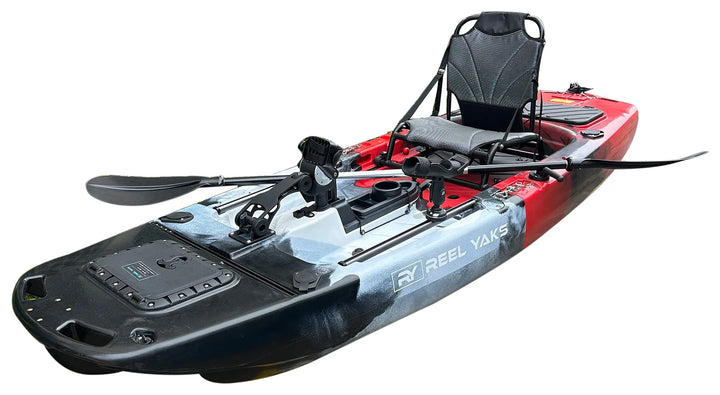
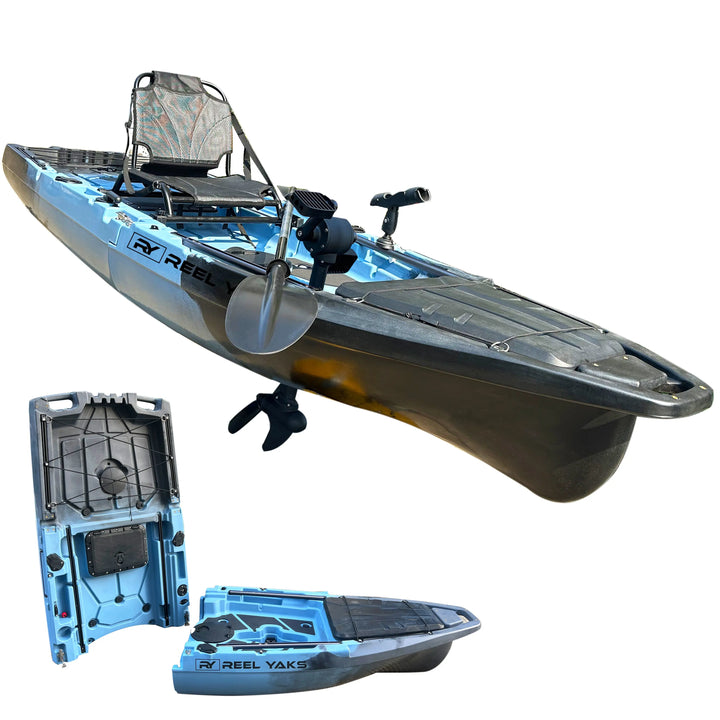
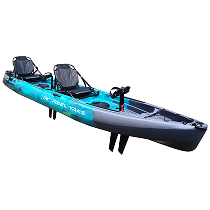
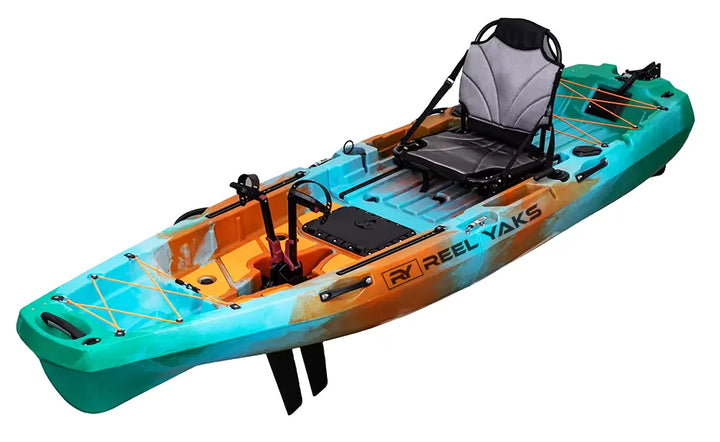
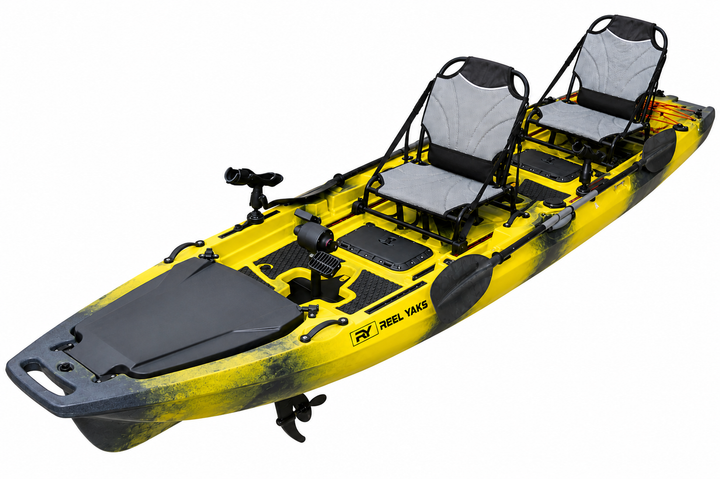
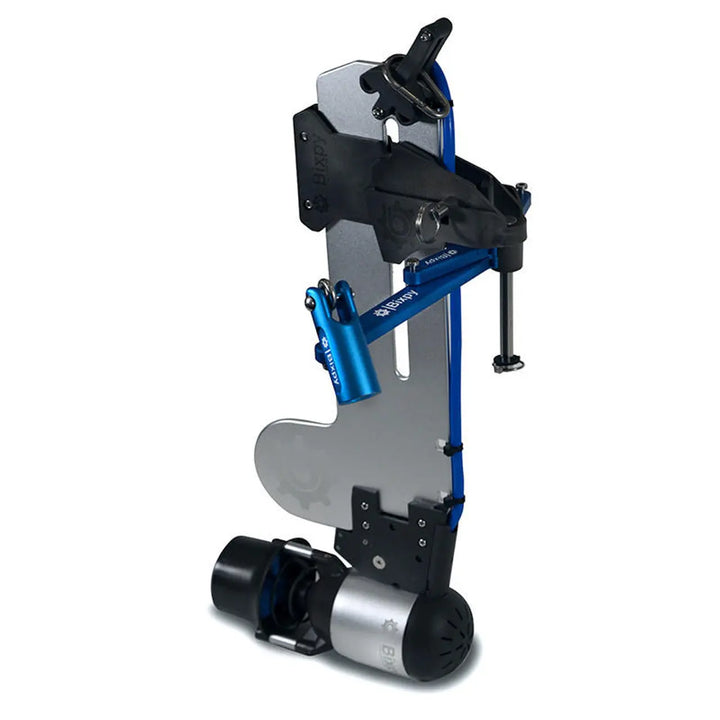
The Radar 10ft Propeller Drive excels in tail-out positioning because you can hold station against moderate current without constantly pedaling, then use instant reverse to adjust your ferry angle when the drift starts swinging.
Rigging Your Indicator Setup for Tail-Outs
Tail-out drifting demands a balanced rig that gets your flies to the bottom quickly but maintains a natural drift speed. Start with your indicator placement. Set it at 1.5 times the water depth for starters. If you're fishing a four-foot tail-out, put your indicator six feet above your top fly. This angle helps your weighted flies reach bottom before drifting out of the feeding zone.
For weight, use split shot or twist-on strips rather than weighted flies alone. You want adjustability. Place your primary weight 12 to 18 inches above your top fly. This concentrates the mass and helps punch through conflicting currents in the water column. If you're fishing two flies, space them 18 to 24 inches apart with your point fly slightly heavier or larger to prevent tangling.
Indicator choice matters more than many anglers realize. Foam strike indicators work in calm water, but tail-outs often have surface chop from the current. Yarn indicators provide better sensitivity in textured water and show subtle takes more reliably. Size your indicator to your total weight—if you're running a lot of shot, you need enough buoyancy to support it without submerging during the drift.
Your leader should be strong enough for your fishing but supple enough to allow your flies to tumble naturally. Most tail-out situations fish well with 4X or 5X tippet. Heavier if you're targeting bigger fish in heavy water, lighter if the pool is clear and fish are pressured. Fluorocarbon sinks faster than nylon monofilament, which helps in deep or fast tail-outs where you need every advantage getting down.
Positioning Your Kayak for the Perfect Drift
This is where kayak fishing separates from wade fishing or bank casting. You can position yourself upstream and across from the feeding lane, achieving a perfect perpendicular drift that's nearly impossible from shore. The technique is called a ferry, and it's the foundation of drift-fishing from a boat.
Start by positioning yourself upstream and to the side of your target seam. If the main current runs down the center, tuck into the slower water on river left or right, about 20 to 30 feet upstream from where you want your drift to start. The goal is to cast slightly upstream and across, then use your pedal drive to hold position or drift backward at the same speed as the current.
As your indicator and flies drift downstream, maintain your kayak's angle so the line stays relatively perpendicular to the current. This is the magic position. It minimizes drag on your line and lets your flies tumble naturally along the bottom. Most trout takes happen when your flies are drifting at exactly the same speed as the surrounding water, neither dragging nor swimming upstream.
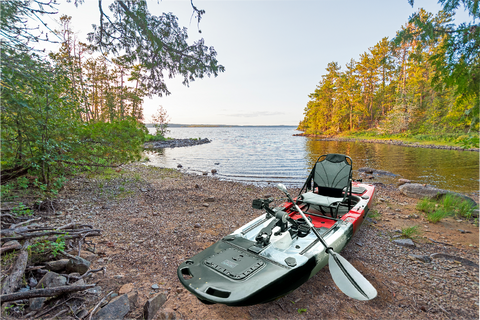
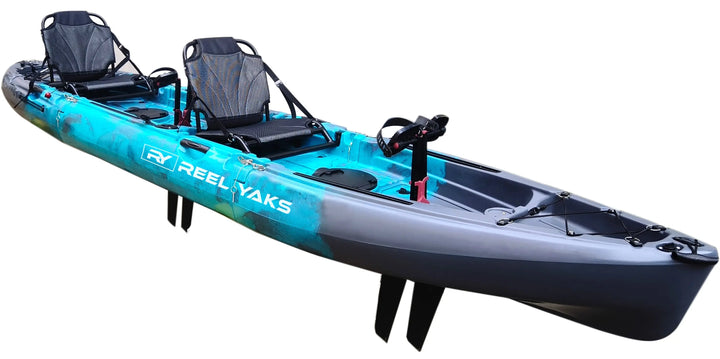
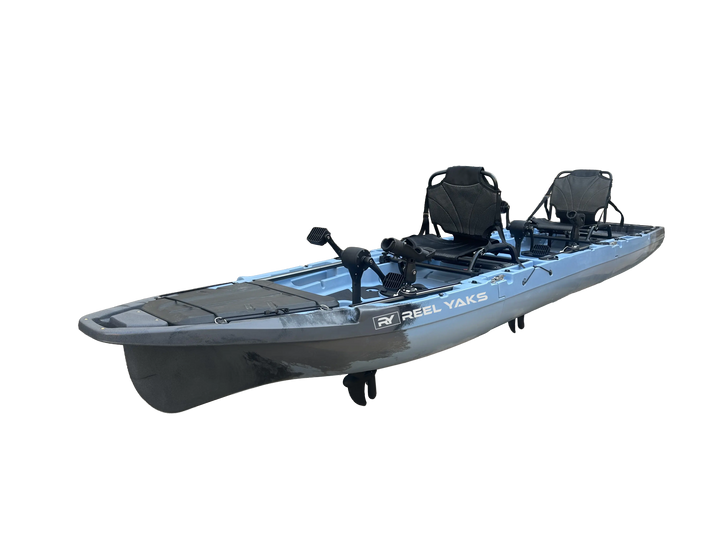
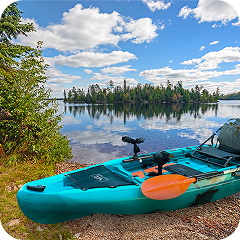
The Recon 10ft Fin Drive handles this ferry position beautifully in calmer tail-outs where you don't need reverse. The quiet fin drive won't spook fish in the clear, slower water below riffles, and you can make micro-adjustments to your drift angle with minimal leg movement.

Mending Technique and Timing
Even with perfect positioning, you'll need to mend your line during the drift. Tail-outs rarely have uniform current across the entire width. The center flows faster than the edges, creating belly in your line that pulls your indicator downstream ahead of your flies. This creates drag, lifting your nymphs off the bottom and ruining the drift.
Execute an upstream mend as soon as you see belly forming in your line. Lift your rod tip smoothly and flip a loop of line upstream, repositioning it without disturbing your indicator or flies. The mend should be subtle—too aggressive and you'll yank everything out of position. Think of it as placing the line rather than throwing it.
Timing your mend is critical. Mend too early and you create slack that makes strike detection harder. Mend too late and the drag is already pulling your flies unnaturally. Watch your indicator constantly. The moment it starts accelerating ahead of its natural drift speed, that's your cue to mend. In faster tail-outs, you might mend two or three times during a single drift.
Some anglers use a high-stick technique, holding the rod tip high and tracking downstream with the indicator to minimize line on the water. This works exceptionally well from a kayak because you're low to the water and can extend your reach without standing. Keep the rod tip up, follow the drift, and feed line as needed to extend your coverage.
Weight Adjustment for Different Current Speeds
Getting your flies to the trout's level is non-negotiable. Too much weight and your rig drags bottom, snagging constantly. Too little and your flies drift overhead while fish ignore them. The correct weight rides just off the bottom, occasionally ticking rocks as it tumbles through.
Start conservative and add weight incrementally. Begin with one medium split shot and make a few drifts. If your indicator never pauses, hesitates, or dips—all signs your flies are touching bottom—add another small shot. Continue this process until you're getting occasional bottom contact every few drifts.
Different sections of the same tail-out often need different weights. The head of the pool where the main current dumps in requires more weight to punch down through the turbulence. The middle section might fish well with moderate weight. The tail section where water slows before the next riffle might need less weight or a longer indicator-to-fly distance to avoid drag.
Environmental factors change weight needs throughout the day. Rising water from afternoon snowmelt or upstream rain means more weight. Dropping flows in late evening mean less. Water temperature affects density slightly—colder water is denser and may require marginally more weight, though this is a minor factor compared to flow rate.
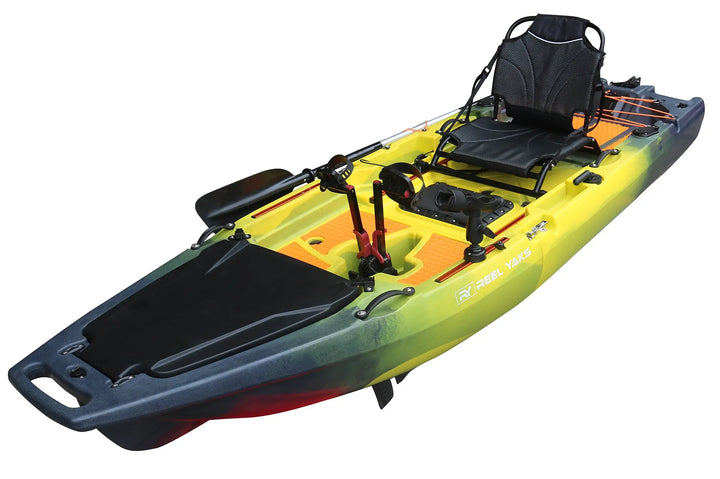
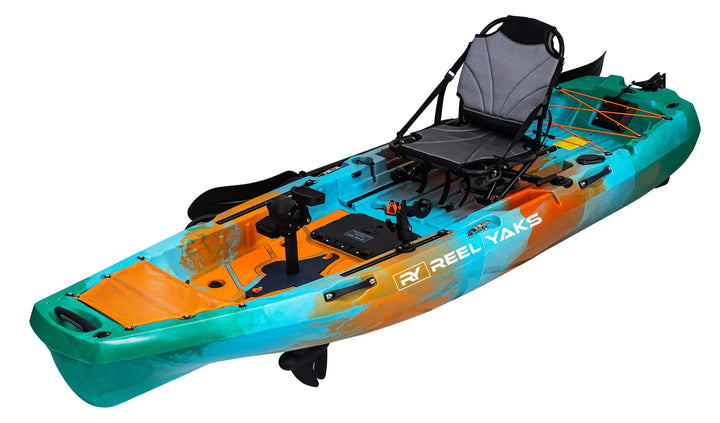
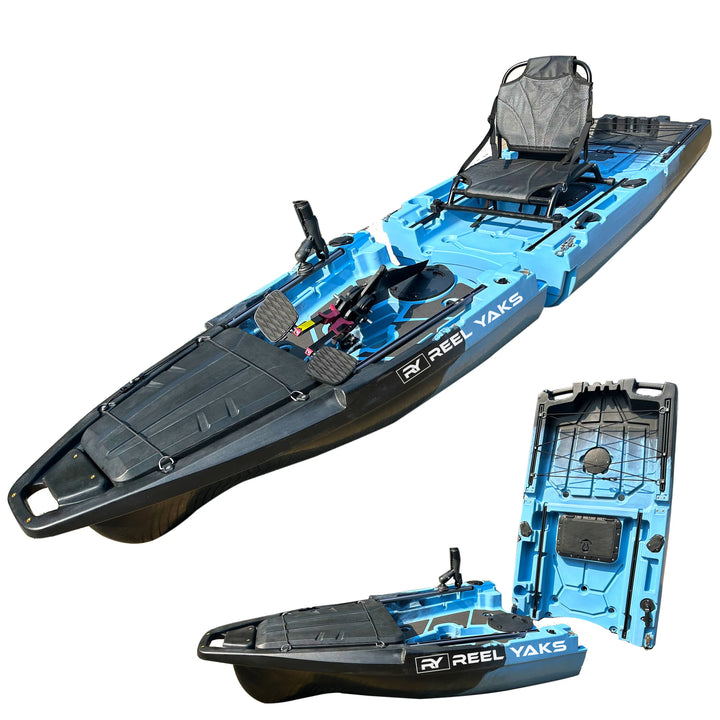
Keep split shot in multiple sizes accessible in your kayak. The Raptor 9.5ft has sufficient gear storage in the bow and stern sections to organize your terminal tackle where you can reach it without shifting around in the seat.
Strike Detection and Hook Setting
Tail-out strikes can be subtle. Trout in slower water don't always slam your flies like they do in pocket water. Watch your indicator for three types of signals. First, the obvious dip or plunge means a fish took your fly and pulled the indicator under. Set the hook immediately with a smooth lift of the rod—not a violent jerk that might pull the fly out or break light tippet.
Second, watch for hesitation. If your indicator pauses mid-drift or stops moving downstream for even a split second, set the hook. This often indicates a fish grabbed your fly but hasn't moved yet, or your fly lodged in its mouth as it turned. Many of your best fish will come on these hesitation strikes.
Third, look for lateral movement. If your indicator drifts downstream but suddenly moves sideways—left, right, or upstream—that's almost always a fish. Trout take flies and turn, creating movement against the current direction. Set the hook on any unnatural indicator motion.
Your hook set should be firm but not aggressive. Because you're fishing from a low platform (the kayak seat), you don't need a massive sweep. Raise the rod tip smoothly to about 11 o'clock and feel for weight. If you feel nothing, let your rig settle and continue the drift. If you feel resistance, keep steady pressure and work the fish from your seated position.
Working Multiple Drift Angles
Once you've dialed in your rig and covered the obvious feeding lane with your cross-current drift, don't just repeat the same presentation. Trout in tail-outs often stage at different depths and angles depending on the specific topography of the pool bottom. Work your drift from multiple positions to find where fish are actively feeding.
After thoroughly covering the main seam with cross-current drifts, reposition downstream and drift back upstream if current allows. This shows fish a different fly angle and can trigger strikes from trout that ignored the downstream presentation. Some tail-outs have back eddies along the edges where current actually flows upstream along the bank—these are gold for upstream presentations.
Try drifting tight to structure if present. Boulders, submerged logs, or undercut banks in tail-outs concentrate fish. Position your kayak to drift your flies within inches of these features. The best trout often hold in the smallest pockets of ideal habitat, and precision drifting separates them from other anglers who work only the main current.
Vary your retrieve speed after the drift if you're fishing nymphs that can be swung. As your indicator reaches the end of its drift and begins to swing across current, let it. Don't immediately pick up and recast. Some of the most aggressive strikes happen during the swing as your flies lift in the water column, imitating emerging insects or fleeing prey.
Kayak Advantages in Tail-Out Fishing
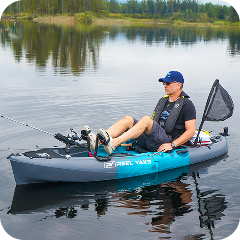
Fishing tail-outs from a pedal kayak provides specific advantages over wading or fishing from the bank. Your mobility lets you cover more water efficiently. When fishing slows in one tail-out, you can pedal to the next without the exhausting hike that wade anglers face. This matters during late-season fishing when you're chasing actively feeding windows that may only last an hour.
Your low profile to the water surface makes you less visible to trout than a standing angler. Fish in clear tail-outs can be spooky, especially late in the season after months of fishing pressure. The kayak's low silhouette helps you approach closer without spooking fish, extending your effective casting range.
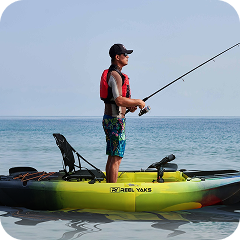
The hands-free aspect of pedal drive fishing changes your capability during the drift. Both hands stay on your rod for mending, adjusting, and strike detection. You're not managing oars, anchors, or trying to hold position with a paddle while simultaneously managing your drift. This makes you more efficient and helps you detect and convert more strikes.
You can fish tail-outs that wade anglers simply can't reach. Deep pools, sections with unstable wading, or areas requiring long casts from awkward bank positions become accessible. Your casting angle from the kayak often provides better drift geometry than even the best bank position.
Fly Selection for Tail-Out Trout
Late-season trout in tail-outs respond to flies that match the dominant food source in your specific river system, but some patterns consistently produce. For your top fly, consider attractor patterns that show up well in deeper or off-color water—copper johns, prince nymphs, or flashback pheasant tails in sizes 12 to 16.
Your point fly should be smaller and more imitative. Trout that refuse the larger top fly often take the smaller trailer. Zebra midges in sizes 18 to 20 work year-round in most systems. Small mayfly nymphs like hare's ears or blue-winged olive nymphs match common food sources. During late season, don't overlook caddis larva patterns in sizes 14 to 18—they're available to trout even when no adult hatch is happening.
Color matters more in some water than others. In clear tail-outs, natural colors like browns, olives, and blacks typically outperform bright attractors. In stained water after rain or during snowmelt, add some flash or brightness—pink, chartreuse, or red hot spots can make the difference between fish seeing your flies and missing them entirely.
Weight your flies appropriately for the rig. If you're using external split shot, your flies can be unweighted or lightly weighted. This often produces a more natural drift. If you prefer minimal external weight, use heavily weighted flies like tungsten-beaded patterns. There's no right answer—experiment until you find what produces consistent bottom contact without constant snagging.
Reading and Reacting to Fish Behavior
Successful tail-out fishing requires observation between casts. If you're getting takes but not hooking fish, your flies might be too large, your tippet too heavy, or your drift developing micro-drag you're not seeing. Try downsizing one fly size or lengthening your tippet by six inches before changing locations.
If you're marking bottom consistently but getting zero takes after twenty quality drifts, the fish either aren't there or aren't feeding. Before abandoning the spot, try changing your fly depth. Move your indicator up 6 to 12 inches to run your flies slightly higher in the water column. Sometimes trout suspend just off bottom rather than holding tight to it, especially during midge hatches or when feeding on emerging caddis.
Wind affects tail-out fishing more than you might expect from a kayak. Strong upstream wind can help by pushing your line and creating upstream mends naturally, extending your drag-free drift. Downstream wind creates instant belly in your line and requires aggressive mending. Cross-wind needs constant adjustment to your ferry angle to maintain good drift geometry.
Time your fishing sessions to match peak feeding windows. Late-season trout in tail-outs often feed most actively during low-light periods—early morning before sunrise, late evening as light fades, or overcast days when heavy cloud cover reduces light penetration. Midday can be productive in fall and winter when water temperatures are coldest and afternoon sun warms the water slightly, triggering insect activity and feeding.
Safety Considerations When Drifting Tail-Outs
Always scout the water downstream of any tail-out before you start fishing. Know what's below you—a gentle riffle you can easily paddle through, or a serious rapid that requires portaging. The transition from tail-out to the next riffle can be deceptively quick, and focused anglers sometimes drift too far while following a good seam.
Maintain awareness of your position relative to the tailout's exit. Set a mental boundary—perhaps a specific rock or tree on the bank—and don't drift below it. When you reach that point, pedal upstream to reset your position rather than risking unexpected fast water. The propeller drive models like the Radar 10ft Propeller Drive make upstream repositioning easier with instant reverse to back out of your drift before pedaling upstream.
Wear your PFD always, even in calm tail-outs. Water conditions change, and the section below the tail-out might be rougher than the pool itself. Keep a paddle tethered within reach as backup to your pedal drive. If you need to make an emergency exit from a drift gone wrong, your hands on the paddle are faster than engaging your pedal drive.
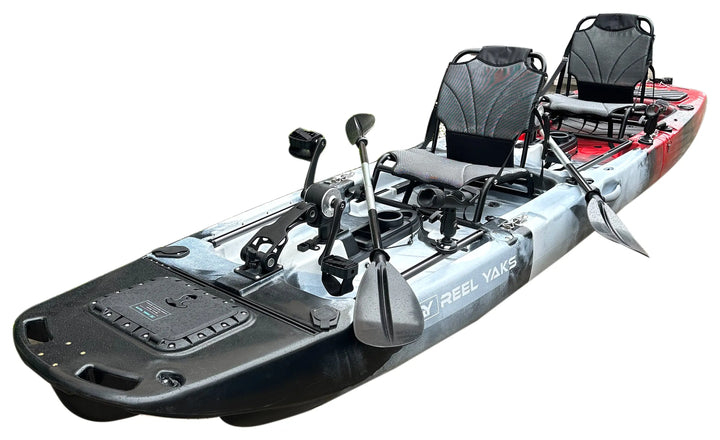
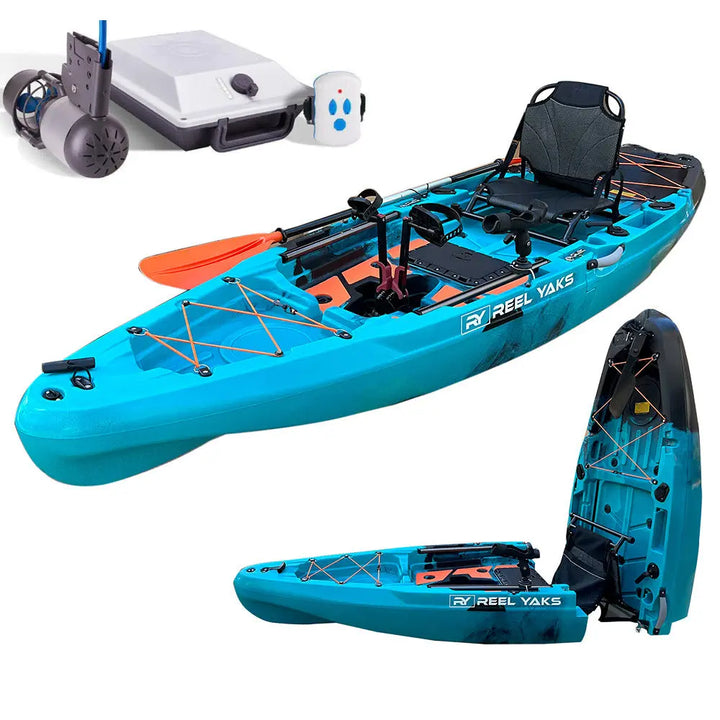
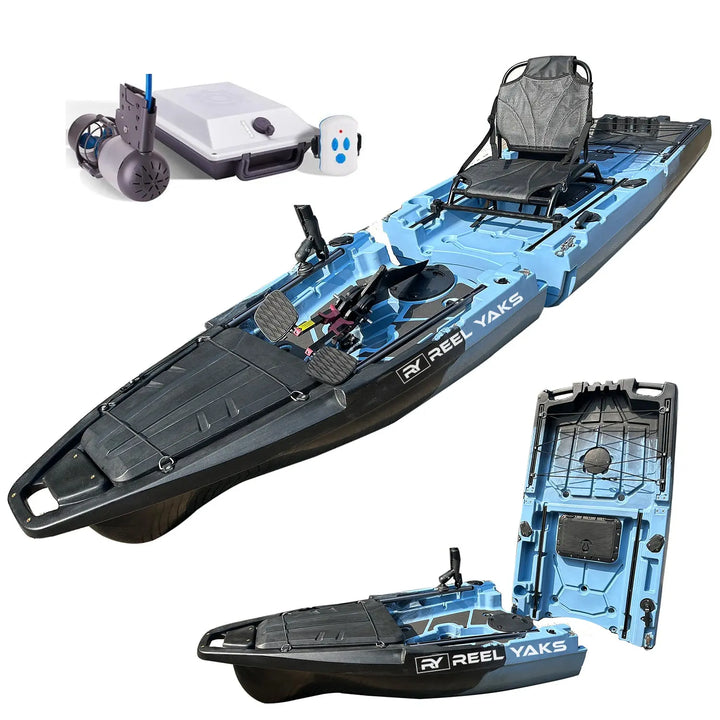
Cold water demands extra caution during late-season fishing. Hypothermia risk increases significantly in fall and winter. Dress in layers, keep spare dry clothes in a waterproof bag, and don't fish alone if possible. The modular design of Reel Yaks kayaks means you can store emergency gear in multiple compartments, keeping it organized and accessible.
Tail-out drift fishing from a pedal kayak combines the precision of technical fly fishing with the advantages of mobile watercraft. Master your ferry position, dial in your indicator rig, time your mends correctly, and you'll consistently catch trout that other anglers struggle to reach. The tail-out is where patient, methodical anglers outfish those chasing rising fish in the riffles above. Put in the time to refine these techniques, and you'll find yourself landing fish throughout the day while bank anglers wonder what you're doing differently.


