
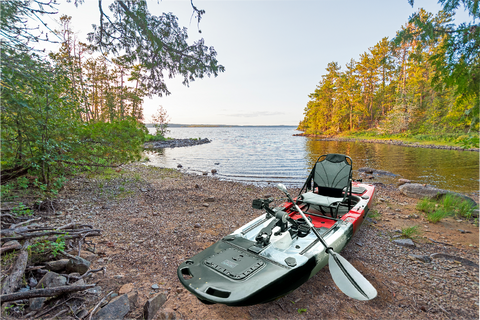

You finally have a free Saturday morning in January. The lake's calm, the fish are biting, and you're ready to go. But your traditional kayak is strapped to the roof rack under three inches of ice, the buckles are frozen solid, and you're standing in your driveway wondering if this fishing trip is worth frostbite.
Winter kayak fishing shouldn't require an engineering degree and numb fingers before you even hit the water. Modular kayaks eliminate most of cold-weather paddling's biggest frustrations, and after spending two winters testing sections in sub-freezing conditions, I've learned they're not just convenient in winter—they're genuinely superior.
Here are ten reasons a modular kayak beats a regular kayak when temperatures drop.
1. Store Your Kayak Sections in Heated Space
Traditional one-piece kayaks live outside or in unheated garages because they're too long for most indoor spaces. That means dealing with frozen condensation, ice buildup in hatches, and brittle plastic on below-freezing mornings.
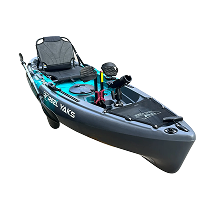
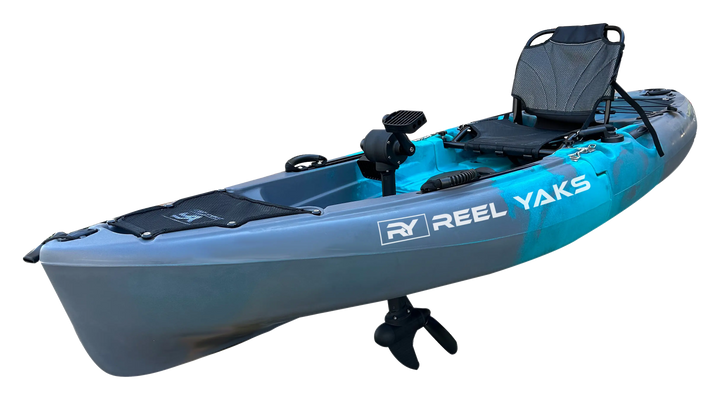
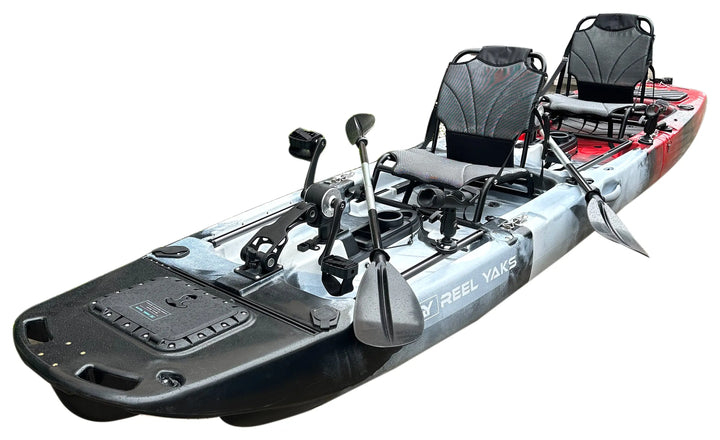
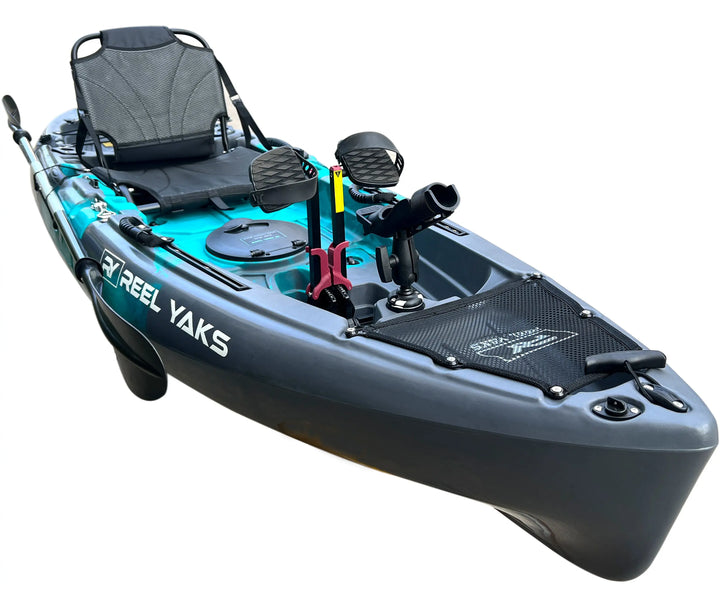
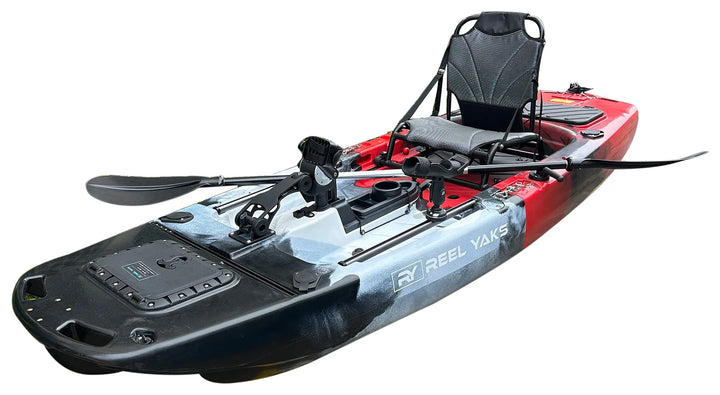
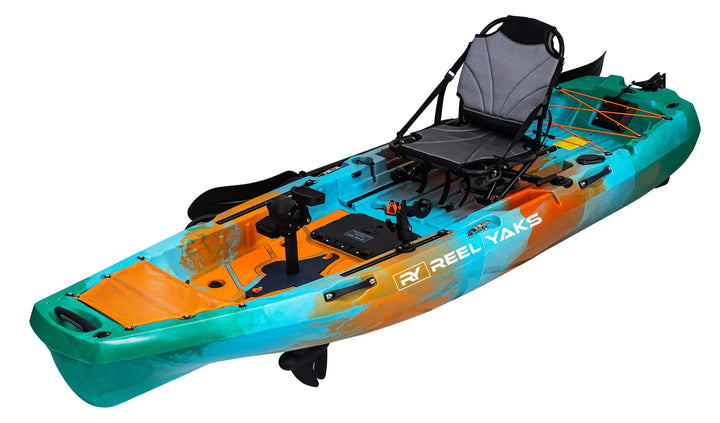
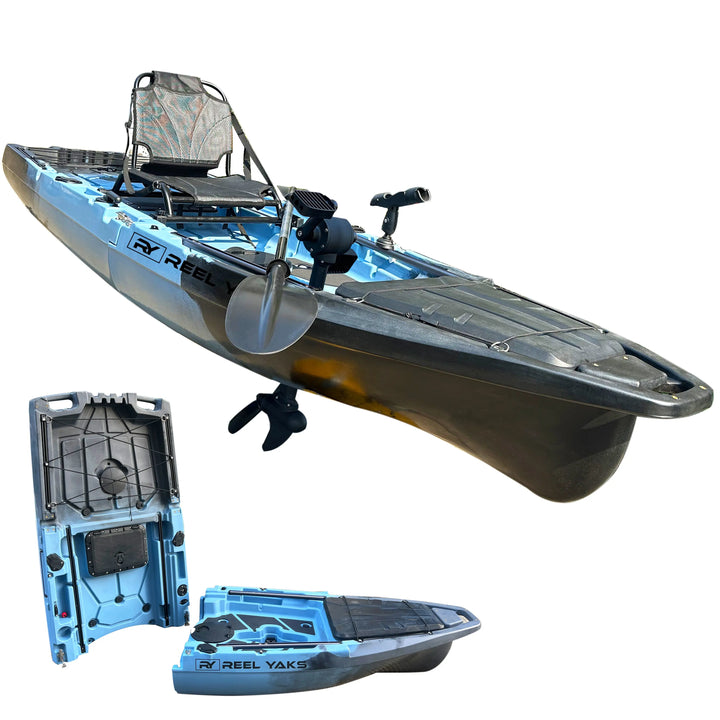
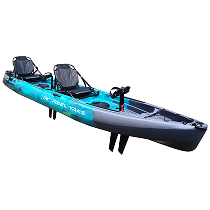
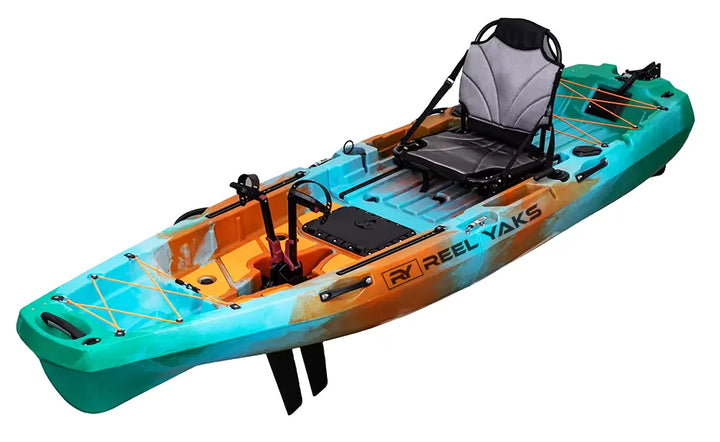
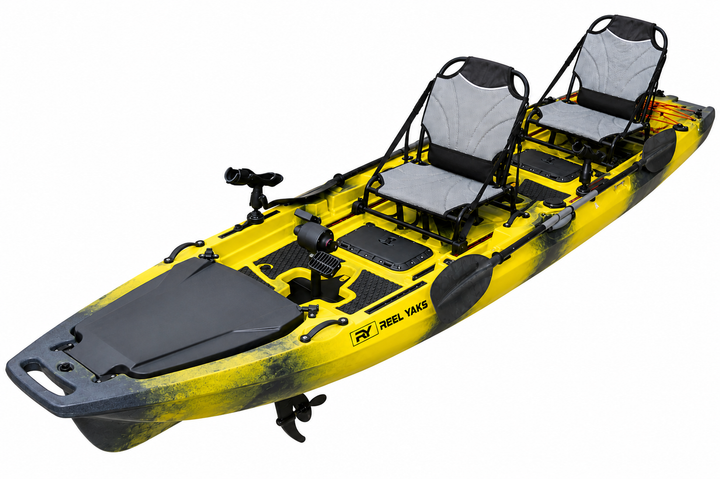
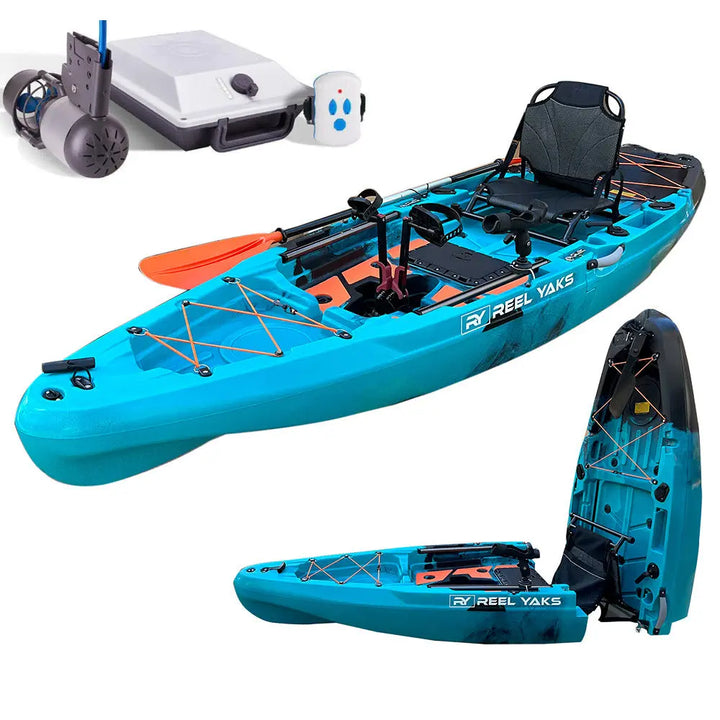
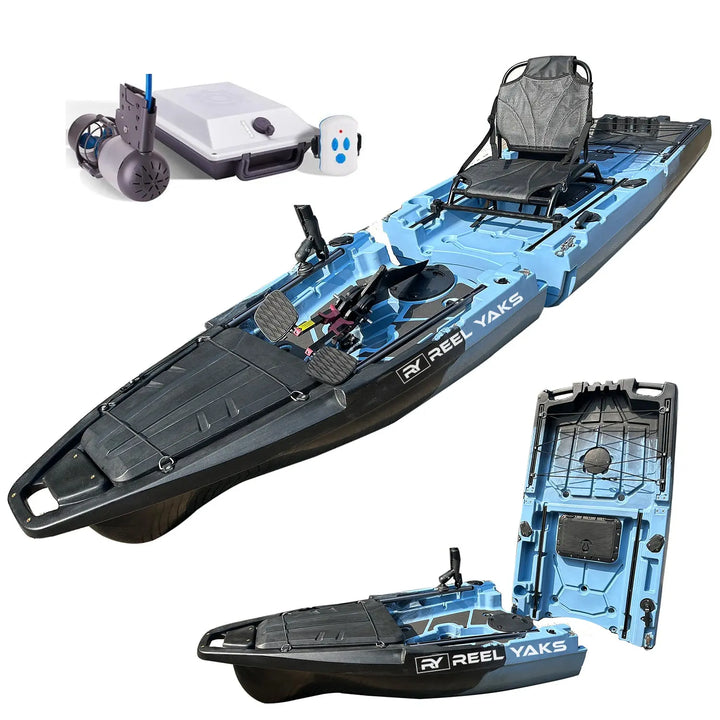
Modular kayak sections fit in closets, basements, and heated garages. The Raptor 9.5ft breaks into two 4.75-foot sections that slide behind a water heater or stand upright in a coat closet. Your gear stays dry, your pedal drive doesn't freeze, and everything's room temperature when you're ready to fish.
I keep my sections in a finished basement. While my neighbor spends twenty minutes chipping ice off his hatch covers, I'm carrying warm, dry sections to my truck. By the time he's loaded, I'm already at the launch.
2. No Frozen Roof Rack Wrestling
If you've ever tried to unbuckle a cam strap at 6 AM when it's 15 degrees outside, you know the struggle. Ice locks the buckles. Nylon straps become stiff cables. Your cradles are welded to the crossbars with frozen condensation. And you're doing all this while holding a 65-pound kayak overhead.
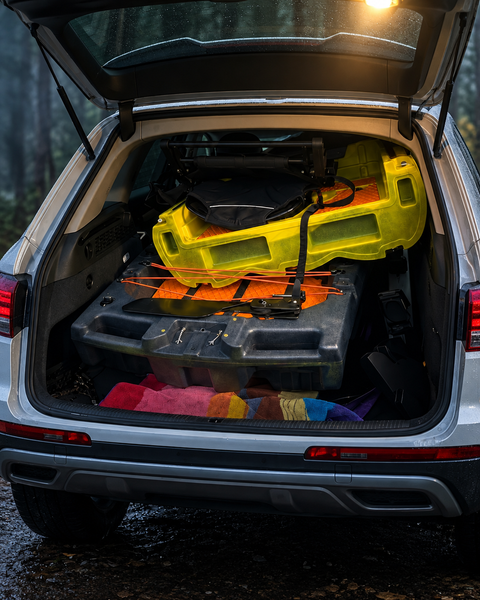
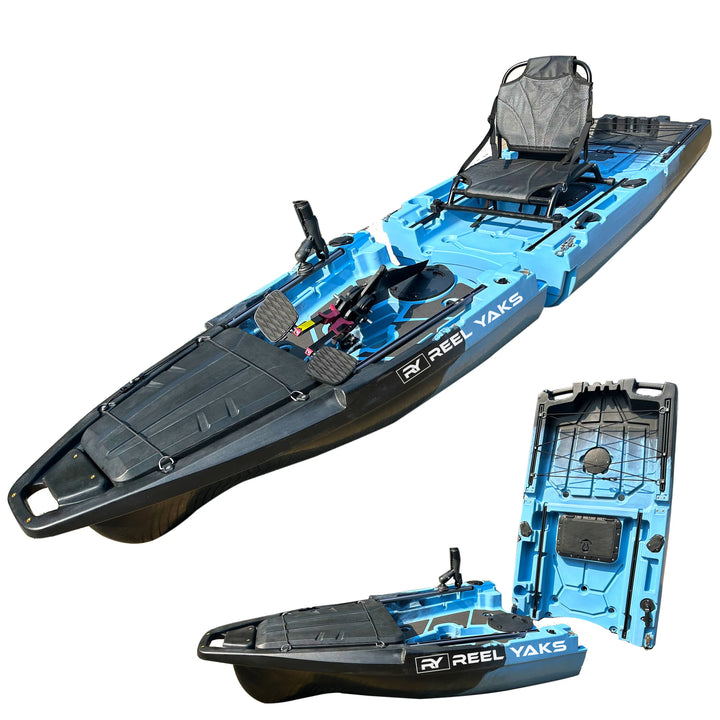
Modular sections eliminate roof racks entirely for most anglers. Each Reel Yaks section weighs between 27 and 51 pounds—light enough to lift into a trunk, back seat, or truck bed with cold hands and bulky gloves. No ladder required. No overhead gymnastics. No frozen metal touching bare skin.
The Honda Odyssey fits a full 10-footer with the third row down. A Toyota RAV4 handles most models with rear seats folded. You're loading at waist height in a few minutes, not fighting ice and gravity.
3. Indoor Assembly When It's Really Cold
Sub-zero mornings happen. When wind chill hits dangerous territory, assembling a modular kayak in your garage beats standing at the water's edge trying to rig a traditional boat with numb fingers.
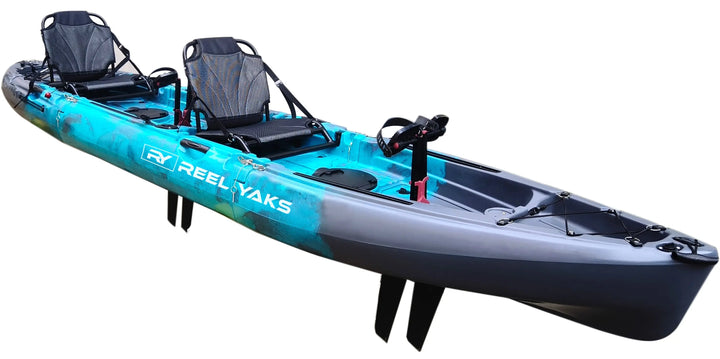
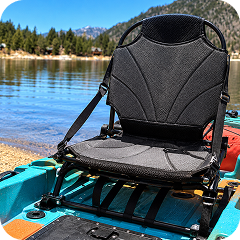
Reel Yaks sections connect in under five minutes without tools. Click the cam locks, insert the pedal drive, secure the seat. Do it all in heated comfort, then transport the assembled kayak in a truck bed or on a simple foam block setup. Some anglers with enclosed trailers assemble at home and drive fully rigged.
Compare that to rigging a traditional kayak at the launch: attaching rod holders with frozen screws, threading anchor trolleys with stiff rope, installing electronics in gloves thick enough to prevent frostbite. Modular design lets you do the detail work somewhere warm.

4. Easier Vehicle Access With Bulky Clothing
Winter layers—insulated bibs, thick coats, neoprene gloves—restrict your range of motion. Lifting a 70-pound kayak overhead while wearing all that becomes genuinely difficult and dangerous.
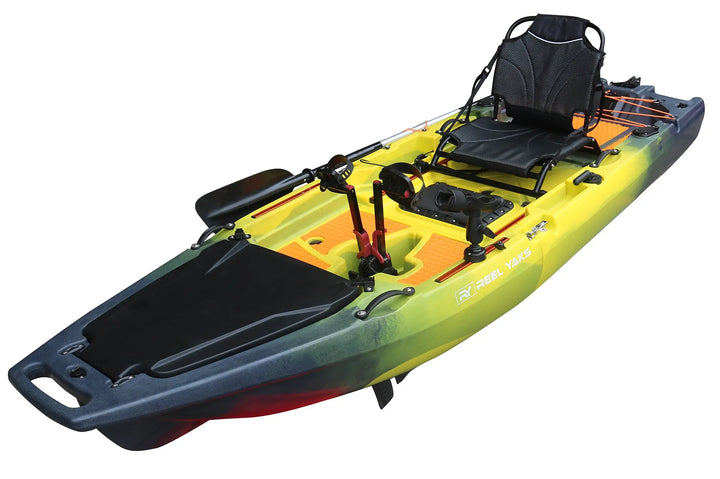
Modular sections require less mobility. You're not hoisting weight above your shoulders or contorting to reach roof rack towers. A simple waist-to-shoulder lift into an SUV cargo area works fine, even in heavy winter gear. The Radar 10ft stern section weighs 46 pounds—manageable in bulky clothing. The bow section at 32 pounds practically loads itself.
I've loaded my kayak wearing a full float suit and pack boots. Try doing that with a traditional 12-footer on roof racks, and you'll understand why modular matters in winter.
5. Quick Escape If Weather Turns
Winter weather changes fast. What starts as calm and sunny can turn into sleet and 30-mph winds in an hour. When you need to get off the water right now, speed matters.
Breaking down a modular kayak takes three minutes: pop the cam locks, separate the sections, throw them in your vehicle. You're not fighting straps, adjusting cradles, or lifting a full-length hull in gusting wind. The Raptor 9.5ft goes from water to trunk in the time it takes to load your rods.
Traditional kayaks require the full loading process regardless of conditions. I've watched anglers struggle with bow straps while their kayak acts like a sail in the wind. Modular sections don't catch wind the same way—you're controlling smaller, more manageable pieces.
6. Easier Winter Maintenance and Inspection
Ice, road salt, and sub-freezing temperatures are hard on kayaks. You should rinse after every winter trip, inspect drain plugs for ice damage, and check that water hasn't frozen in hull compartments.
With a traditional one-piece kayak stored outside, this maintenance often gets skipped because it's miserable work in the cold. Modular sections stored indoors make inspection easy. Bring them inside, let them warm up, and check everything in comfort.
I inspect my sections in the basement after each trip. The rotomolded polyethylene hull is the same material as traditional kayaks—proven cold-weather durability—but I can spot wear, check scupper plugs, and rinse out compartments without freezing. Small issues get caught before they become failures on the ice.
7. Test Ice Conditions Without Full Commitment
Early winter and late-season ice fishing overlap with open-water opportunities. You might launch in areas with partial ice coverage, testing conditions before committing to a full day.
Modular kayaks let you bring just what you need. Scout with a single section if you're unsure about access. I've carried one section down steep, icy launches to verify conditions before returning for the second half. Can't do that with a 12-foot rigid kayak.
Some anglers keep one section in their truck year-round for spontaneous trips. If you're driving past a lake and conditions look perfect, you've got half a kayak ready. Add the second section next time if the spot proves productive.
8. Warm-Up Breaks Are Easier
Smart winter anglers take regular warm-up breaks—back to the truck, change gloves, drink hot coffee, let your core temperature recover. The easier this process, the more likely you'll actually do it.
Modular kayaks load and unload so quickly that mid-day breaks don't feel like a production. Take a two-hour morning session, load up, warm up at the truck, then reassemble for an afternoon bite. The barrier to multiple trips is lower when setup takes five minutes instead of twenty.
Traditional kayaks often stay on the roof all day because nobody wants to reload. You end up pushing through cold stress instead of taking breaks. Modular design removes that friction.
9. Easier to Rinse Road Salt
Road salt is everywhere in winter—on your vehicle, on launch ramps, splashed on kayaks during transport. It's corrosive to metal hardware and can degrade plastic over time if left to accumulate.
Rinsing a 12-foot kayak in winter means either a heated garage with floor drains or suffering outside with a frozen hose. Most people skip it. Modular sections rinse in a bathtub, utility sink, or shower stall. I rinse mine in a basement wash sink—hot water, proper drainage, no frozen fingers.
The cam lock system gets the same treatment. Pop them open, rinse out any salt or grit, dry thoroughly. Takes five minutes total. Your kayak stays in better condition, and hardware that moves freely in winter prevents those frustrating morning failures.
10. Winter Motor Bundles Make More Sense
Pedal drives work in winter, but cold legs fatigue faster. Electric motors shine in winter conditions—less physical exertion, better heat conservation, easier gear management with thick gloves.
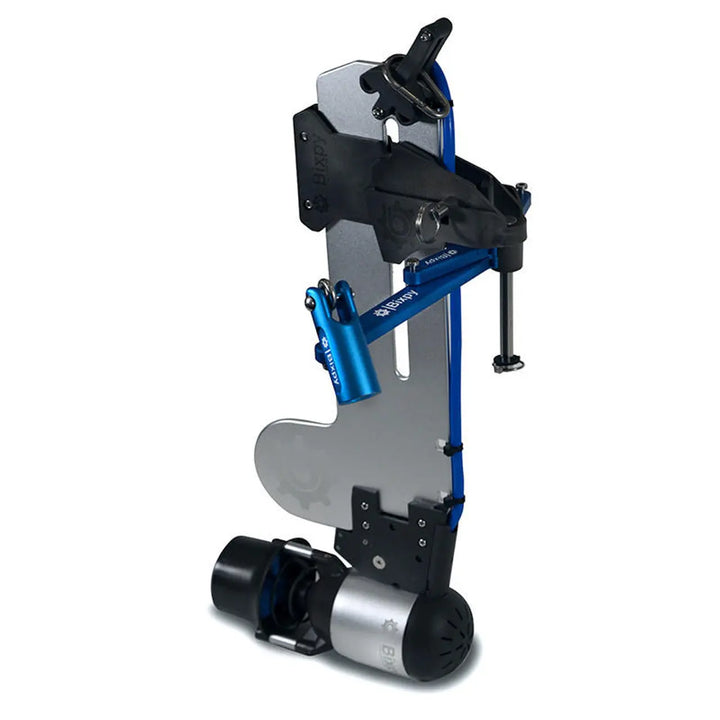
The Recon 10ft Bixpy motor bundle pairs perfectly with modular advantages. Store the motor indoors so the battery stays warm (lithium batteries lose significant capacity below freezing). Attach it at home in heated comfort. The motor's USB-C charging means no garage outlet needed—charge it on your kitchen counter.
Traditional kayak motor installs often require drilling and permanent mounting. That's fine in summer, but winter means taking the motor off after every trip to prevent freeze damage. The Bixpy system attaches to any Reel Yaks model without drilling—mount it warm, remove it warm, store it warm. The modular kayak's indoor storage matches perfectly with temperature-sensitive electronics.
I've run the Bixpy in 25-degree weather with zero issues because I pre-warmed the battery indoors. Launch with a full charge, motor across the lake instead of pedaling in heavy boots, and return with energy left for the drive home.
The Bottom Line on Modular Kayaks in Winter
Winter kayak fishing is incredible—no crowds, aggressive fish, beautiful conditions—but only if your gear doesn't fight you every step of the way. Traditional one-piece kayaks create friction at every stage: frozen storage, overhead loading, icy roof racks, difficult maintenance, cold assembly.
Modular design eliminates that friction. Indoor storage keeps everything warm and ready. Quick loading means less time in the cold. Tool-free assembly works with heavy gloves. The result is more fishing and less suffering, which means you'll actually go instead of talking yourself out of trips.
I've fished both systems through two full winters. The modular kayak wins on every practical measure. The hull performs identically on the water—same rotomolded polyethylene, same W-hull stability, same pedal efficiency. But getting to and from the water is incomparably better when you're carrying 40-pound sections instead of wrestling a frozen 70-pound plank.
If you've been putting off winter kayak fishing because the logistics seem miserable, modular changes the equation. It's not just easier—it's actually enjoyable, which is the whole point of fishing in the first place.


